
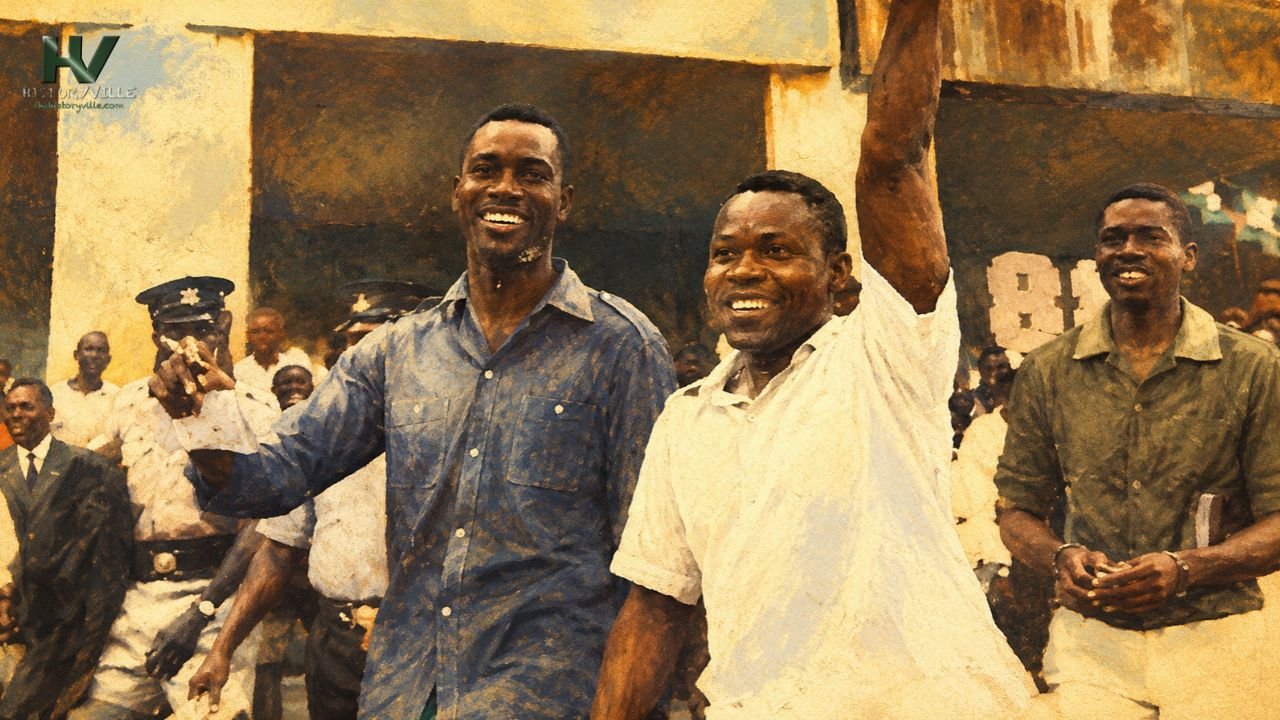

When we talk about secessionist movements in Nigeria, the Biafran War often comes to mind. However, long before Chukwuemeka Odumegwu Ojukwu declared the Republic of Biafra in 1967, Isaac Jasper Adaka Boro had already attempted to break away from Nigeria the year before.
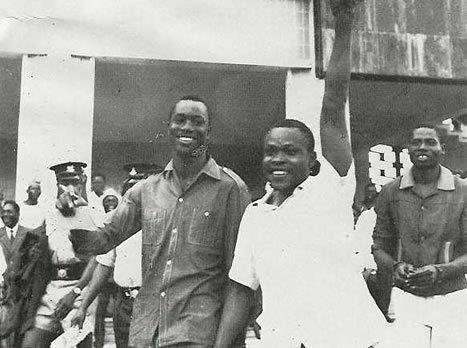
His bold but short-lived 12-Day Revolution in February 1966 was Nigeria’s first recorded secessionist rebellion.
But what led to this audacious move? What happened during those 12 days? And why did Boro, a man so passionate about Niger Delta independence, later fight on the side of the Nigerian government during the Civil War?
The Roots of the Rebellion
Nigeria, in the 1960s, was a newly independent nation grappling with internal divisions, ethnic rivalries, and political instability. The country’s federal structure, inherited from British colonial rule, largely favoured the dominant ethnic groups: the Hausa and Fulani in the North, the Yoruba in the West, and the Igbo in the East. The Niger Delta, home to minority ethnic groups such as the Ijaw, was often overlooked in national politics despite being rich in natural resources, particularly crude oil.
Oil exploration in the Niger Delta had begun in the 1950s, and by the early 1960s, it had become a key revenue source for Nigeria. However, the local communities reaped little benefit from the industry. Instead, they faced environmental degradation, loss of traditional livelihoods, and neglect from both the federal and regional governments. This economic and political marginalisation fuelled resentment among the people of the Niger Delta, particularly among young, educated activists like Isaac Jasper Adaka Boro.

Born on September 10, 1938, Adaka Boro was a charismatic and outspoken figure who had become a student activist while studying at the University of Nigeria, Nsukka. He was deeply concerned about the plight of his people and the exploitation of their land. After leaving university, he joined the Nigeria Police Force, but he soon resigned.
Adaka Boro believed the Niger Delta had no future within the country after Nigeria’s first military coup on January 15, 1966. After resigning from the police force, he gathered a group of loyal followers and formed the Niger Delta Volunteer Force (NDVF), Nigeria’s first armed militia, with the aim of liberating the region from federal control.
On February 23, 1966, Isaac Adaka Boro declared the Republic of the Niger Delta, proclaiming independence from Nigeria. His mission? To establish a sovereign nation where the resources of the Niger Delta would benefit its people, not the federal military government or foreign oil companies.
The 12 Days of Fire and Resistance
Following Isaac Adaka Boro’s declaration, his NDVF launched attacks on Nigerian police and military installations in the Niger Delta, hoping to spark a mass uprising. His forces, reportedly numbering about 150 men, were poorly equipped but fiercely determined. Their guerrilla tactics caught local authorities off guard, and for a short while, Boro’s movement gained momentum.
However, Nigeria’s military government, led by Major-General Johnson Aguiyi-Ironsi, quickly moved to suppress the rebellion. Within days, federal troops were deployed to the region. The NDVF fought bravely, but they were no match for Nigeria’s well-armed soldiers.
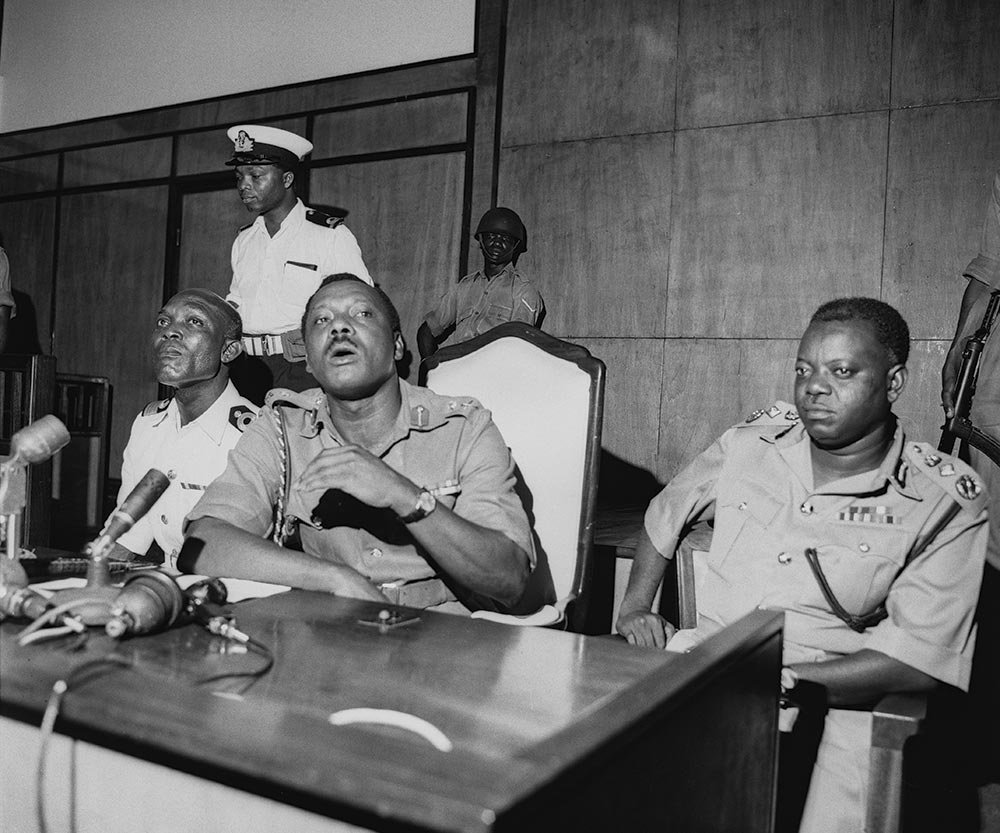
By March 7, 1966, just 12 days after the rebellion began, Adaka Boro and his men were overwhelmed, captured, and taken into custody. The Republic of the Niger Delta was crushed before it could gain any international recognition.
Following their capture, Boro and his comrades were charged with treason and sentenced to death. However, the political situation in Nigeria was rapidly changing. In July 1966, a counter-coup led by Northern officers in the Nigerian Army eliminated General Aguiyi-Ironsi, subsequently leading to the emergence of Lieutenant-Colonel Yakubu Gowon as the new Head of State.
With tensions between the federal government and the Eastern Region (led by Lieutenant-Colonel Chukwuemeka Odumegwu Ojukwu) rising, Gowon saw the Niger Delta as a key battleground in the looming civil war. Understanding Boro’s influence in the region, Gowon granted him amnesty in 1967 and enlisted him in the Nigerian Army as a Major.
Ironically, the same man who once fought to secede from Nigeria now led federal troops against Biafra in the Civil War. Isaac Adaka Boro played a crucial role in helping Nigeria recapture oil-rich territories that had fallen under Biafran control.
Did the Northern Leaders Sponsor Adaka Boro?
There have been speculations that Northern leaders may have had an interest in Isaac Adaka Boro’s rebellion, but there is no concrete historical evidence to prove they directly sponsored him. The timing of his revolt, coming just weeks after the January 1966 coup, which saw the assassination of key Northern leaders such as Sirs Ahmadu Bello and Abubakar Tafawa Balewa, has led some to suggest that his actions may have indirectly served Northern interests. Adaka Boro’s rebellion weakened the Eastern Region, which was dominated by the Igbo, and possibly helped to counterbalance their political influence.
Another argument for potential Northern backing lies in Boro’s quick amnesty by Gowon, who took power after the July 1966 counter-coup. Boro had been sentenced to death for treason, but Gowon’s decision to pardon him has led to speculation that the North saw value in aligning with him against the Eastern Region, which was soon to secede as Biafra.
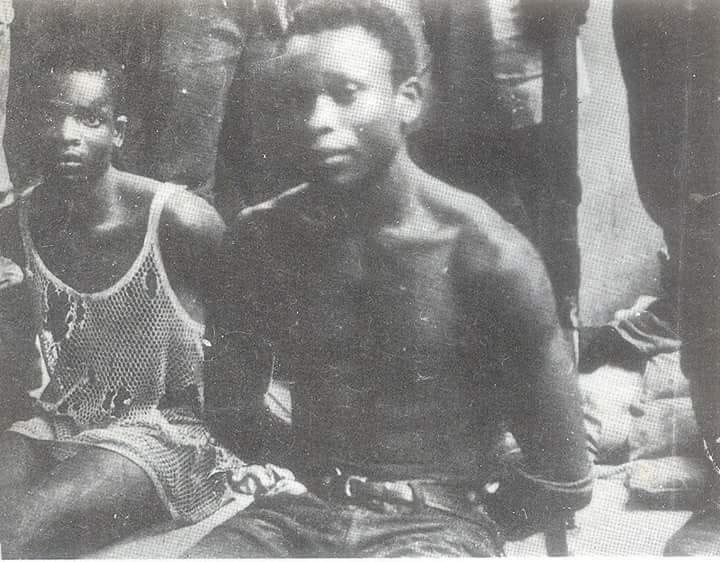
However, these theories remain speculative. Boro’s grievances were deeply rooted in the economic and political marginalisation of the Niger Delta, and there is no documented evidence of direct Northern sponsorship. His rebellion lasted only 12 days, and he lacked the extensive support one would expect if he had powerful backers. Furthermore, his alignment with the Nigerian government during the Civil War could have been a strategic choice rather than evidence of prior Northern influence.
Legacy of the 12-Day Revolution
Although Boro’s Republic of the Niger Delta was short-lived, its impact endured. His rebellion was the first armed attempt at secession in Nigeria, preceding the Biafran War by over a year. It also laid the foundation for later struggles in the Niger Delta, from Ken Saro-Wiwa’s peaceful activism in the 1990s to the militant uprisings of the 2000s.
Adaka Boro’s decision to declare the short-lived Republic of the Niger Delta in 1966 was driven by the economic and political marginalisation of his people. The discovery of crude oil in the region had made the Niger Delta an economic powerhouse, yet its people remained impoverished, deprived of the wealth their land produced. Boro’s armed rebellion, though swiftly crushed, was a radical attempt to force the Nigerian government to recognise the plight of the Ijaw and other minority groups in the Niger Delta.
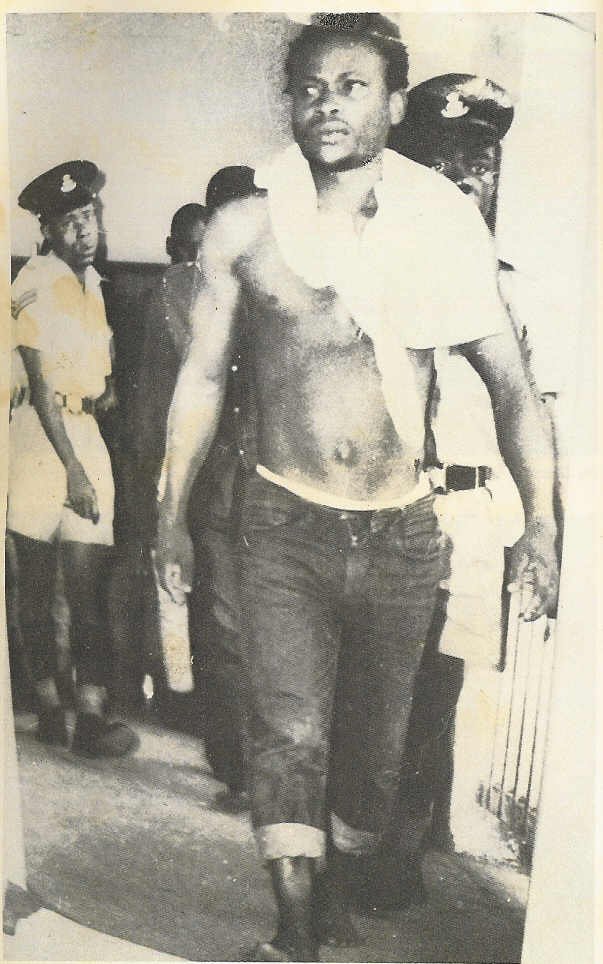
Though his uprising lasted only 12 days, its impact was profound. Boro was arrested and sentenced to death for treason, but he was later granted amnesty by Lieutenant-Colonel Yakubu Gowon, who saw his potential as an ally in the looming Nigerian Civil War. Boro fought on the side of the federal government, helping to secure oil-rich territories from Biafran forces, but he met an untimely death in May 1968 under circumstances that remain unclear. Despite his controversial end, Boro’s rebellion had planted the seed of Niger Delta resistance, a seed that would later blossom in the 1990s with the rise of environmental and human rights activism.
The spirit of resistance that Boro ignited did not die with him. Instead, it evolved, leading to the rise of militant groups such as the Niger Delta Avengers (NDA) and the Movement for the Emancipation of the Niger Delta (MEND) in the 2000s. These groups, frustrated by the continued exploitation of the Niger Delta and the failure of successive Nigerian governments to address the region’s grievances, resorted to sabotage, kidnappings, and attacks on oil installations to press their demands for resource control and environmental justice.
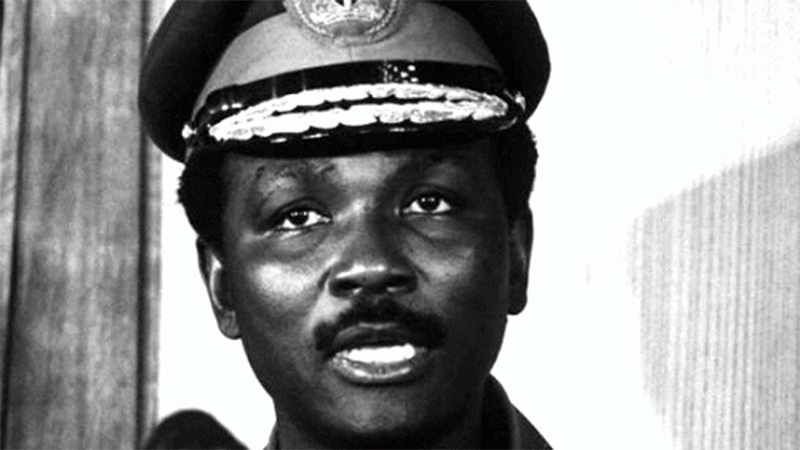
Although Adaka Boro himself did not advocate for indiscriminate violence, his belief in taking decisive action against injustice resonated with these latter movements. The Niger Delta struggle remains ongoing, with periodic clashes between the government and agitators who continue to fight for a fairer distribution of the region’s wealth.
Adaka Boro: A Rebel or a Visionary?
Was Adaka Boro a rebel or a visionary? Was he a threat to national unity or a champion of justice? History often blurs the lines between heroism and rebellion, but what remains clear is that Boro’s struggle was borne out of a genuine desire for equity and self-determination.
His declaration of the Republic of the Niger Delta in 1966 was not just an act of defiance; it was a demand for recognition, a fight for justice, and a precursor to the continuing struggle for resource control in Nigeria.
Despite his ultimate loyalty to the Nigerian government during the Civil War, Boro remains a symbol of Niger Delta nationalism, and the actions he took in 1966 still resonate today, as the region continues to demand a fairer share of its oil wealth.
But the question remains: Was Major Isaac Adaka Boro a misguided revolutionary, or was he simply ahead of his time? Would the Niger Delta have been better off had his 12-day republic survived? Perhaps history is still waiting to provide the answer.
Want to understand what really happened during Nigeria’s first military coup? Read A Carnage Before Dawn. It offers a carefully researched, vividly told account of January 15, 1966, through a storytelling style that will keep you glued to the book’s pages.
You can get the e-book here and the paperback here.
Love history? Don’t stop here.
📚 Get deeper insights by purchasing our latest history books.
📢 Join our WhatsApp Channel for exclusive updates and historical facts.
📩 Subscribe to our Newsletter and receive fascinating stories from history (World and African history) directly in your inbox.
🎥 Subscribe to our YouTube channel for engaging documentaries and short history videos.
Stay connected with us on social media for daily history content:
🔵Follow us on Facebook.
📸 Follow us on Instagram.
🐦Follow us on Twitter.
💼 Follow us on LinkedIn.
🎵 Follow us on TikTok.
❤️ Support our work by donating to HistoryVille and help us continue preserving and sharing important historical stories. 📢Advertise with HistoryVille to reach a growing audience passionate about history and culture.