
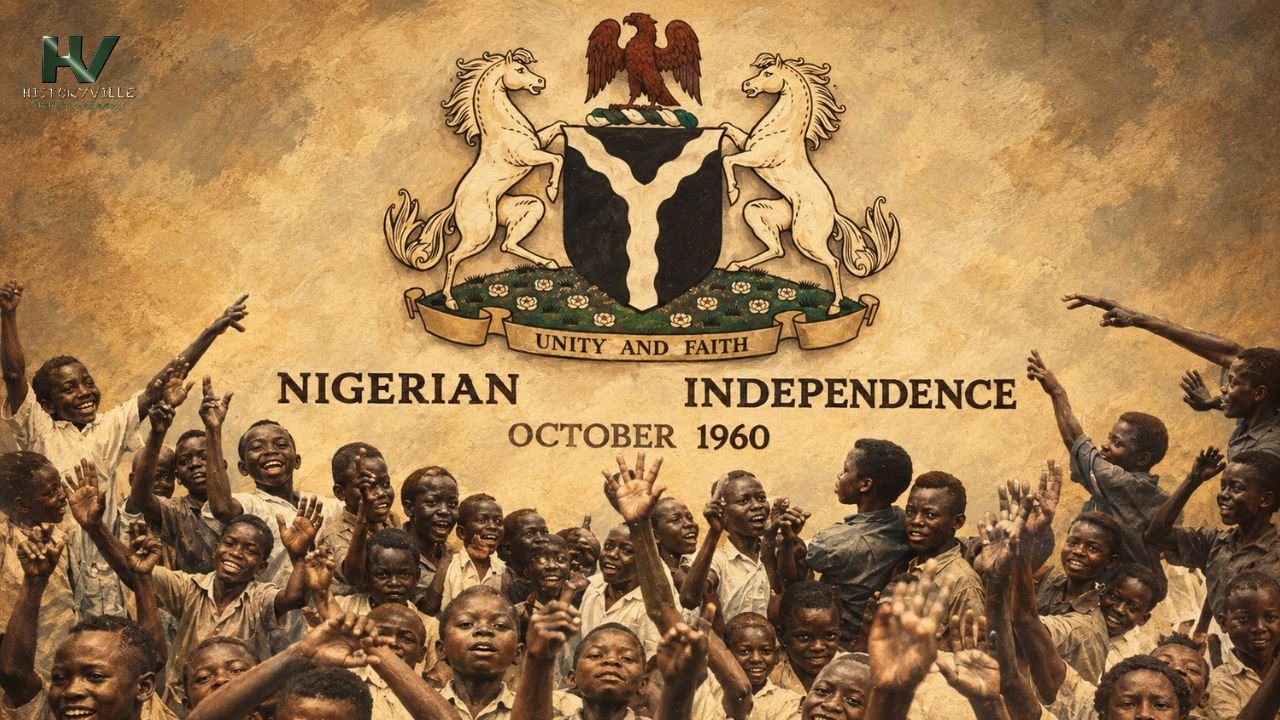

Every October 1, green-and-white flags wave across Nigeria, the national anthem echoes in stadiums, and political leaders deliver lofty speeches about unity and progress. But behind the celebrations, an uneasy question lingers: what does October 1 really mean to the ordinary Nigerian? Is it a day of pride, a reminder of betrayal, or merely another public holiday marked by parades and television reruns of independence footage?
Since 1960, October 1 has been more than a date; it has been a mirror reflecting Nigeria’s complicated journey. To some, it symbolises freedom and possibility. To others, it is a painful reminder of unfulfilled promises, dashed hopes, and the widening gap between citizens and their leaders.
To understand what October 1 entails today, let us trace its meaning from independence through the turbulent decades that followed, and into the present-day struggles of Africa’s most populous country.
1960: The Birth of a Nation
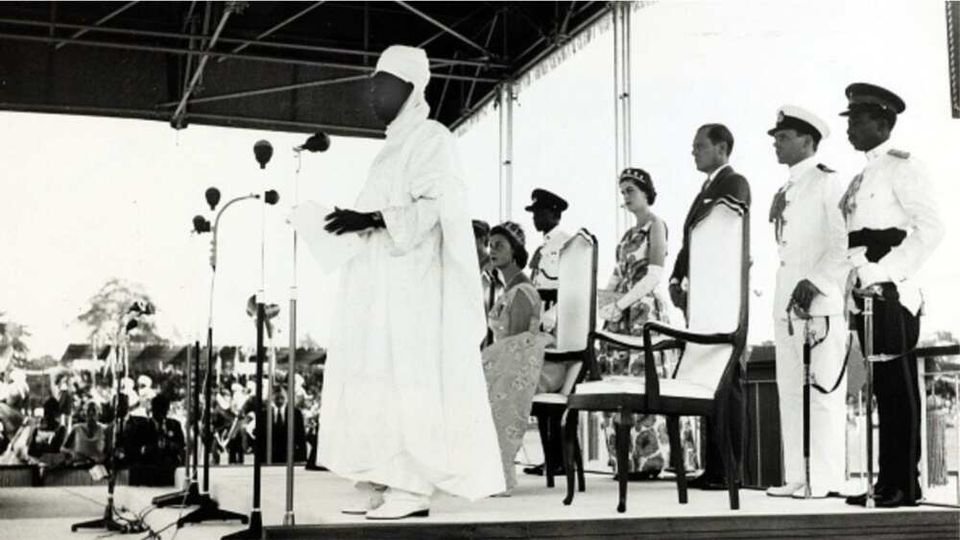
On October 1, 1960, Nigeria emerged as an independent country after decades of British colonial rule. At midnight, the Union Jack was lowered, and the green-white-green flag rose, signalling the birth of a sovereign nation. Sir Abubakar Tafawa Balewa, Nigeria’s first Prime Minister, addressed the world with optimism, pledging that the country would play a constructive role in Africa and beyond.
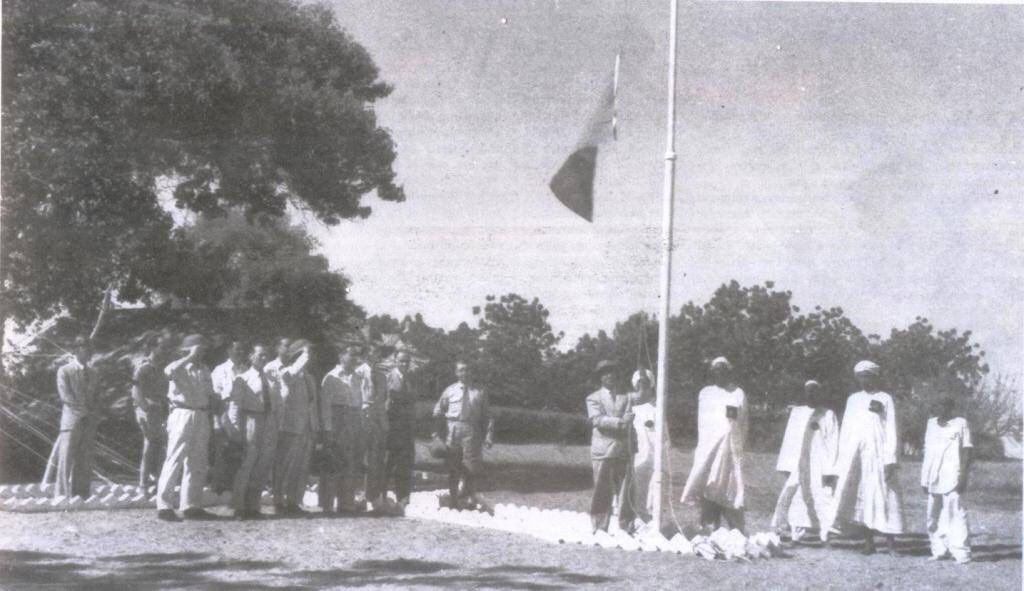
For many Nigerians at the time, October 1 meant liberation. It was the end of foreign domination, the beginning of self-determination, and the promise of a brighter tomorrow. The mood was euphoric. Lagos, the capital, hosted dignitaries from across the world. Schoolchildren marched in parades, and the air was thick with the excitement of possibility.
Yet, beneath the celebrations lay fragile foundations. Nigeria was a patchwork of ethnic groups and religions stitched together by colonial fiat. The questions of unity, leadership, and development that haunted the new nation were already present, though drowned in the jubilation of freedom.
The First Republic and Broken Dreams (1960–1966)
In the years immediately after independence, October 1 retained its glow. The anniversaries were marked with national pride, cultural festivals, and government programmes showcasing Nigeria’s potential. But cracks soon appeared.
Regional rivalries deepened, corruption crept into politics, and democracy faltered. The federal system, meant to balance Nigeria’s diversity, became a battleground for ethnic competition. By 1966, the optimism of independence had soured into disillusionment.
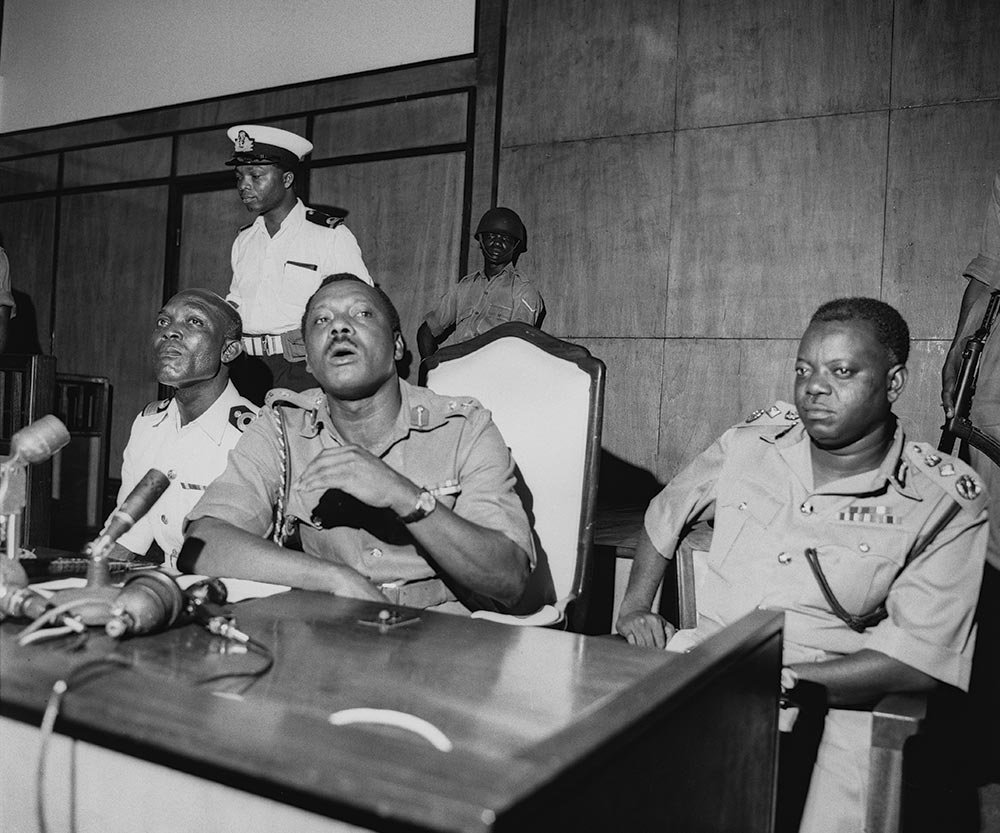
The military coup of January 15, 1966, shattered the young republic, and the counter-coup of July the same year plunged Nigeria into deeper instability. On those anniversaries of independence, Nigerians looked back not with celebration, but with regret at how quickly the dream was slipping away.
The Civil War Years (1967–1970)
During the Nigerian Civil War (1967–1970), October 1 took on a grim meaning. For those in Biafra, it was a day of resistance against what they saw as a hostile federation. For those in Nigeria, it was a reminder that the unity proclaimed in 1960 was hanging by a thread.
Independence Day celebrations during the war years were interrupted by hunger, displacement, and mass death. For millions of Nigerians, October 1 was no longer about freedom but about survival. The promise of 1960 seemed like a cruel illusion.
Military Rule and the Oil Boom (1970s–1980s)
The end of the war brought a new era, one dominated by military rule. Under General Yakubu Gowon, October 1 returned as a day of national pride. His famous declaration of “no victor, no vanquished” sought to heal wounds, and independence anniversaries became occasions to project unity.

The oil boom of the 1970s gave further glamour to the celebrations. Nigeria, flush with petrodollars, hosted lavish parades and festivals. In 1977, FESTAC ’77 was a cultural extravaganza that showcased Nigeria as the leader of the black world. For many, October 1 symbolised not only independence but also Nigeria’s arrival on the global stage.
Yet, the boom years also masked corruption, waste, and mismanagement. October 1 celebrations became spectacles of power, where military rulers showcased their dominance rather than accountability. Independence was honoured, but democracy was buried under boots and decrees.
By the 1980s, when oil prices fell and economic hardship deepened, October 1 was losing its shine. Nigerians celebrated in the shadow of poverty, military repression, and a shrinking sense of national pride.
The June 12 Struggle and Lost Years (1990s)
The 1990s brought further decline. Under Generals Ibrahim Babangida and Sani Abacha, October 1 was marked by parades heavy with military symbolism but empty of national joy. Citizens viewed the day with cynicism, seeing in it a widening gap between rulers and their subjects.
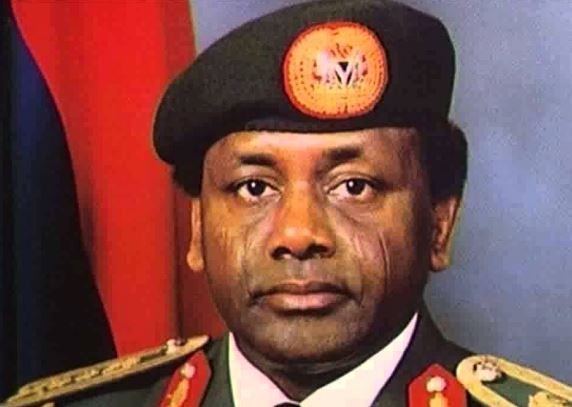
The annulment of the June 12, 1993, election, widely considered Nigeria’s freest, made Independence Day bittersweet. For pro-democracy activists, October 1 was no longer a day to celebrate independence from Britain, but a day to mourn the absence of freedom at home. While leaders gave speeches, ordinary Nigerians felt alienated from the ideals of democracy and justice.
In this era, October 1 became, for many, a dull ritual.
Return to Democracy and Renewed Hope (1999–2000s)
The return of democracy in May 1999 under President Olusegun Obasanjo gave October 1 a new meaning. The parades, speeches, and fireworks once again carried a sense of optimism. Nigerians looked forward to a new era of civilian rule, economic revival, and freedom.
In the early 2000s, Independence Day became a chance to reflect on progress, however modest. The introduction of GSM phones, the rise of Nollywood, and some economic reforms gave Nigerians a sense that the country was moving forward. For a time, October 1 was celebrated with genuine hope.
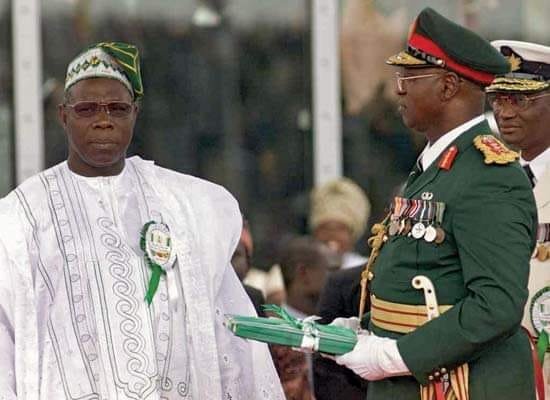
Yet, old problems persisted. Corruption, poor governance, and rising insecurity dimmed the optimism. By the late 2000s, many Nigerians began to ask: independence from whom, and for what?
October 1 in the Age of Terror and Discontent (2010s)
The 2010s reshaped the meaning of October 1. While the elite celebrated with parades in Abuja, ordinary Nigerians were dealing with Boko Haram insurgency, farmer–herder conflicts, and economic struggles. The green-and-white flag still flew high, but the realities on the ground told a different story.
For many, Independence Day became a painful reminder of lost opportunities. The nation, blessed with oil and human capital, still faced mass unemployment and poor infrastructure. To some, October 1 was not a celebration but an indictment of failed leadership.
The disconnection between official pomp and citizens’ despair became stark. Government leaders praised Nigeria’s progress, while many Nigerians quietly asked: What progress?
The #EndSARS Generation and October 1 Today (2020–Present)
In October 2020, just six days after Independence Day, the #EndSARS protests against police brutality broke out, redefining Nigerian patriotism. Young Nigerians, tired of empty speeches and broken promises, took to the streets demanding justice, accountability, and true freedom.
Since then, October 1 has carried layered meanings. For older Nigerians, it is still a reminder of the historic handover from Britain. For the youth, it is a question mark: what does independence mean when poverty, insecurity, and bad governance persist?
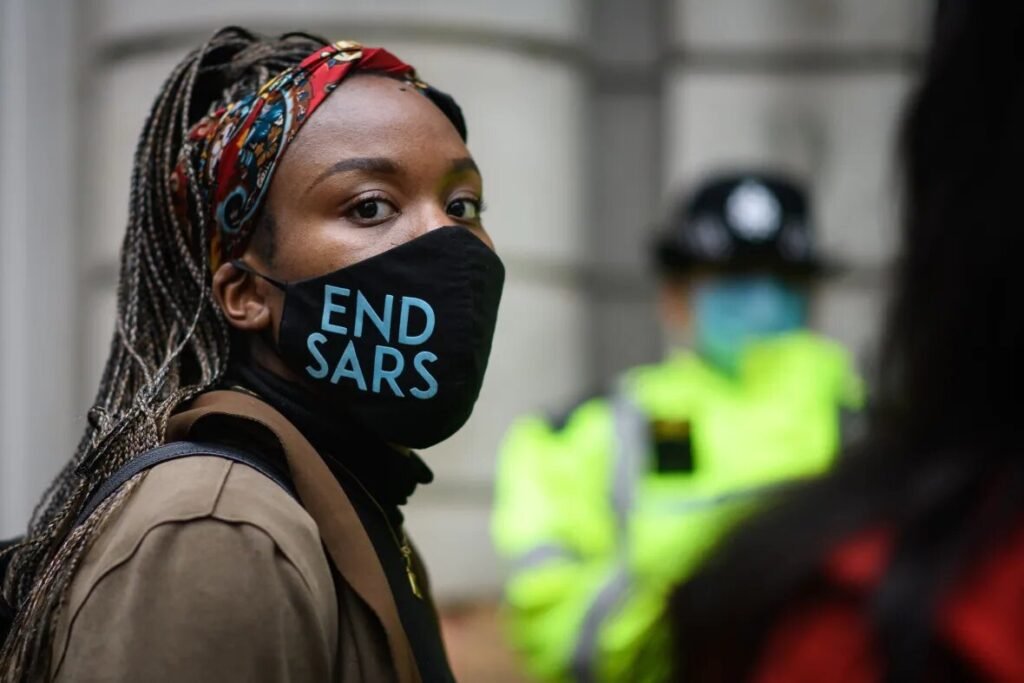
Today, many Nigerians see October 1 as more symbolic than substantive. It is a day of reflection rather than celebration, a day when citizens ask hard questions: Has Nigeria truly become independent of colonial legacies, corruption, and poor leadership? Is the promise of 1960 still within reach, or has it faded into nostalgia?
The Meaning of October 1
So, what is October 1 to a Nigerian? The answer is complicated. To the generation of 1960, it was the dawn of freedom. To those who lived through the coups, civil war, and military dictatorship, it was a reminder of lost dreams. To today’s youth, it is a contested symbol, sometimes of pride, often of frustration.
October 1 has never been a static celebration; it has shifted with Nigeria’s fortunes. It has been a day of joy, sorrow, pride, protest, and reflection. It is both a celebration of sovereignty and a mirror of unfulfilled potential.
As Nigeria marks 66 years of independence, the challenge remains: to transform October 1 from a ritualistic holiday into a true celebration of national progress. Only when democracy delivers, corruption fades, and citizens feel the fruits of independence will October 1 regain its full meaning. Until then, it remains both a symbol of freedom and a reminder of the distance still to be travelled.
Want to understand what really happened during Nigeria’s first military coup? Read A Carnage Before Dawn. It offers a carefully researched, vividly told account of January 15, 1966, through a storytelling style that will keep you glued to the book’s pages.
You can get the e-book here and the paperback here.
Love history? Don’t stop here.
📚 Get deeper insights by purchasing our latest history books.
📢 Join our WhatsApp Channel for exclusive updates and historical facts.
📩 Subscribe to our Newsletter and receive fascinating stories from history (World and African history) directly in your inbox.
🎥 Subscribe to our YouTube channel for engaging documentaries and short history videos.
Stay connected with us on social media for daily history content:
🔵Follow us on Facebook.
📸 Follow us on Instagram.
🐦Follow us on Twitter.
💼 Follow us on LinkedIn.
🎵 Follow us on TikTok.
❤️ Support our work by donating to HistoryVille and help us continue preserving and sharing important historical stories. 📢Advertise with HistoryVille to reach a growing audience passionate about history and culture.