
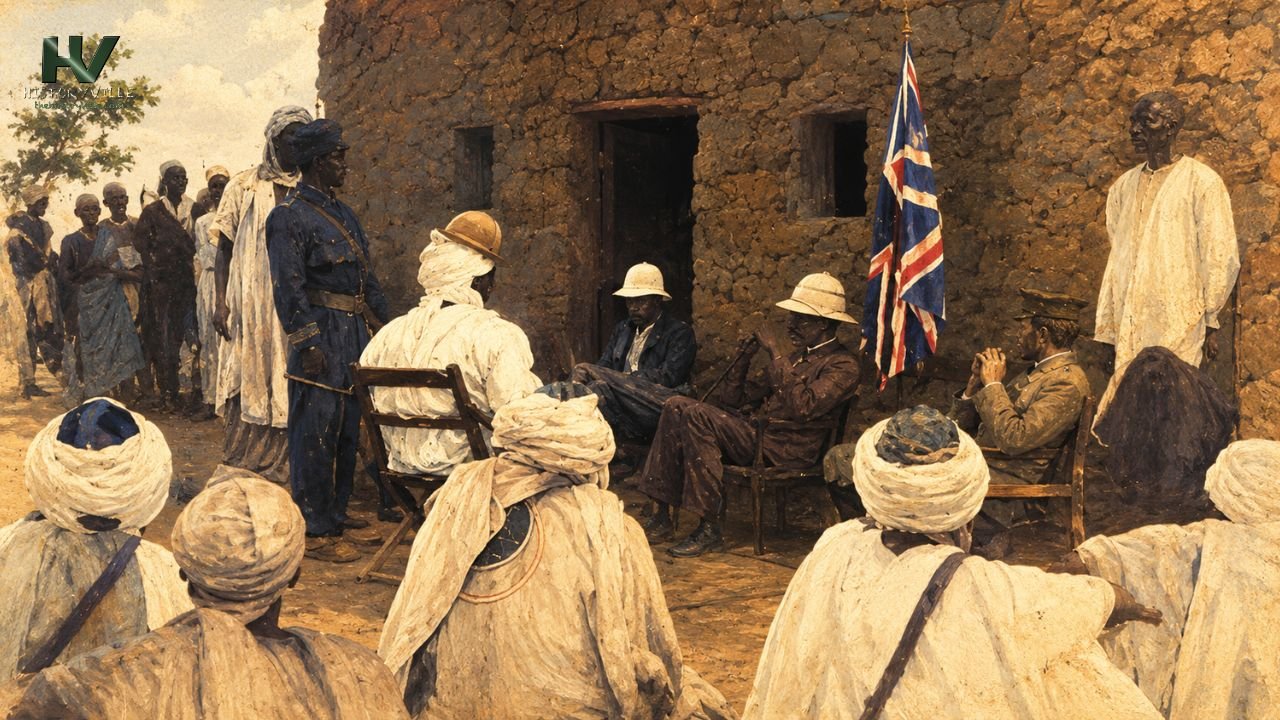

Indirect Rule was the main system the British used to govern Nigeria during the colonial period. Instead of ruling directly, they worked through existing traditional rulers such as emirs, chiefs, and obas. This method shaped Nigeria’s political structure, local administration, and colonial experience in important ways.

In this article, we will explain what Indirect Rule means, why the British introduced it, and how it operated in different parts of Nigeria. We will see how traditional authorities were used in colonial administration and how policies were enforced at the local level. This will give us a clear foundation for studying Nigeria’s colonial history.
We will also identify the key features of Indirect Rule and its practical outcomes across the country. This will help connect colonial governance to later political developments in Nigeria.
A Background to Indirect Rule
Before the introduction of Indirect Rule, British involvement in Nigeria began mainly through trade along the coastal areas. European merchants were interested in palm oil, ivory, and other goods. Over time, trade contacts gradually developed into political influence as British officials and companies sought greater control over commerce and security.
During the late nineteenth century, Britain expanded its authority inland. Chartered companies such as the Royal Niger Company played a key role in this process. They signed treaties with local rulers, established trading posts, and administered territories on behalf of the British government. Eventually, the British Crown took direct control of these territories.
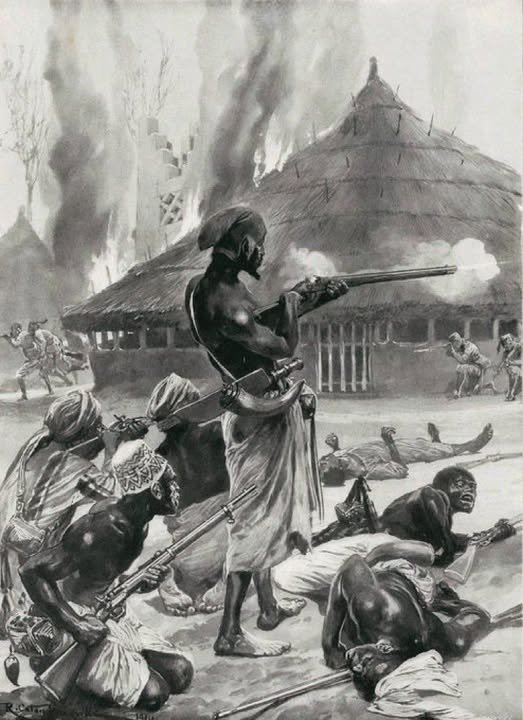
Military expeditions also helped Britain consolidate control in several regions. Where treaties or negotiations failed, force was sometimes used to establish colonial authority. By the early twentieth century, Britain had secured control over most areas that later became modern Nigeria.
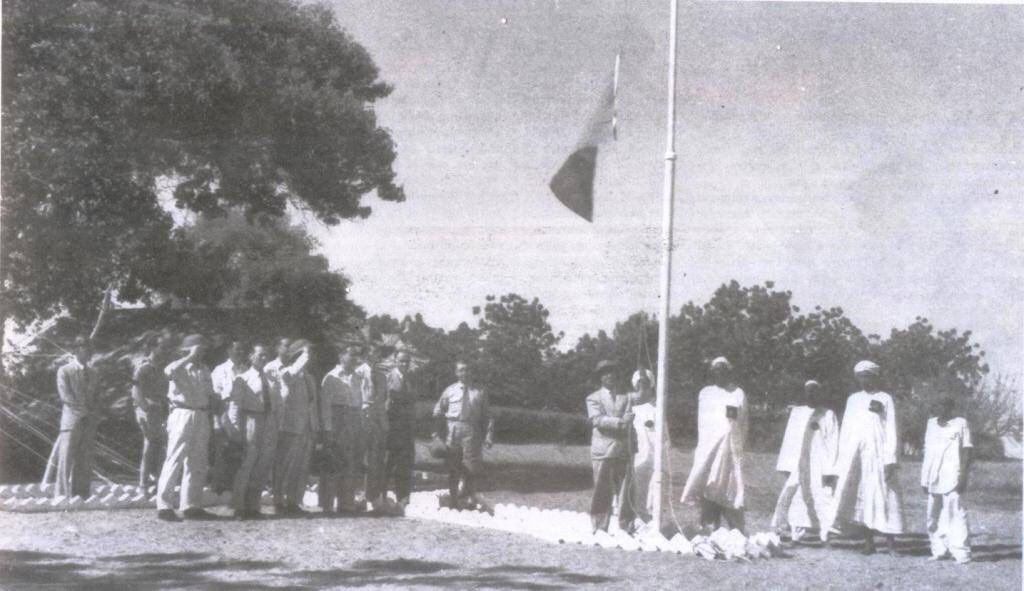
As British authority expanded, colonial administrators faced practical challenges. Nigeria was large, diverse, and populated by many ethnic groups with different political systems. There were few British officials available to manage daily administration across such a wide territory.
Cost was another major concern. Running a fully staffed colonial administration required significant financial resources. The British government preferred a system that would reduce administrative expenses while still maintaining political control and economic stability.
At the same time, many Nigerian societies already had established systems of governance. In Northern Nigeria, emirate systems with centralised authority were already in place. In parts of Western Nigeria, kings, chiefs, and councils carried out political and judicial functions. These existing structures provided a framework that the British could use.
These conditions encouraged the adoption of Indirect Rule. Instead of replacing traditional institutions completely, British officials decided to govern through them. Traditional rulers were recognised as local authorities but operated under colonial supervision.
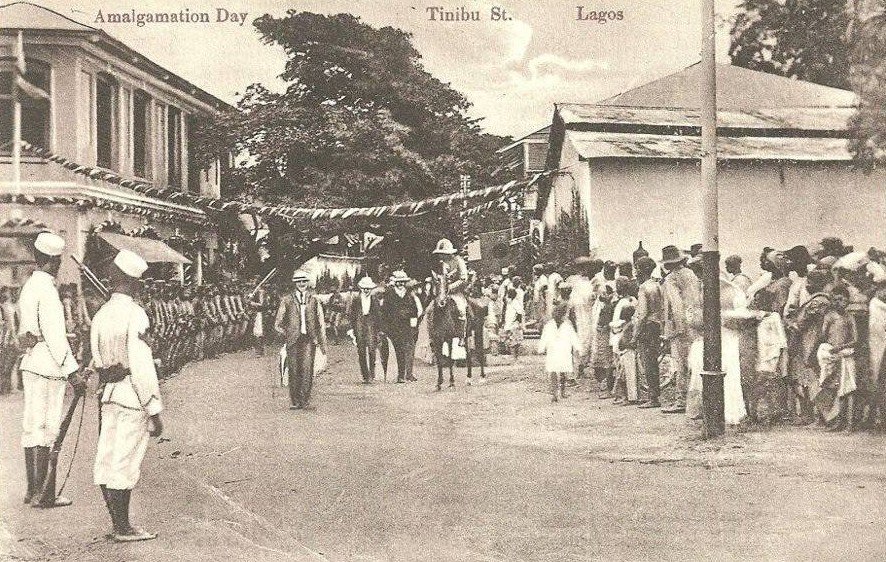
With the amalgamation of Northern and Southern Nigeria in 1914, administrative coordination became even more important. Indirect Rule was seen as a practical method for governing the enlarged colony while maintaining order and controlling resources.
Under this system, traditional rulers helped implement colonial policies. They assisted in tax collection, local administration, and maintaining public order. British officials supervised them and retained ultimate authority over decisions.
This background explains how Indirect Rule emerged in colonial Nigeria. It developed from British commercial expansion, territorial control, administrative needs, financial considerations, and the presence of existing political institutions that could be adapted to colonial governance.
Indirect Rule in Northern Nigeria
Indirect Rule was first fully practised in Northern Nigeria after British conquest in the early twentieth century. The region already had organised political systems in the Sokoto Caliphate, where emirs governed provinces under the authority of the Sultan. These existing structures made it easier for the British to apply their policy of ruling through traditional authorities.
British officials, especially Lord Frederick Lugard, decided to govern Northern Nigeria through the emirs rather than replace them. The emirs remained in their positions but operated under British supervision. They carried out administrative duties while colonial officers gave instructions and monitored compliance.
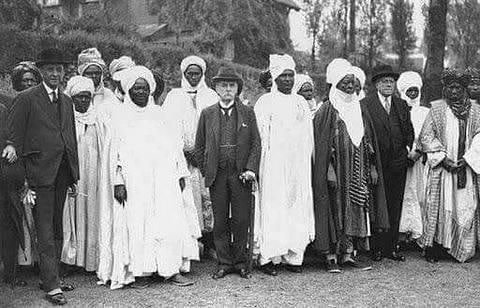
Under Indirect Rule, emirs were responsible for tax collection, local courts, maintenance of order, and implementation of colonial regulations. Native authorities and native courts were established to formalise this system. British residents or district officers oversaw these institutions and ensured loyalty to the colonial administration.
The British also preserved many Islamic legal and administrative practices, provided they did not conflict with colonial policies. This approach helped maintain stability and reduced resistance because existing leadership structures remained in place.
Education and missionary activities were more restricted in Northern Nigeria compared to the South during this period. The colonial government preferred gradual change and worked closely with traditional rulers to avoid political unrest.
Overall, Indirect Rule functioned most smoothly in Northern Nigeria because centralised traditional authority already existed. The system allowed the British to administer a large territory with relatively few officials while maintaining political control through recognised local rulers.
Indirect Rule in Southern Nigeria
The application of Indirect Rule in Southern Nigeria developed differently from the North. When the British extended colonial authority into the South, they met diverse political systems. Some areas had recognised kings and chiefs, while others operated through village assemblies, councils, or lineage heads without a single central ruler.
Because of this diversity, applying Indirect Rule was not always straightforward. In places like Yorubaland, where obas and chiefs already existed, the British governed through these traditional authorities. They assigned administrative duties to them, including tax collection, local courts, and maintaining order under colonial supervision.
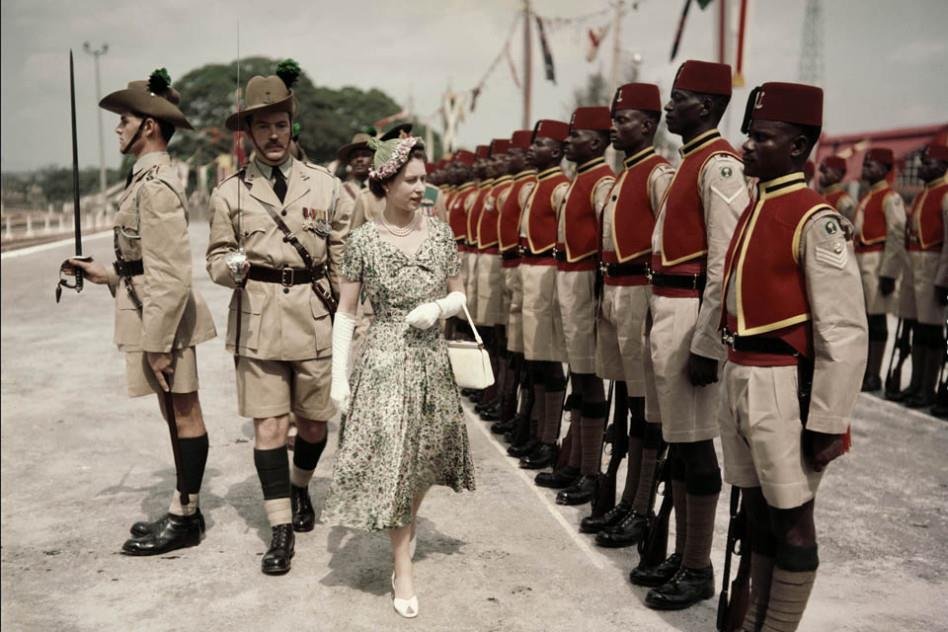
However, in many Igbo and other eastern communities, there were no centralised rulers in the same way. To operate Indirect Rule, the British sometimes appointed individuals as chiefs even where such positions had not previously existed. These figures were often called “warrant chiefs” because their authority came from colonial appointment rather than longstanding tradition.
Native authorities and native courts were created to formalise administration. These institutions carried out local governance tasks and implemented colonial regulations. British district officers supervised them and retained overall control.
The operation of Indirect Rule in Southern Nigeria, therefore, varied from place to place. It depended largely on existing political structures and how colonial officials adapted them for administrative purposes. This shaped local governance patterns during the colonial period.
Reasons for Indirect Rule in Nigeria
One major reason for introducing Indirect Rule in Nigeria was administrative convenience. The country was a large territory with many ethnic groups, languages, and local political systems. The British had few colonial officers, so governing through traditional rulers made administration easier.
Cost reduction was another important reason. Running a full colonial administration with many British officials would have been expensive. By using existing traditional authorities, the British reduced administrative costs while still maintaining control over the colony.
The presence of established traditional institutions also encouraged Indirect Rule. In many areas, especially in Northern Nigeria and parts of the West, recognised rulers already handled local governance. The British chose to work through these authorities rather than remove them.
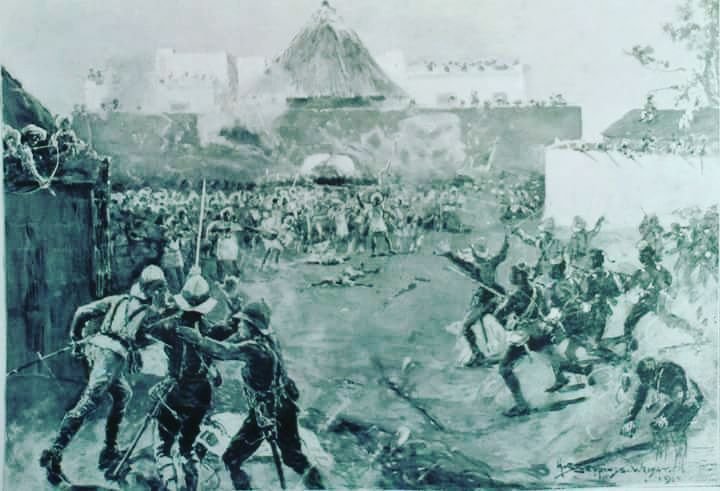
Maintaining law and order was another factor. Traditional rulers were familiar to their communities and could help enforce colonial policies. This helped the British maintain stability and reduce resistance in many areas.
Communication and local knowledge also played a role. Traditional rulers understood local customs, languages, and social structures better than colonial officials. Using them made governance more practical and helped policies reach local populations.
Finally, British colonial policy generally favoured governing through existing institutions where possible. Indirect Rule became the preferred administrative method because it allowed political control while preserving local authority structures under colonial supervision.
Advantages of Indirect Rule in Nigeria
One advantage of Indirect Rule was administrative convenience. The British governed large territories through existing traditional rulers instead of relying only on colonial officials. This made administration easier across Nigeria and allowed policies to reach local communities more quickly.
Another advantage was lower administrative costs. Indirect Rule was cheaper than direct rule because fewer British officials were required. The colonial government avoided the full costs of salaries, housing, feeding, and other provisions that would have been necessary for a larger colonial workforce.
The system also led to adjustments in traditional administration. Some local governing practices were reorganised, and new policies were introduced to fit colonial administration. This changed how local governance operated in many areas during the colonial period.
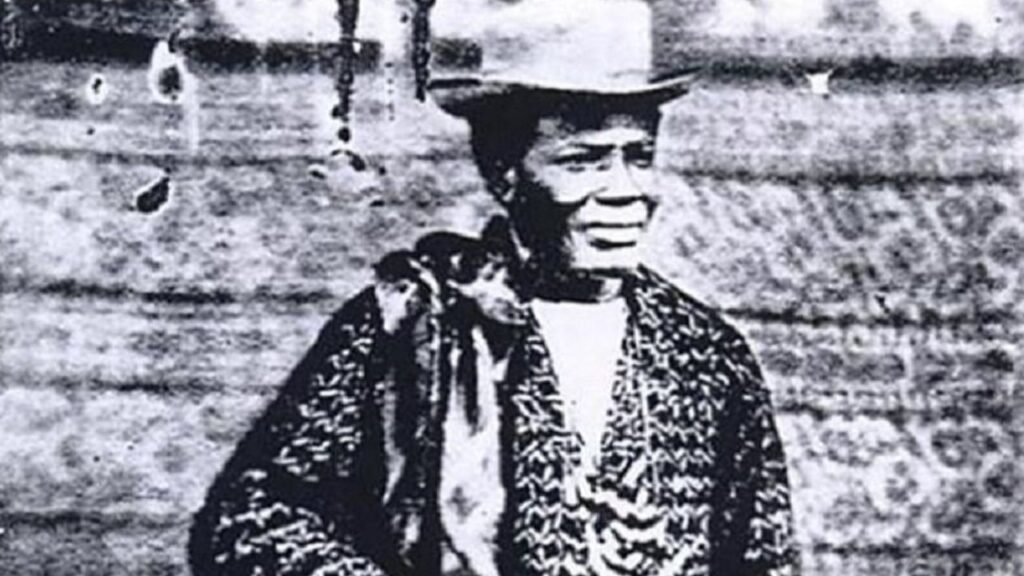
Certain traditional practices considered harmful by colonial authorities were restricted or banned. Laws introduced under Indirect Rule affected some customs and social practices, especially in areas of law and public administration.
Another advantage was the continued recognition of traditional rulers. Chiefs, emirs, and obas retained public authority and were given official roles in governance. This helped the British gain cooperation from communities, although these rulers operated under colonial supervision.
Finally, Indirect Rule allowed the British to govern without completely replacing local cultures with British culture. Colonial officials worked through existing institutions to maintain stability and encourage acceptance of colonial administration.
Disadvantages of Indirect Rule in Nigeria
One major disadvantage of Indirect Rule in Nigeria was the misuse of traditional authority. Some traditional rulers used their positions to exercise excessive power because they were backed by colonial support. This sometimes created tension between rulers and local communities.
Another disadvantage was that the system did not work equally well in all parts of Nigeria. In areas without strong centralised leadership, especially in parts of Southern Nigeria, the British created or appointed chiefs where none had previously existed. This caused disputes and weakened traditional political structures.
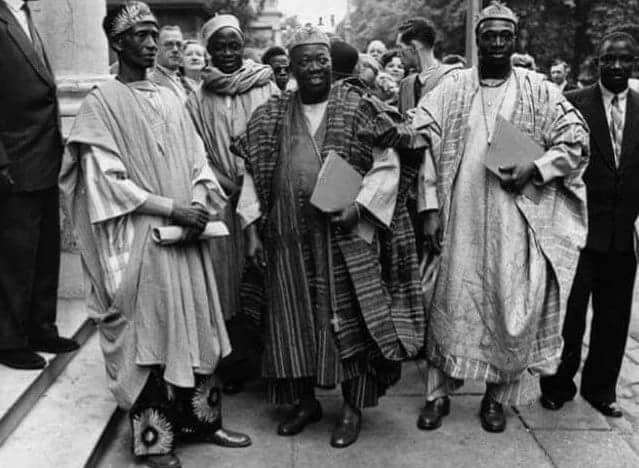
Indirect Rule also limited the direct participation of the people in governance. Many decisions came from colonial authorities through traditional rulers rather than from the people themselves. This reduced local political involvement during the colonial period.
There were also communication gaps between colonial officials and local populations. Instructions were often passed through several levels of authority, which could lead to misunderstanding or misinterpretation of policies.
Finally, the system strengthened colonial control over local institutions. Traditional rulers operated under colonial supervision and followed colonial directives. This meant that ultimate authority rested with the colonial administration rather than with local communities.
How Lugard’s Indirect Rule Shaped Nigeria Today
Lord Lugard’s Indirect Rule helped establish the continued role of traditional rulers in Nigeria. Chiefs, emirs, and obas were integrated into colonial administration, and many of these institutions still exist today alongside modern political structures. Nigeria, therefore, operates a dual system where elected governments coexist with influential traditional authorities in social and cultural affairs.
The policy also contributed to regional differences that still affect Nigeria. Indirect Rule worked more easily in Northern Nigeria because of centralised emirate systems, while other regions experienced different administrative approaches. These variations influenced education, governance patterns, and political development, helping shape the country’s regional diversity after independence.
Another lasting effect was the strengthening of ethnic and regional identities. Colonial administration often governed communities separately through their local rulers, which reinforced divisions among groups. This contributed to political competition along regional or ethnic lines in later Nigerian politics.
Indirect Rule also influenced Nigeria’s political leadership structure. Colonial reliance on traditional elites created a class of leaders connected to both indigenous authority and modern governance. Some of these patterns continued after independence in political organisation and leadership networks.
Finally, the system shaped Nigeria’s administrative framework. Local government systems, traditional councils, and aspects of community leadership trace their development partly to colonial indirect administration. Its legacy remains visible in governance, politics, and social organisation in Nigeria today.
Want to understand what really happened during Nigeria’s first military coup? Read A Carnage Before Dawn. It offers a carefully researched, vividly told account of January 15, 1966, through a storytelling style that will keep you glued to the book’s pages.
You can get the e-book here and the paperback here.
Love history? Don’t stop here.
📚 Get deeper insights by purchasing our latest history books.
📢 Join our WhatsApp Channel for exclusive updates and historical facts.
📩 Subscribe to our Newsletter and receive fascinating stories from history (World and African history) directly in your inbox.
🎥 Subscribe to our YouTube channel for engaging documentaries and short history videos.
Stay connected with us on social media for daily history content:
🔵Follow us on Facebook.
📸 Follow us on Instagram.
🐦Follow us on Twitter.
💼 Follow us on LinkedIn.
🎵 Follow us on TikTok.
❤️ Support our work by donating to HistoryVille and help us continue preserving and sharing important historical stories. 📢Advertise with HistoryVille to reach a growing audience passionate about history and culture.