
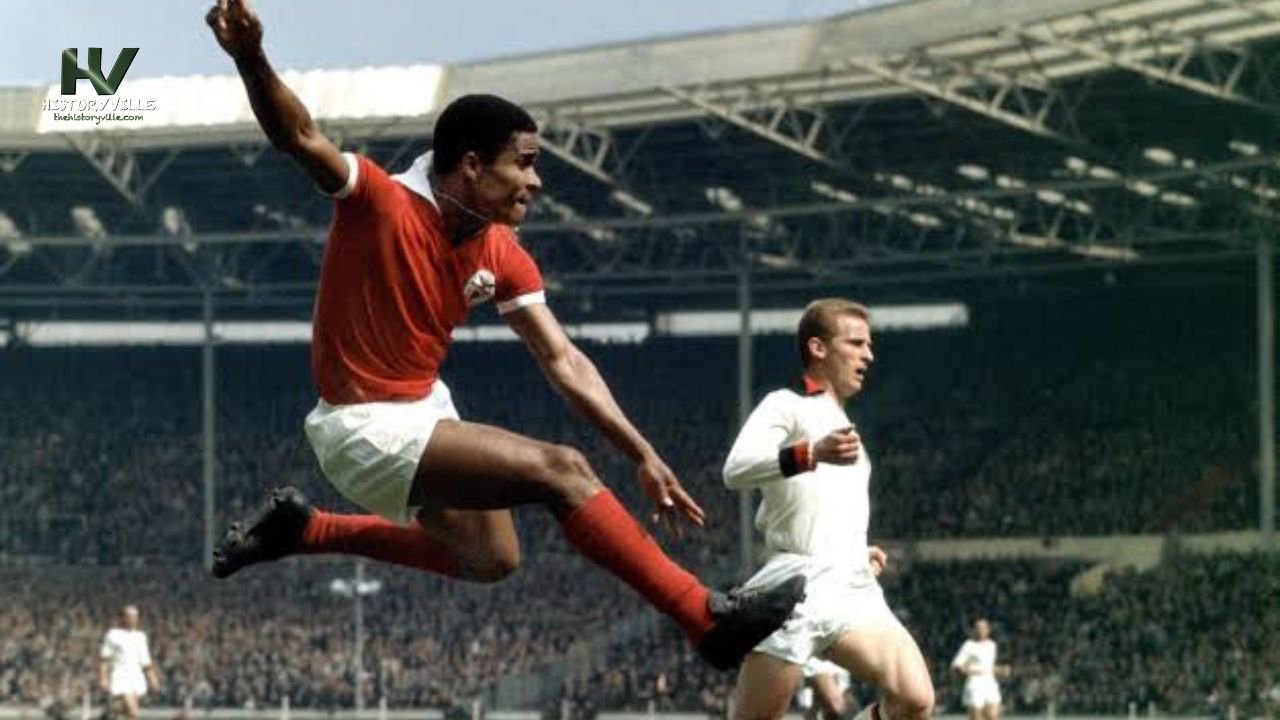

The 1966 FIFA World Cup was supposed to be a celebration of global football, but the Green Eagles of Nigeria and 14 other African countries refused to take part in the tournament’s qualifiers.
Their decision shocked FIFA itself and many football fans around the world, especially at a time when the World Cup was rapidly becoming the biggest sporting event on earth.
So, why would an entire continent boycott such an important event as the FIFA World Cup?
Background
The controversy began in January 1964 when the Fédération Internationale de Football Association (FIFA), the sport’s global governing body, announced the qualification format for the 16-team competition to be hosted by England. While Europe received 10 places, Latin America got four, and the Central American and Caribbean region received one, Africa, Asia and Oceania were left to compete for just a single slot. This meant that dozens of countries across three continents would fight for one place at the finals, despite the growing popularity of football in Africa.
To many African football administrators, the arrangement was unfair and disrespectful. Rather than accept what they viewed as discrimination, African nations decided to boycott the qualifiers entirely. Their protest would later become one of the most important moments in the history of African football and force FIFA to rethink the continent’s place in the World Cup.
Ohene Djan’s Protests
Within weeks of FIFA announcing the qualification format for the 1966 FIFA World Cup, strong opposition began to emerge from Africa. One of the loudest voices was Ohene Djan, Ghana’s Director of Sports and a member of FIFA’s Executive Committee. In a strongly worded telegram to FIFA, Djan criticised the decision to force Africa, Asia and Oceania to compete for a single place at the World Cup finals.
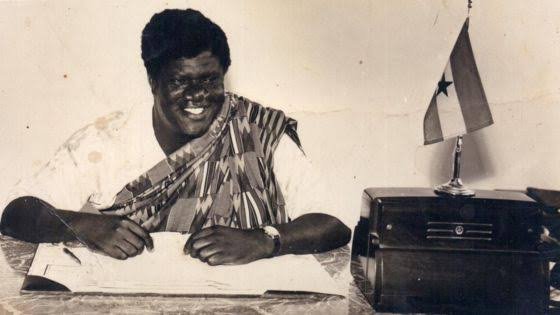
He argued that it was unreasonable for Afro-Asian countries to endure “painful” and expensive qualifying campaigns for only one spot, insisting that Africa deserved at least one guaranteed place at the tournament. Djan’s confidence and determination were heavily influenced by Kwame Nkrumah, who viewed football as a powerful tool for African unity and international recognition.
Since Ghana became the first sub-Saharan African country to gain independence in 1957, Nkrumah had encouraged African institutions to challenge global inequalities. He reportedly instructed Djan to do everything possible to place African football firmly on the world stage.
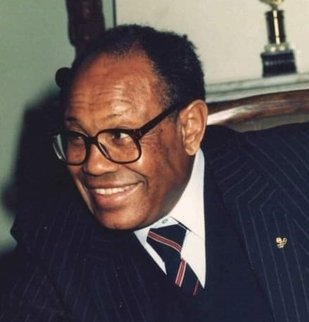
As a leading member of the Confederation of African Football, Djan joined forces with Ethiopian football administrator Tessema Yidnekatchew to challenge FIFA’s decision. Tessema described the qualification arrangement as “a mockery of economics, politics and geography,” arguing that it unfairly ignored Africa’s growing football strength. The pair also pointed out the enormous financial burden of arranging intercontinental play-offs against teams from Asia and Oceania, costs which many African countries could barely afford at the time.
Apartheid in South Africa
Another major source of tension between the Confederation of African Football and FIFA was the apartheid issue in South Africa. Founded in 1957, CAF was not just a football organisation; it also became an important symbol of African unity at a time when many countries on the continent were still fighting colonialism and racial discrimination. In fact, CAF existed even before the formation of today’s African Union.
Headquartered in Cairo, CAF became the first sporting organisation in the world to expel South Africa because of the apartheid policies of its white minority government. Although FIFA initially suspended South Africa in 1961, the organisation controversially readmitted the country in 1963 after South African officials promised to send an all-white team to the 1966 FIFA World Cup and an all-black team to the 1970 tournament in Mexico. To avoid political tensions, FIFA placed South Africa in an Asian qualifying group rather than an African one, but the intercontinental play-off system still meant that an African team could eventually face the apartheid state.
The decision deeply angered African football leaders, who believed FIFA was ignoring both morality and African opinion. In July 1964, CAF announced that African nations would boycott the 1966 FIFA World Cup unless Africa was granted its own guaranteed place at the finals. At the time, only Egypt had ever represented Africa at a World Cup, having appeared in the 1934 tournament.
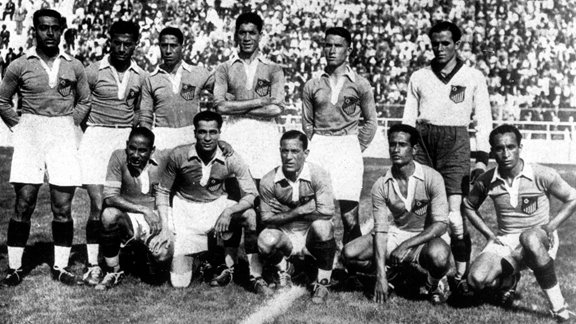
Despite the protest, FIFA refused to change its position. True to their warning, Africa’s 15 eligible countries withdrew from the qualifiers in October 1964, turning the boycott into one of the most significant acts of resistance in football history.
North Korea at the 1966 FIFA World Cup
With several Asian countries withdrawing from the qualifiers for financial reasons, only two nations remained to compete for the single World Cup slot allocated to Africa, Asia and Oceania by FIFA. In the end, North Korea defeated Australia 9-2 on aggregate to qualify for the 1966 FIFA World Cup. In many ways, Africa’s boycott became North Korea’s gain.
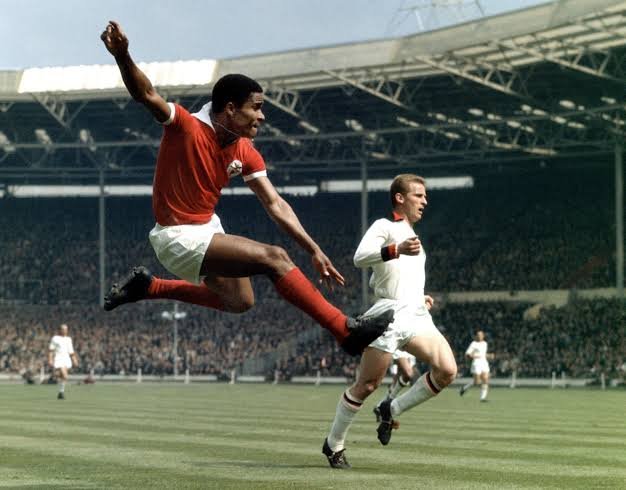
Making their debut at the 1966 FIFA World Cup in England, North Korea shocked the football world with a series of remarkable performances. They famously defeated Italy 1-0 in the group stage to reach the quarterfinals, becoming one of the biggest surprise teams in tournament history. Against Portugal in the quarterfinals, the Asians raced into a stunning 3-0 lead before the brilliance of Eusébio inspired an unforgettable comeback as Portugal won 5-3.
There was deep irony in Eusébio’s success at the tournament. Although he represented Portugal, the legendary forward was born in Mozambique, then a Portuguese colony. He finished as the top scorer of the 1966 FIFA World Cup with nine goals and helped Portugal achieve their best-ever finish at the Mundial. With underdogs like North Korea dazzling the world and a Mozambican-born player dominating the scoring charts, the 1966 tournament revealed how much football outside Europe and South America was beginning to rise.
The impact of Africa’s boycott soon became impossible for FIFA to ignore. Just two years after the tournament, FIFA unanimously agreed to grant Africa its own guaranteed place at the World Cup finals, while Asia also received a direct qualification spot. The boycott had achieved its main objective and changed the future of international football permanently.
Today, Africa has become one of the most important regions in world football. The continent currently receives nine places at the expanded World Cup finals starting with the 2026 FIFA World Cup, which is being jointly hosted by the United States, Mexico and Canada, a remarkable contrast to the single spot that triggered the historic boycott of the 1966 FIFA World Cup.
The 1966 World Cup Final
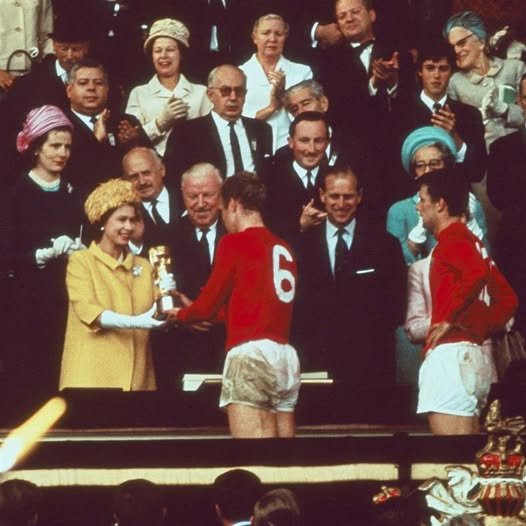
As for the 1966 FIFA World Cup itself, the tournament ended with England defeating West Germany 4-2 after extra time in the final to win the famous Jules Rimet Trophy. It remains England’s only FIFA World Cup title to this day. With the victory, England became the fifth nation to win the World Cup and only the third host country to achieve the feat after Uruguay in 1930 and Italy in 1934.
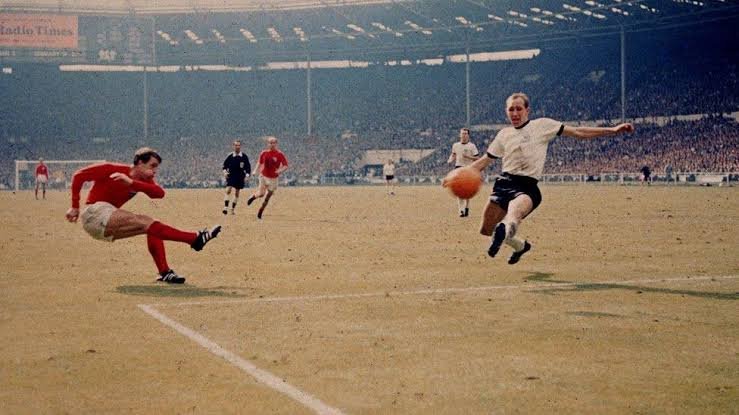
The final, played at Wembley Stadium, remains one of the most talked-about matches in football history. It was the first World Cup final to feature a hat-trick, scored by Geoff Hurst for England. However, the game is still surrounded by controversy because of England’s third goal, which was awarded despite long-standing debates over whether the ball had actually crossed the goal line.
More than half a century later, the 1966 FIFA World Cup is remembered not only for England’s triumph and Geoff Hurst’s heroics, but also for the historic boycott by Nigeria and other African nations. While England celebrated glory on home soil, Africa’s protest reshaped the future of global football and forced FIFA to finally recognise the continent’s rightful place at the World Cup.
Want to understand what really happened during Nigeria’s first military coup? Read A Carnage Before Dawn. It offers a carefully researched, vividly told account of January 15, 1966, through a storytelling style that will keep you glued to the book’s pages.
You can get the e-book here and the paperback here.
Love history? Don’t stop here.
📚 Get deeper insights by purchasing our latest history books.
📢 Join our WhatsApp Channel for exclusive updates and historical facts.
📩 Subscribe to our Newsletter and receive fascinating stories from history (World and African history) directly in your inbox.
🎥 Subscribe to our YouTube channel for engaging documentaries and short history videos.
Stay connected with us on social media for daily history content:
🔵Follow us on Facebook.
📸 Follow us on Instagram.
🐦Follow us on Twitter.
💼 Follow us on LinkedIn.
🎵 Follow us on TikTok.
❤️ Support our work by donating to HistoryVille and help us continue preserving and sharing important historical stories. 📢Advertise with HistoryVille to reach a growing audience passionate about history and culture.