
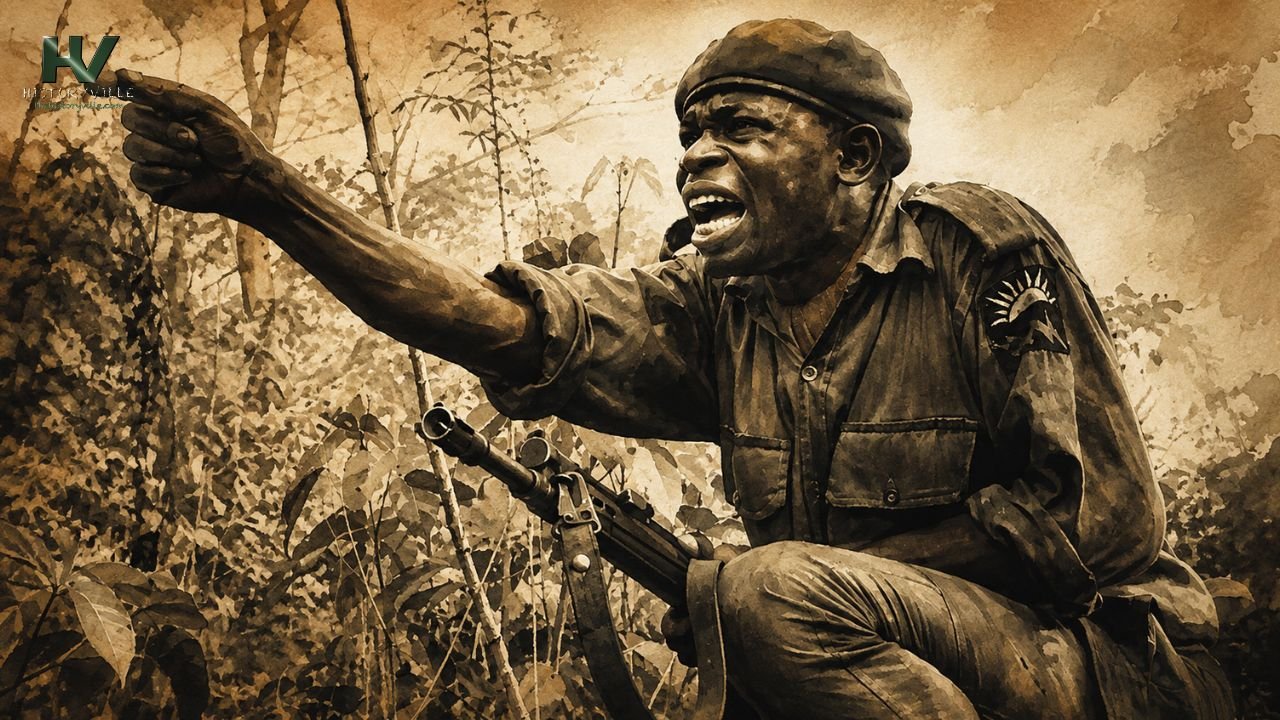

The Nigerian Civil War should not have been fought at all. It was a needless conflict that lasted nearly three years. What began as a political crisis eventually turned into a brutal war that claimed countless lives and displaced millions of people across Nigeria.
The first shot of the Nigerian Civil War was fired in present-day Cross River State at about 5:00 a.m. on July 6, 1967. Nigeria’s Head of State at the time, Lieutenant-Colonel Yakubu Gowon, described the military intervention as a “police action,” a term that understated the scale of the violence that followed. A year later, Gowon confidently declared that the war would end within four to eight weeks. Instead, the conflict dragged on for another 68 weeks, leading to thousands of deaths on both sides, over a million people displaced and the destruction of properties worth millions of pounds.
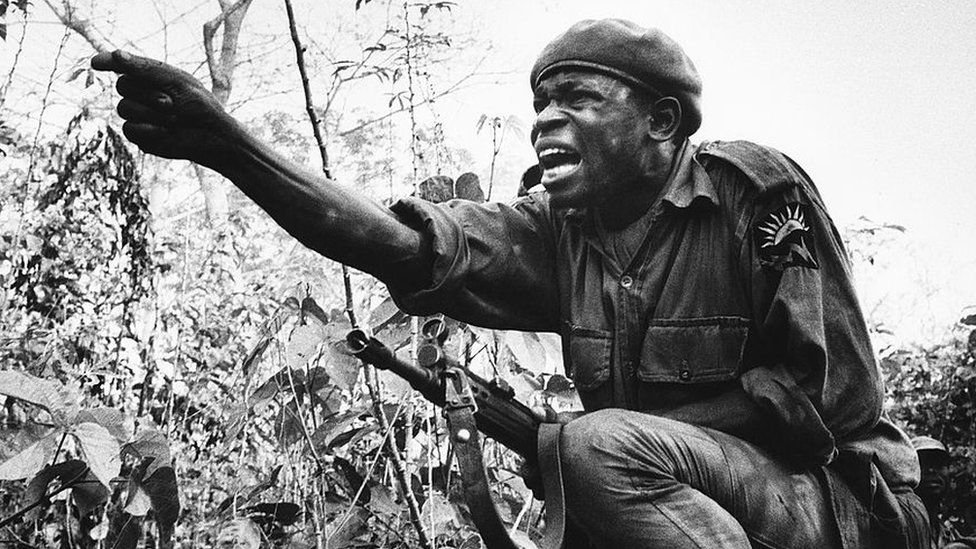
Although Gowon later described the end of the war as a “no victor, no vanquished” situation in January 1970, the issues that led to the Nigerian Civil War never completely disappeared. Ethnic mistrust, political tensions and feelings of marginalisation remained visible long after the guns fell silent. Nearly 60 years after the first shot was fired, the war is still remembered as a tragic and avoidable conflict — one that should never have happened at all, if dialogue, compromise and responsible leadership had prevailed over suspicion and confrontation.
Background
The effects of the Nigerian Civil War are still felt today, even by generations born long after the last shots were fired in January 1970. Although the conflict officially ended nearly 60 years ago, many of the political, ethnic and social tensions that contributed to the war continue to shape Nigeria’s national life. The war did not begin suddenly; rather, it emerged from a chain of historical and political events that gradually pushed the country towards division and violence. Understanding these root causes is important in finding lasting solutions to the challenges that still confront Nigeria.
Many historians trace the origins of Nigeria’s political instability to the amalgamation of the Northern and Southern Protectorates by the British on January 1, 1914. The creation of Nigeria brought together people of different ethnic groups, cultures and historical experiences under one colonial administration. While the amalgamation was intended to serve British administrative and economic interests, it also laid the foundation for future tensions rooted in ethnic rivalry, regional competition and political mistrust. Over time, these divisions encouraged tribalism, nepotism and fierce struggles for political power, eventually contributing to the collapse of the First Republic and the military coup of January 15, 1966.
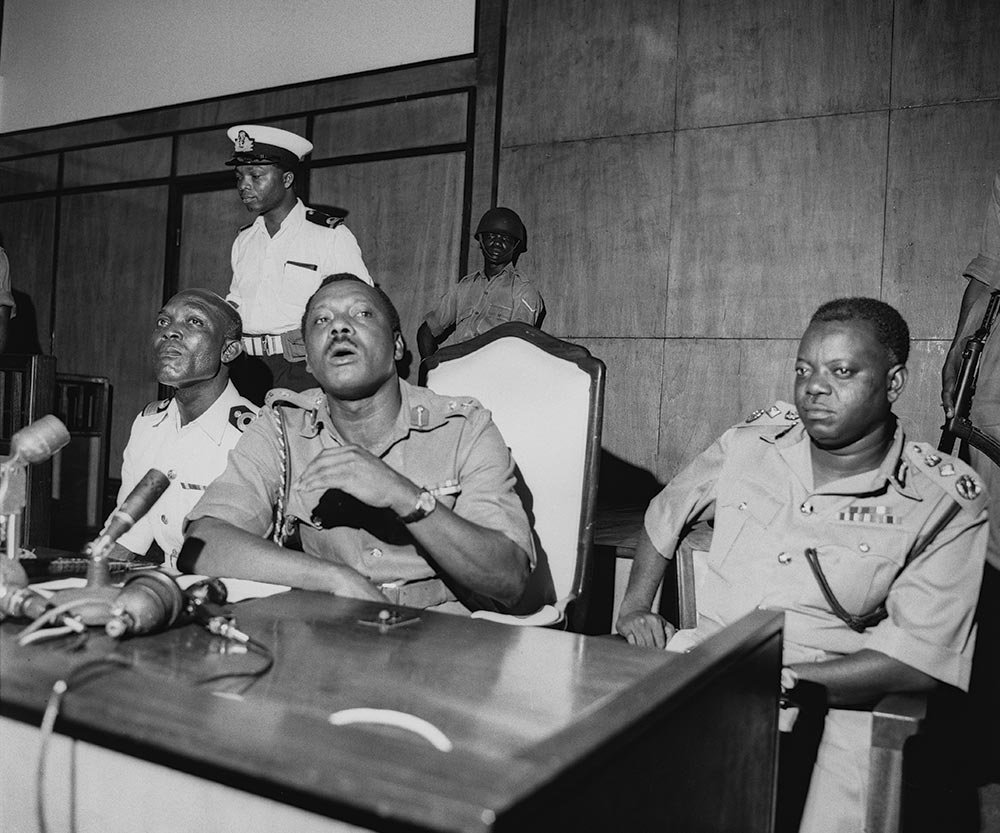
The January 1966 coup deepened suspicion within both the Nigerian Army and the wider society. Several prominent political leaders and senior military officers from the Northern and Western Regions were killed by a group of young army majors, many of whom were from the Eastern Region. This created the impression in some parts of the country that the coup had an ethnic agenda. Following the coup, Major-General Johnson Aguiyi-Ironsi, the most senior officer in the army, assumed power as Nigeria’s first military Head of State and suspended the constitution, bringing an end to the First Republic. However, Aguiyi-Ironsi’s failure to prosecute the coup plotters and reassure other regions heightened fears and resentment, especially in the North.
Just six months later, a countercoup took place in July 1966, leading to the assassination of General Aguiyi-Ironsi and several senior officers. Three days later, Lieutenant-Colonel Yakubu Gowon emerged as the new Head of State. The situation quickly deteriorated as thousands of Easterners, particularly Igbo people living in Northern Nigeria, became victims of widespread killings and violence. The massacres deepened the sense of insecurity and alienation in the Eastern Region, where Lieutenant-Colonel Chukwuemeka Odumegwu Ojukwu served as military governor. Ojukwu refused to recognise Gowon’s leadership, arguing that the safety and interests of Easterners could no longer be guaranteed within Nigeria.
As tensions increased, efforts were made to prevent a full-scale conflict. Ghana’s Head of State, Lieutenant-General Joseph Arthur Ankrah, hosted a peace meeting in Aburi, Ghana, in an attempt to resolve the crisis through dialogue. Although the Aburi meeting initially raised hopes for peace and compromise, disagreements over the implementation of the agreement soon destroyed the fragile trust between both sides, setting Nigeria on the path to civil war.
The Aburi Meeting
The Aburi meeting began on January 4, 1967, and lasted two days in the Ghanaian town of Aburi. More than a peace conference, it was a contest of strategy, intellect and political calculation between the leaders of the Federal Government and the Eastern Region. Ojukwu entered the talks determined to secure the interests and safety of the East following the massacres of the majority Igbo people in Northern Nigeria and the growing political crisis within the country.
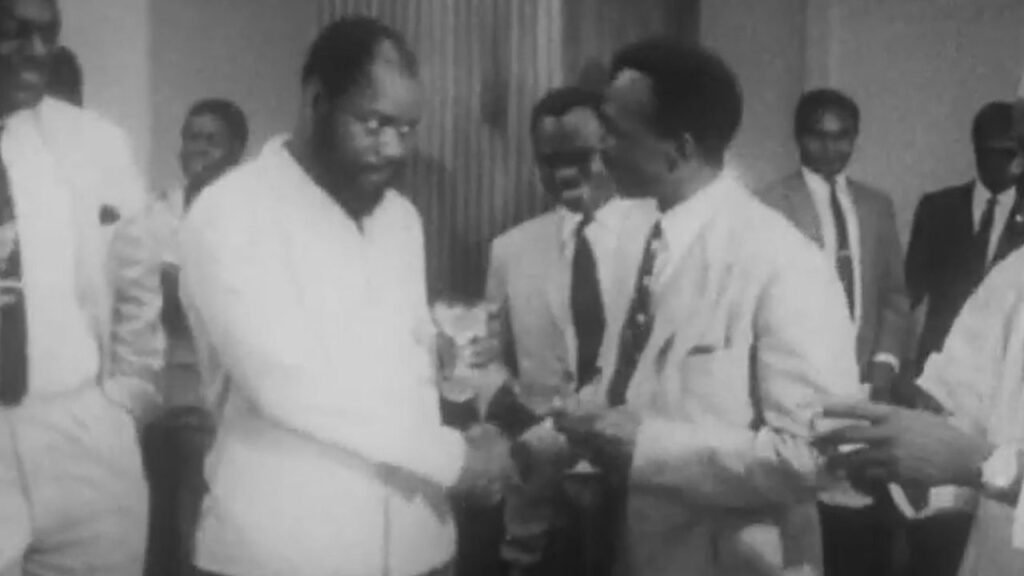
While Nigeria’s Head of State, Gowon, attended the meeting with limited legal and political support, Ojukwu arrived fully prepared with a strong team of advisers, secretaries and detailed documents. This gave the Eastern Region’s delegation a clear advantage during the negotiations. The agreements reached at Aburi reflected many of Ojukwu’s demands, particularly the principle of regional autonomy, which would grant considerable powers to the regions within a loose Nigerian federation. For Ojukwu, the accord represented both a political and tactical victory because it appeared to guarantee greater security and independence for the Eastern Region.
However, the optimism that followed the Aburi meeting quickly faded. When Gowon returned to Lagos, disagreements emerged over the interpretation and implementation of the accord. The Federal Government later stepped away from key aspects of the agreement, a move that Ojukwu viewed as a betrayal of the peace process. The collapse of trust between both sides further deepened tensions and pushed the country closer to conflict.
For nearly two months after the Aburi meeting, little progress was made towards resolving the crisis. Then, on May 27, 1967, Gowon announced the creation of 12 new states from Nigeria’s existing four regions. This decision significantly weakened the Eastern Region by reducing Ojukwu’s access to the sea and the oil-rich areas through the creation of East-Central State, Rivers State and South-Eastern State, with capitals in Enugu, Port Harcourt and Calabar, respectively. To Ojukwu and many Easterners, the move was seen as a direct attempt to isolate and weaken the region politically and economically.
Just three days later, on May 30, 1967, Ojukwu declared the independence of the Republic of Biafra from Nigeria. The Federal Government rejected the declaration, and on July 6, 1967, Gowon announced what he described as a “police action” to restore the authority of the Nigerian state. What followed was not a brief military operation, but a devastating civil war that lasted 30 months and caused immense suffering across the country.
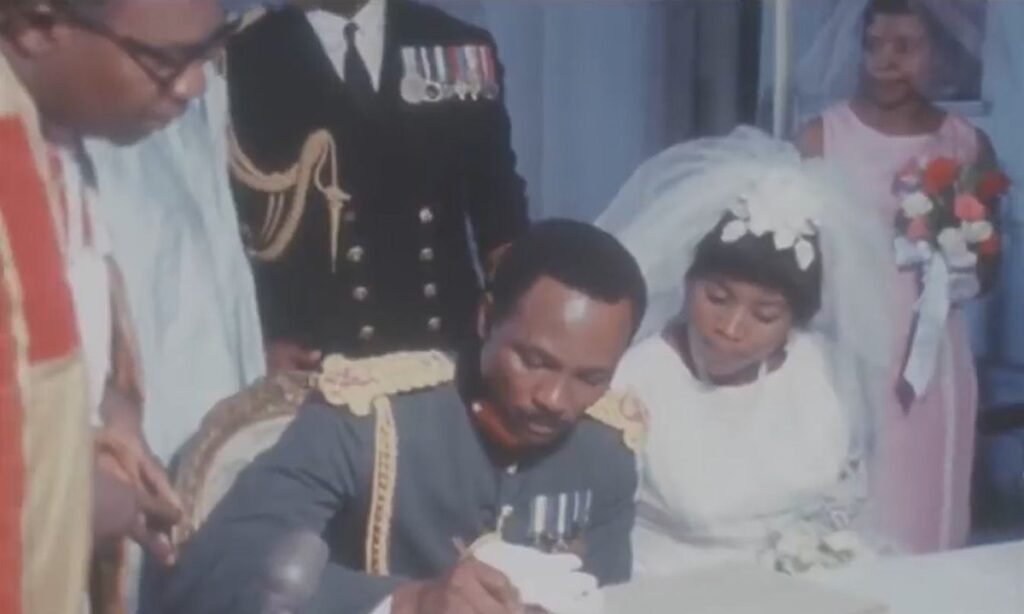
As the war turned against Biafra towards the end of 1969, Ojukwu fled into exile in the Ivory Coast on January 10, 1970. Five days later, his deputy, Major-General Philip Effiong, formally announced the surrender and dissolution of Biafra, bringing the Nigerian Civil War to an end on January 15, 1970.
The Nigerian Civil War as a Needless Conflict: Reflections and Lessons
Nearly six decades later, the Nigerian Civil War is widely remembered not as an unavoidable struggle, but as a needless conflict that could have been prevented through compromise, dialogue and responsible leadership.
One of the strongest arguments for describing the war as needless lies in the fact that the crisis did not emerge suddenly. Rather, it developed gradually through years of mistrust, political rivalry and poor leadership decisions. Nigeria’s colonial foundation itself created a fragile political structure. The amalgamation of the Northern and Southern Protectorates by the British in 1914 united peoples with different political traditions, cultures and religious backgrounds into one state without building a strong sense of national identity.
Instead of promoting unity after independence in 1960, political leaders often deepened ethnic and regional divisions in their struggle for power. Electoral violence, corruption and fierce regional competition weakened the First Republic and created an atmosphere of instability that eventually invited military intervention.
The tragedy of the Nigerian Civil War lies not only in its outbreak but also in its devastating humanitarian consequences. Civilians suffered enormously throughout the conflict. Entire towns and villages were destroyed, while millions of people became refugees within their own country. Starvation emerged as one of the deadliest weapons of the war, particularly in Biafra, where economic blockades and food shortages led to widespread famine. Images of starving children with swollen bellies shocked the international community and transformed the war into one of the 20th century’s worst humanitarian disasters.
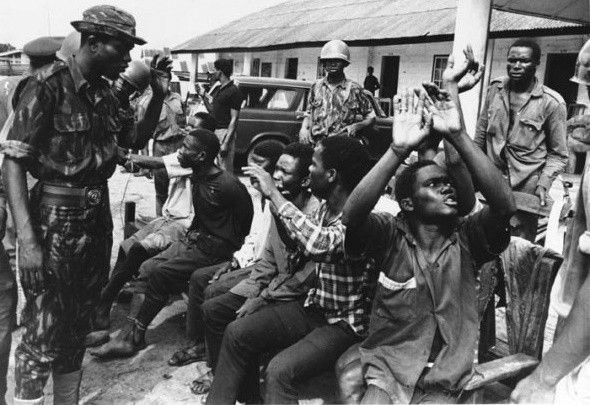
The war also produced long-term political consequences for Nigeria. One major outcome was the strengthening of military influence in governance. The success of the Federal Military Government reinforced the belief that national unity could be maintained through military force rather than democratic negotiation. As a result, military rule dominated Nigerian politics for much of the period between 1966 and 1999. The war also deepened centralisation within the Nigerian state, particularly in the control of resources and political power. Many of the debates surrounding restructuring, federalism and resource control in contemporary Nigeria are rooted in unresolved issues from the civil war era.
Economically, the Nigerian Civil War was equally destructive. Resources that could have been invested in education, healthcare, industrialisation and infrastructure were diverted towards military expenditure. The Eastern Region, in particular, experienced widespread devastation after the war, with many communities struggling to recover from the destruction of homes, businesses and public institutions. Although Gowon introduced a policy of “Reconstruction, Rehabilitation and Reconciliation” after the war, many former Biafrans believed that reintegration into Nigerian society remained incomplete. Policies such as the twenty-pound compensation given to many Easterners regardless of their previous bank savings increased feelings of injustice and marginalisation.
The Nigerian Civil War also offers important lessons about leadership and the dangers of political extremism. Both the Federal Government and the Biafran leadership made decisions that escalated tensions instead of reducing them. Political pride, distrust and rigid positions prevented meaningful compromise at crucial moments. The conflict showed how leaders can become trapped by emotions, regional loyalties and the desire to maintain political authority even when peaceful alternatives remain possible. The inability of Nigerian leaders to prioritise dialogue over confrontation ultimately pushed millions of innocent people into suffering.
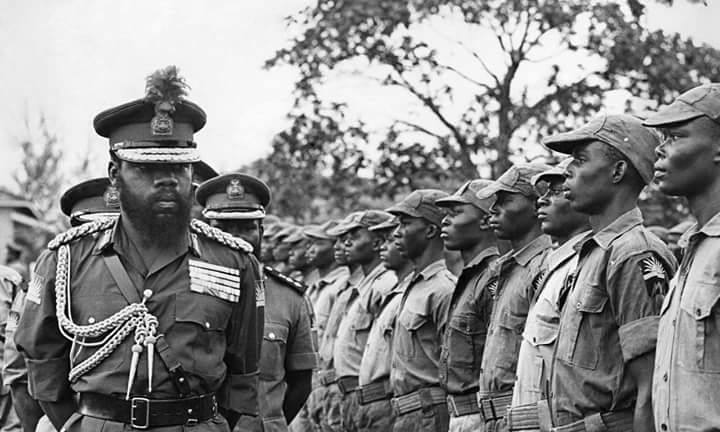
Despite the suffering caused by the war, it also created opportunities for reflection and national learning. The phrase “no victor, no vanquished,” declared by Gowon at the end of the conflict, reflected an attempt to promote reconciliation and prevent further division. While many Nigerians questioned how successful this policy truly was, it nevertheless demonstrated an understanding that sustainable peace requires healing rather than revenge. The survival of Nigeria after such a destructive conflict also showed the resilience of ordinary Nigerians and their desire for national stability.
Nearly 60 years later, the Nigerian Civil War continues to cast a long shadow over Nigeria. Secessionist agitations, debates over restructuring and complaints of marginalisation show that many of the issues that contributed to the conflict remain unresolved. Remembering the war as a needless conflict is, therefore, not simply about revisiting the past; it is about learning from history in order to avoid repeating its mistakes. The war demonstrated that violence rarely provides lasting solutions to political problems. Instead, genuine peace can only be achieved through justice, fairness, dialogue and responsible leadership.
The Nigerian Civil War was a tragedy that should never have happened. The conflict was not inevitable, nor was it beyond resolution. Opportunities for compromise existed at several stages, but fear, mistrust and political miscalculations destroyed those opportunities.
The Way Forward
Today, Nigeria still faces many of the challenges that contributed to the Civil War. Ethnic mistrust, political exclusion, insecurity, and uneven development continue to shape national discussions. If Nigeria is to avoid repeating the mistakes of the past, the country must confront these issues honestly and courageously. The way forward lies in justice, dialogue, inclusion and responsible leadership.
One important step towards national healing is the promotion of genuine national reconciliation. Although the war officially ended in 1970, many Nigerians still feel that the wounds of the conflict were never fully addressed. The government and political leaders must, therefore, create more opportunities for open conversations about the war, its causes and its consequences. Rather than avoiding the subject, Nigeria should encourage historical education, public dialogue and memorial initiatives that honour victims on all sides. A nation that refuses to confront its past will struggle to build a united future.
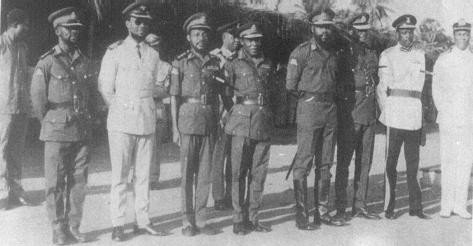
From left to right: Colonel E. Udeaja (parade commander), Wing Commander W. Ezeilo (Air Force Commander), Colonel S. Ogunewe (Military Aide to the Head of State), Major-General P. Efiong (Chief of Defence Staff), General O. Ojukwu (Head of State), Major-General A. Madiebo (Commander of the Biafran Army), Mr P. Okeke (Inspector General of Police) and Captain F. Anuku (Commander of the Biafran Navy).
Another major solution lies in strengthening true federalism and ensuring fairness in governance. One of the major grievances before the war was the fear of domination and marginalisation by different regions. Even today, many Nigerians believe that political and economic power remains too concentrated at the centre. A more balanced federal structure that gives states greater control over their resources and development may reduce tensions and promote a stronger sense of belonging among the various ethnic groups. National unity can only survive when citizens feel included, respected, and fairly treated regardless of their region or ethnicity.
Nigeria must also address the problem of ethnic and tribal politics. Political leaders often exploit ethnic divisions for personal or political gain, thereby weakening national cohesion. The country needs leaders who see themselves first as Nigerians rather than representatives of narrow ethnic interests. Educational institutions, religious organisations and the media also have important roles to play in promoting tolerance, patriotism and peaceful coexistence among Nigerians.
Economic justice and development are equally essential for long-term peace. Poverty, unemployment and inequality continue to fuel frustration and resentment across different parts of the country. The government must invest more seriously in education, healthcare, infrastructure and job creation, especially in regions that feel neglected or underdeveloped. Development should not favour one part of the country at the expense of another. A fairer distribution of opportunities and resources will help strengthen national stability.
The protection of human rights and the rule of law must also remain central to Nigeria’s future. One of the major failures before the Civil War was the inability of the state to protect innocent civilians from violence and discrimination. Nigerians must have confidence that the government will guarantee their safety regardless of their ethnic, religious or political identity. Security agencies should operate professionally and fairly, while acts of violence, injustice and discrimination must be punished without bias.
Finally, the greatest lesson of the Nigerian Civil War is that dialogue is always better than violence. Political disagreements are inevitable in every society, but they should never be allowed to degenerate into bloodshed. Leaders must learn to resolve conflicts through negotiation, compromise and mutual understanding rather than threats and force. The future of Nigeria depends not only on political power or military strength, but on the ability of its people to live together in peace despite their differences.
The Nigerian Civil War should, therefore, serve as both a warning and a lesson. It reminds Nigerians of the terrible consequences of division, hatred and failed leadership. At the same time, it offers an opportunity to build a more just, united, peaceful, and virile nation where such a tragedy will never happen again.
Want to understand what really happened during Nigeria’s first military coup? Read A Carnage Before Dawn. It offers a carefully researched, vividly told account of January 15, 1966, through a storytelling style that will keep you glued to the book’s pages.
You can get the e-book here and the paperback here.
Love history? Don’t stop here.
📚 Get deeper insights by purchasing our latest history books.
📢 Join our WhatsApp Channel for exclusive updates and historical facts.
📩 Subscribe to our Newsletter and receive fascinating stories from history (World and African history) directly in your inbox.
🎥 Subscribe to our YouTube channel for engaging documentaries and short history videos.
Stay connected with us on social media for daily history content:
🔵Follow us on Facebook.
📸 Follow us on Instagram.
🐦Follow us on Twitter.
💼 Follow us on LinkedIn.
🎵 Follow us on TikTok.
❤️ Support our work by donating to HistoryVille and help us continue preserving and sharing important historical stories. 📢Advertise with HistoryVille to reach a growing audience passionate about history and culture.