
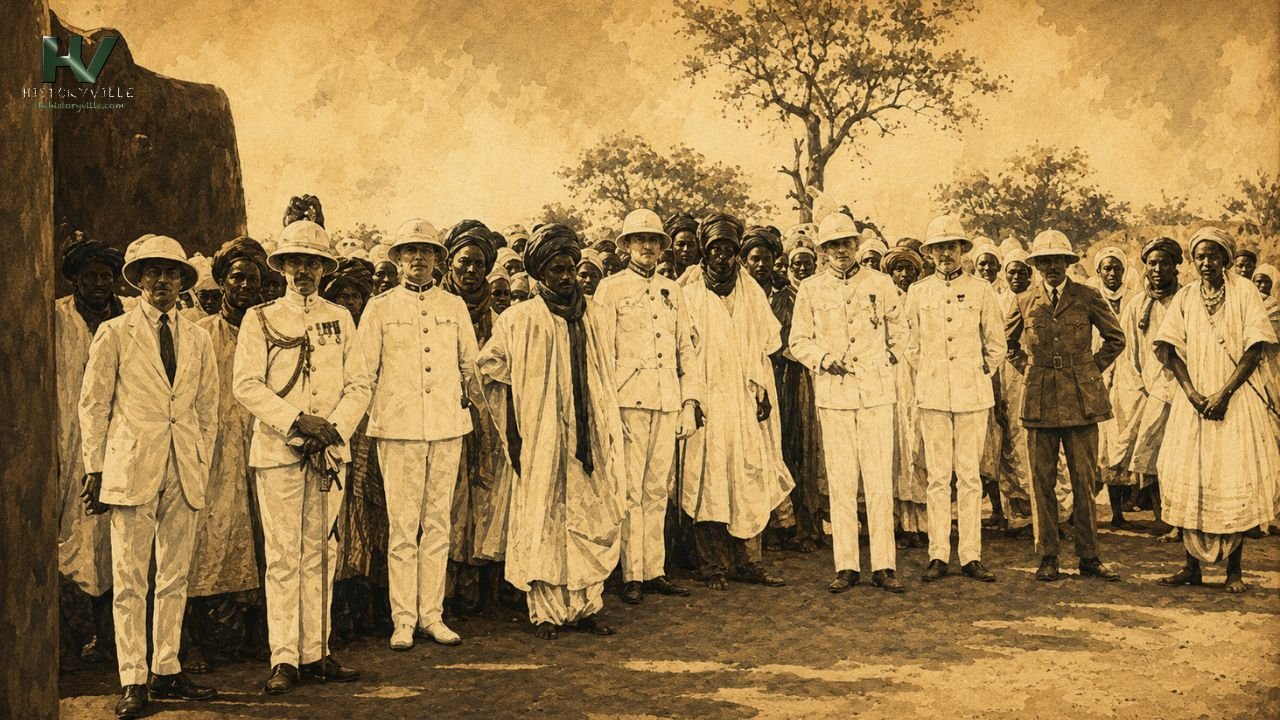

Indirect Rule was a system of governance that was predominantly used by Britain to govern pre-existing power structures in colonial Africa. The French used Direct Rule.
In this article, we shall learn what indirect rule is. How and why the British used indirect rule to govern Nigeria. The features of indirect rule in Northern and Southern Nigeria, and, of course, the advantages and disadvantages of Indirect Rule.
What is Indirect Rule?
The indirect rule system in Nigeria was introduced by the country’s first Governor-General, Lord Frederick Lugard, who felt that the country, being very big and vast, would be impossible to handle if the British ruled directly. Lugard introduced the indirect rule system around 1906 when he was the High Commissioner of the Northern Provinces of Nigeria.

Hence, he employed the services of traditional rulers, with their traditional political system, who would rule their areas but be subject to the orders of the British administration.
Indirect rule operated thus; the British governance made the traditional rulers intermediaries between them and the people and allowed the people to retain their cultures. They did this to ensure that the people saw them less as intruders but as partners with the traditional institutions already in place.
It is important to note that they only did this regarding chiefs that welcomed them with open arms. Others who did not were either banished or killed and then replaced.
Indirect Rule in Northern Nigeria
In the north, the political administration system was highly centralised, and it had the full cooperation of the people. There was also a tax system already in place. Hence, it was easier for indirect rule to thrive there. The Northern Province was divided into six provinces headed by a British official known as the Resident Commissioner. The provinces were further divided into districts that were headed by an official known as the District Commissioner.
Some of the factors that contributed to the success of indirect rule in Northern Nigeria are:
1. The use of the existing traditional administration, which was centralised.
2. The submissiveness of the people, as the emir was the absolute ruler. An autocrat whom the people revered. The only change was that the emirs became answerable to the British officials.
3. The Islamic Religion, which recognises obedience to traditional rulers, and finally…
4. A well-organised system of taxation, as the money generated from the taxes was used for the running of the government by the British.
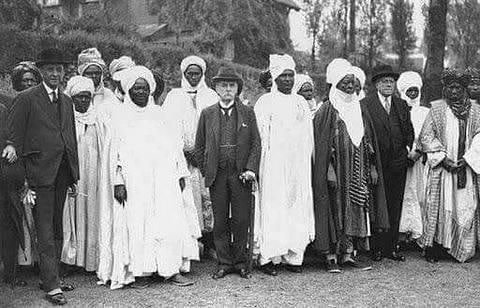
As a result of these factors, Indirect Rule thrived in Northern Nigeria, and governance was pretty much straightforward.
However, in the South, it was a little bit complicated. Southern Nigeria was not as homogeneous as the North. It was divided mainly into the West and East. So, how was the indirect rule in these regions?
Indirect Rule in Southern Nigeria
East
In the east, there was no centralised system of governance. Every man was a king in his own home. With the introduction of indirect rule in Nigeria, warrant chiefs, like Ahebi Ugbabe, were introduced to rule instead and collect taxes on behalf of the British. This development was met with great resistance from the people as they did not see a reason to have a ruler. This resistance would later lead to a protest from the women in 1929.
West
The West, on the other hand, was on a middle ground. Indirect rule was partially successful due to the checks and balances inculcated in their political system. The Yoruba Obas were not absolute like in the North; thus, they were accountable to their people. However, one thing in favour of the indirect rule present in the Yoruba administration was the payment of taxes. The Yoruba people were already used to paying taxes, unlike in the East, where the people were not comfortable with it.
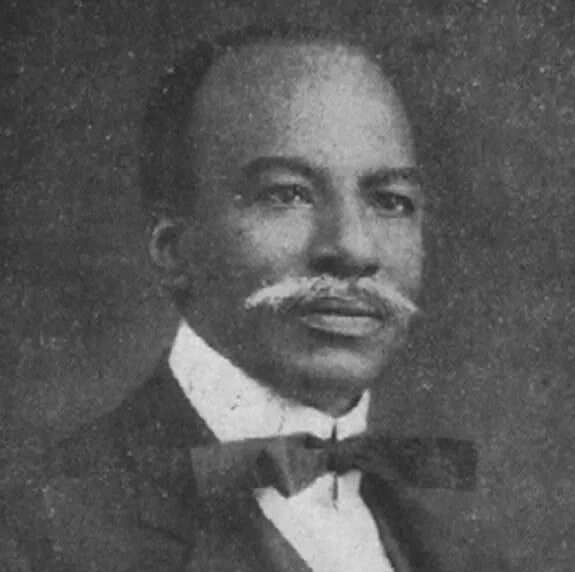
The major failure of the indirect rule in the West was that the Obas were devoid of Western education and did not understand the English language. The British used this to their advantage in signing treaties in a language they didn’t understand. However, some educated Yorubas, like Herbert Olayinka Macaulay, opposed indirect rule and fought for nationalism.
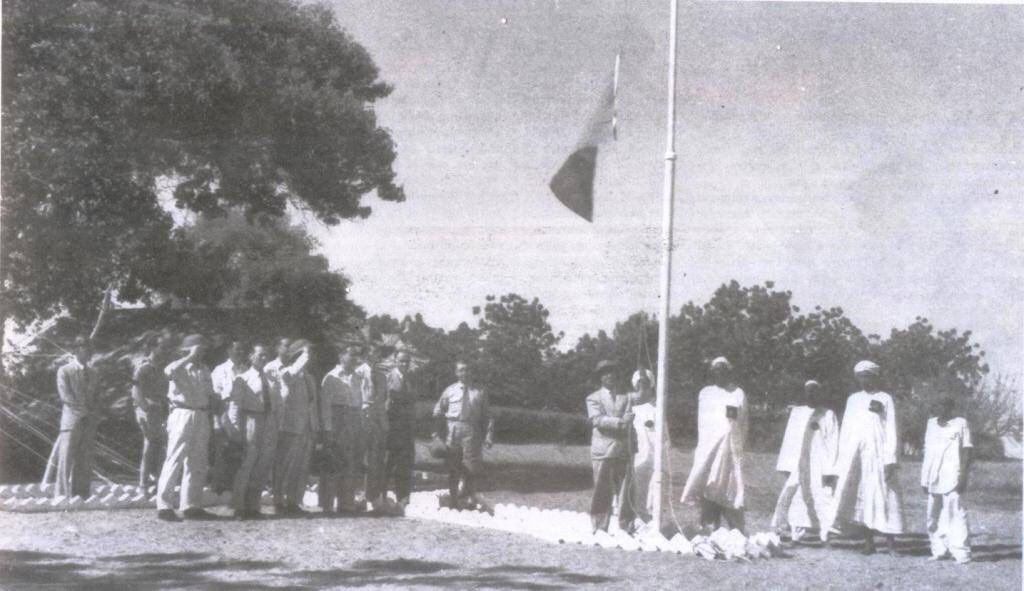
So, why did the British introduce indirect rule in Nigeria?
Reasons for Indirect Rule in Nigeria
Due to a lack of adequate personnel, the British administration could not rule directly in Nigeria due to the vastness of the land and the population of the people. If, peradventure, an insurrection should occur, the British may not have the manpower to suppress it.
The colonialists also did not understand the local languages spoken in Nigeria, as they varied from place to place. And there was a need to communicate with the people if their rule was going to be a success. Hence, indirect rule needed only a few interpreters to communicate with the rulers.
Finally, a lack of finance and the need to preserve traditional institutions to gain the people’s favour were other reasons for indirect rule in Nigeria. In addition, it was easier to rule the people through these traditional institutions.
Now, let’s take a look at some of the advantages and disadvantages of indirect rule in Nigeria.
Advantages of Indirect Rule
1. The traditional mode of operation was modernised, and new policies were adopted to administer the governance of the localities.
2. A lot of the traditional practices which were inhumane and wrong were criminalised and stopped.
3. Indirect rule was way cheaper than direct rule, as finances were not enough to employ officials who would aid in the ruling full-time. Plus, there would be a provision for accommodation, feeding, and other essentials.
4. The British colonialists did not replace the culture of the people with theirs, but instead used this to their benefit, enabling and developing the trust of the people.
5. The traditional chiefs were recognised and given prominence and respect. They did this to acquire the trust of the people. However, traditional rulers who refused to work for the British, like Jaja of Opobo and Nana Olomu, were either removed or killed. It is pertinent to note that these rulers were only stooges and employees of the British administration. They had no absolute authority.
Disadvantages of Indirect Rule
1. The chiefs became autocratic, greedy, and ruthless, as the system placed more power than the traditional system had deposited in them.
2. The British needed the ignorance and timidity of the rulers and used this to their advantage. Hence, the elites and the educated members of the society were sidelined for fear that they would question certain policies.
3. The chiefs were caught between serving the people as their representatives and obeying the British administration. They mostly preferred the latter to the former, and it led to clashes between these chiefs and their people, especially in the east.
4. Finally, the chiefs and emirs, due to the benefits and autocratic model of governance they enjoyed, contributed mainly to the delay in the constitutional development advocated for by the early nationalists.
In summary, indirect rule was a system of government where existing tribal structures and traditions were used as channels for establishing rules and regulations while the British officials worked behind the scenes and could exercise veto power. In some cases, the British designated a person to act as “chief” in settings where there was no clear hierarchical structure in place.
Want to understand what really happened during Nigeria’s first military coup? Read A Carnage Before Dawn. It offers a carefully researched, vividly told account of January 15, 1966, through a storytelling style that will keep you glued to the book’s pages.
You can get the e-book here and the paperback here.
Love history? Don’t stop here.
📚 Get deeper insights by purchasing our latest history books.
📢 Join our WhatsApp Channel for exclusive updates and historical facts.
📩 Subscribe to our Newsletter and receive fascinating stories from history (World and African history) directly in your inbox.
🎥 Subscribe to our YouTube channel for engaging documentaries and short history videos.
Stay connected with us on social media for daily history content:
🔵Follow us on Facebook.
📸 Follow us on Instagram.
🐦Follow us on Twitter.
💼 Follow us on LinkedIn.
🎵 Follow us on TikTok.
❤️ Support our work by donating to HistoryVille and help us continue preserving and sharing important historical stories. 📢Advertise with HistoryVille to reach a growing audience passionate about history and culture.
This article was sent in by Edeh Samuel Chukwuemeka, a web developer and a law student at the University of Nigeria, Nsukka. Edeh is also the founder of Bscholarly, an online resource centre created to help students all over the world in their academic pursuits.