

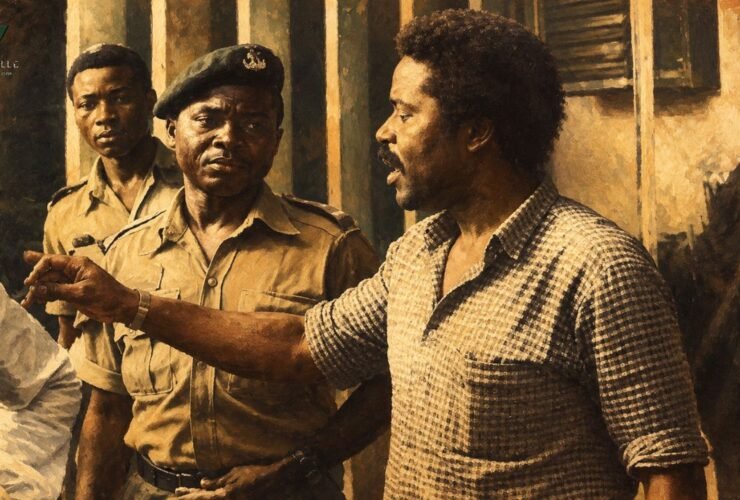
Dele Giwa’s assassination on Sunday, October 19, 2026, remains one of the most disturbing unresolved killings in Nigeria’s contemporary history.
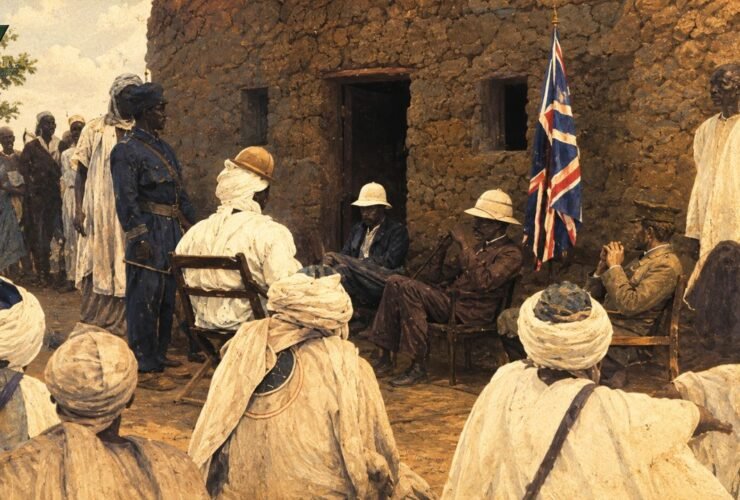
Before the introduction of Indirect Rule, British involvement in Nigeria began mainly through trade along the coastal areas.
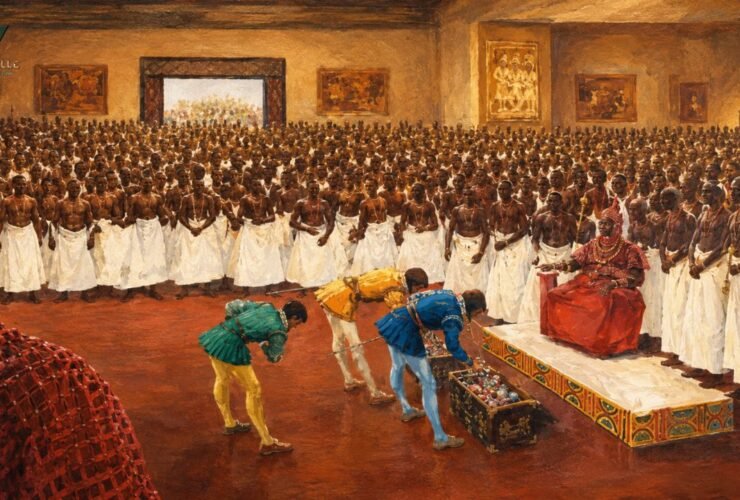
Portugal, a relatively small European kingdom, reached the coast of what is now Nigeria centuries before Britain established colonial rule there.
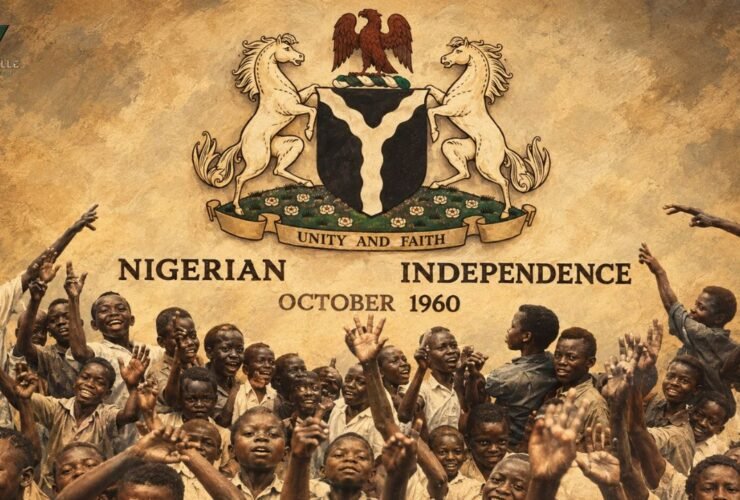
October 1 has never been a static celebration; it has shifted with Nigeria’s fortunes. It has been a day of joy, sorrow, pride, protest, and reflection.
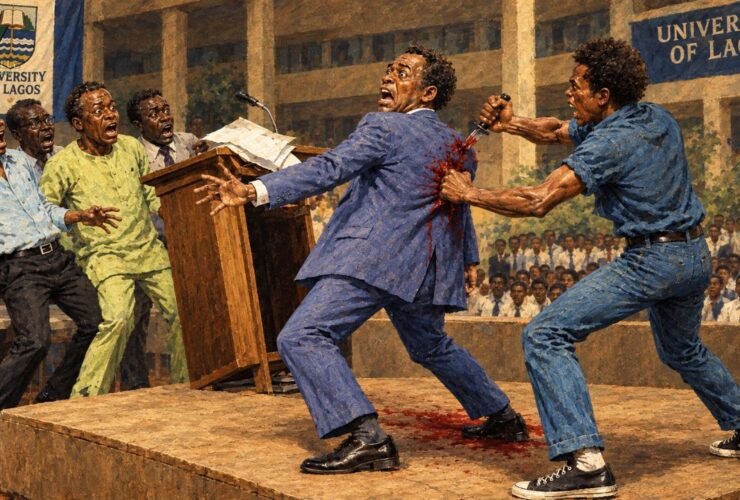
Within days of assuming office, Saburi Biobaku was stabbed in the back by a student with a knife. The attack nearly cost the new Vice-Chancellor his life...
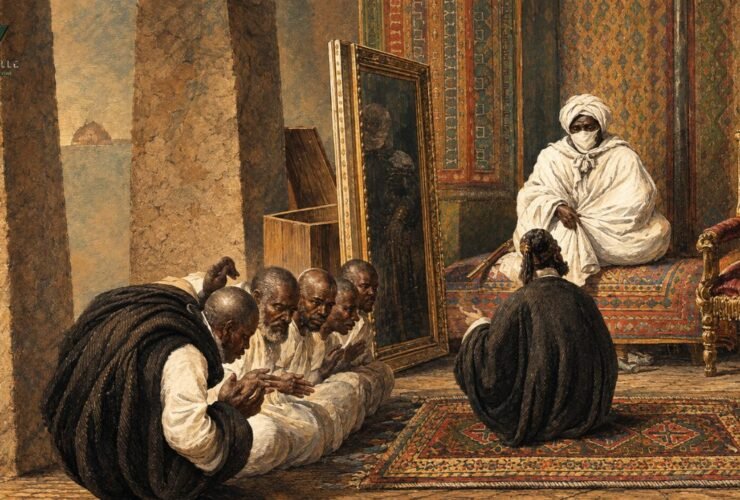
The Shehus carried on the legacy of the Mais to keep Borno alive at a time when many African states were falling to foreign invasion or internal collapse.
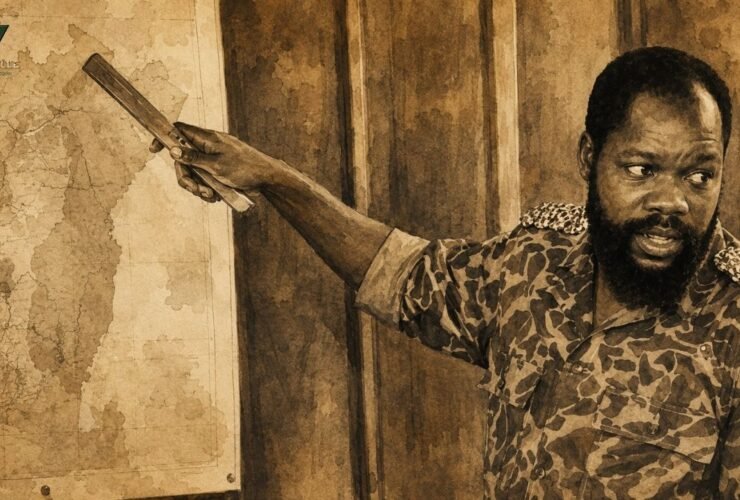
Ojukwu’s action raised a deep question – the Biafran Question – that would lead to a long historical and political crisis until January 15, 1970.
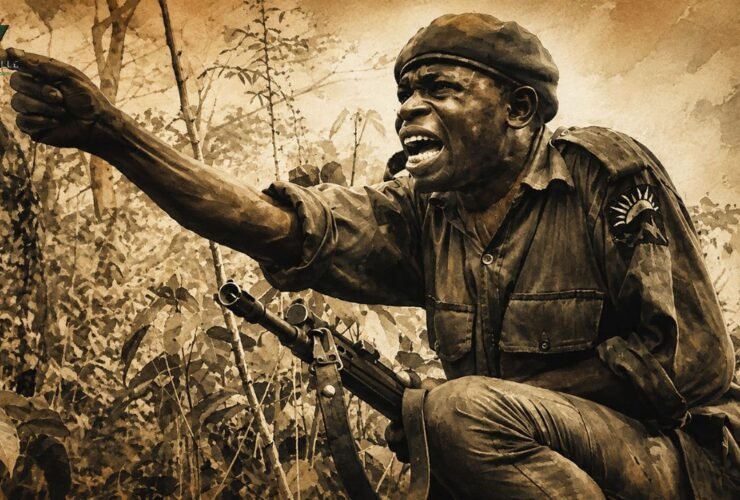
The Nigerian Civil War should not have been fought at all. It was a needless conflict that lasted nearly three years...
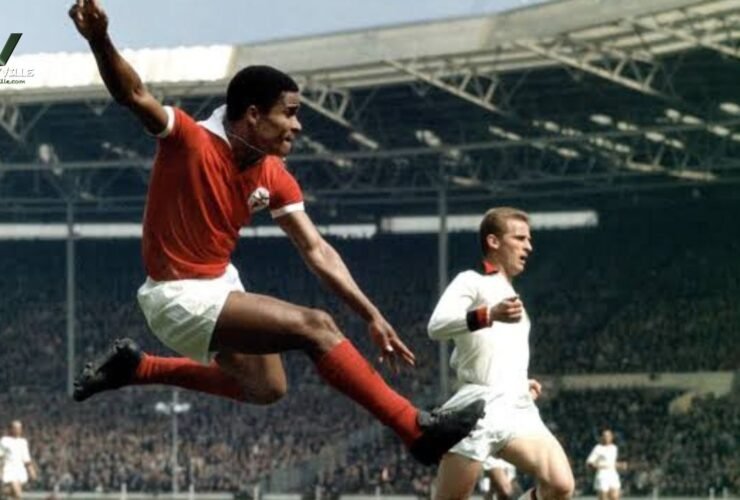
The Green Eagles of Nigeria and 14 other African countries boycotted the 1966 FIFA World Cup which was hosted in England...
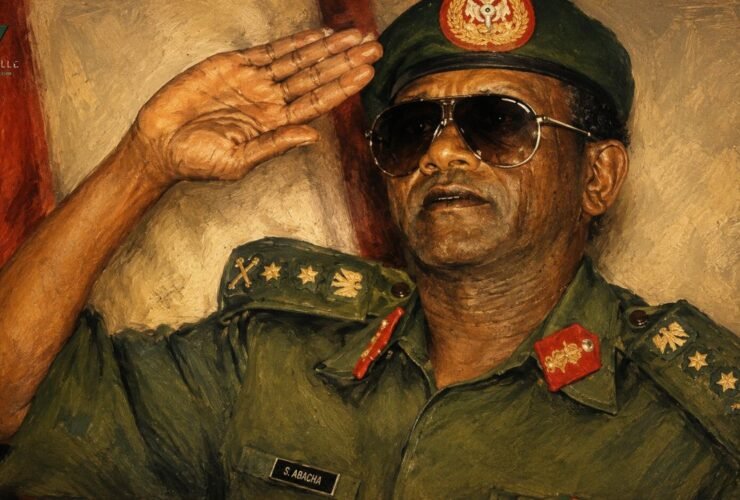
Sani Abacha's death remains one of the most debated events in Nigerian history. Official accounts attributed his passing to a sudden heart attack...
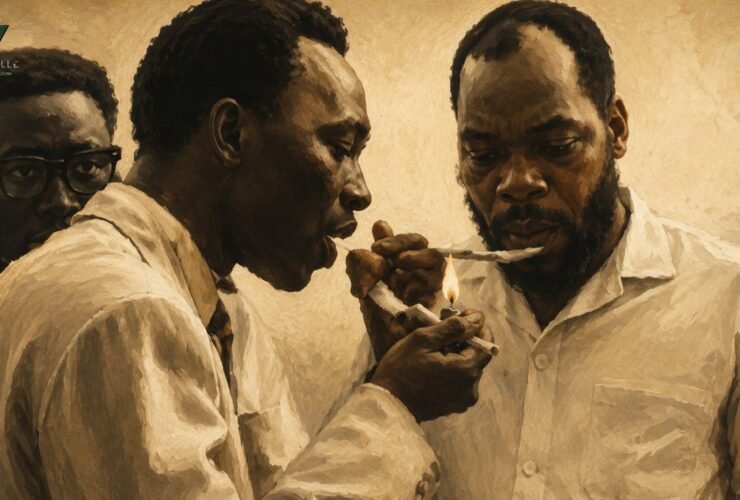
Was the Aburi Accord Emeka Ojukwu's last attempt to preserve Nigeria? Or was he a determined Biafran separatist regardless of the outcome?
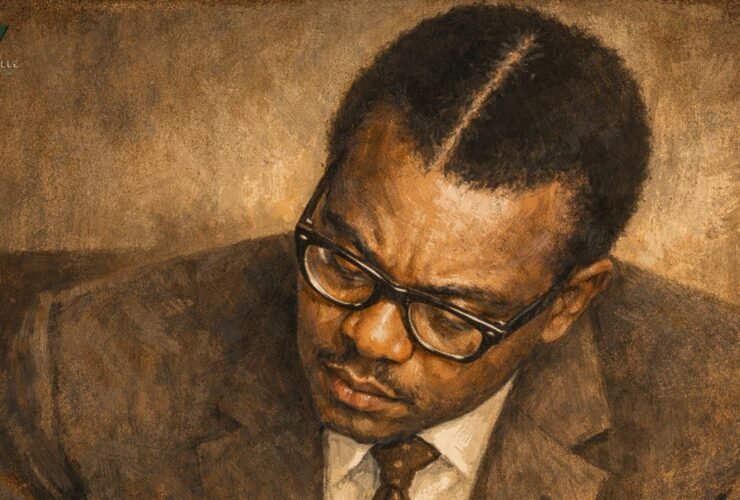
A combination of political, social, and regional factors led to the Northern rejection of Anthony Enahoro's 1953 motion for Nigeria's independence.
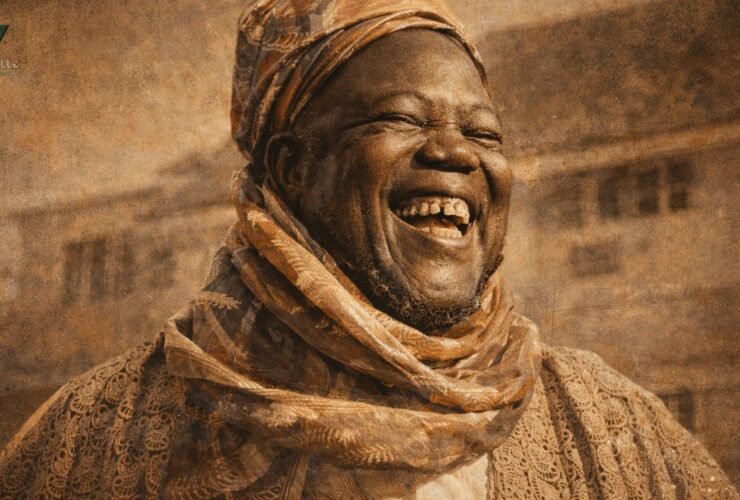
For more than 10 years, Sir Ahmadu Bello, the Sardauna of Sokoto, served as the first and only Premier of the Northern Region of Nigeria.
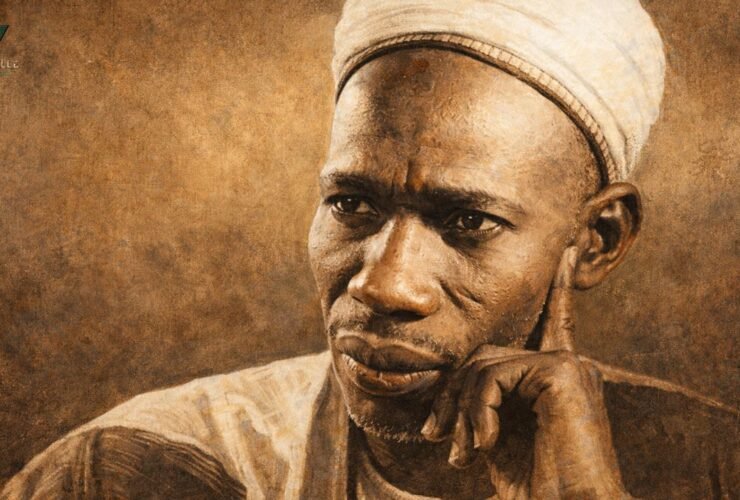
On January 15, 1966, Prime Minister Tafawa Balewa was abducted and later killed. The situation surrounding his death remains a mystery.
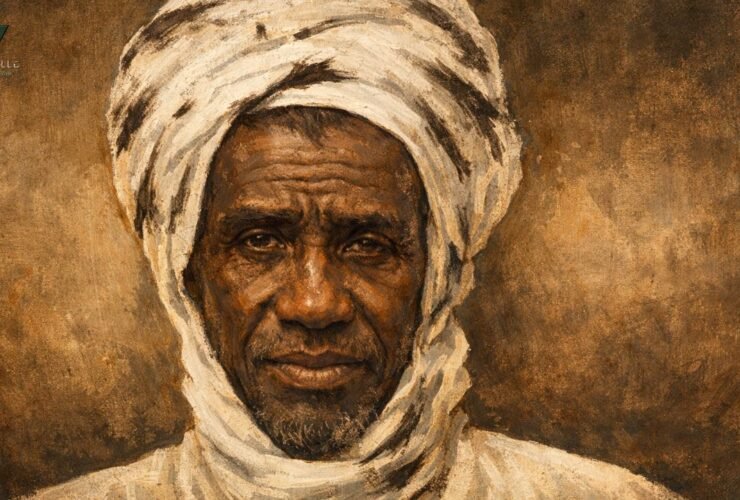
Unveiling the 10 richest men in colonial Nigeria who rose to power and prominence long before the country's independence on October 1, 1960.

Within the Ifeajuna-Nzeogwu coup of January 15, 1966, there was another coup – the Aguiyi-Ironsi coup of January 16, 1966.
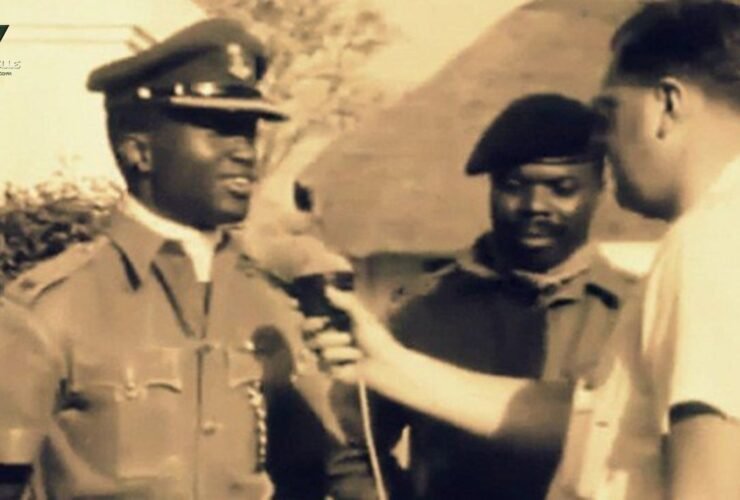
On the morning of January 15, 1966, Nigeria woke to a sudden end to its short experiment with civilian rule.
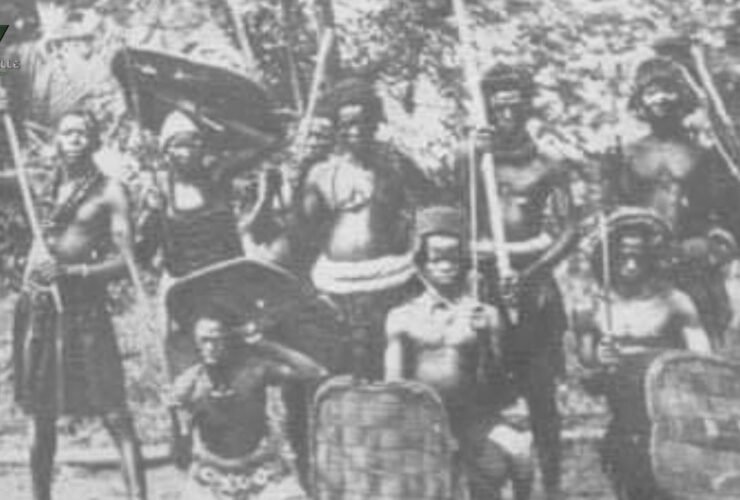
The decentralised governance system that shaped non-centralised states in pre-colonial Nigeria differed from the centralised one...
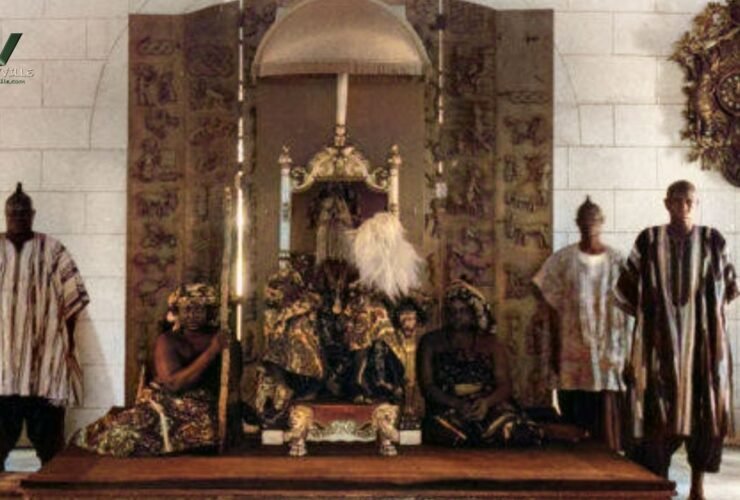
To put it simply, Centralised States, as the name implies, are states with a central ruling or governing authority.
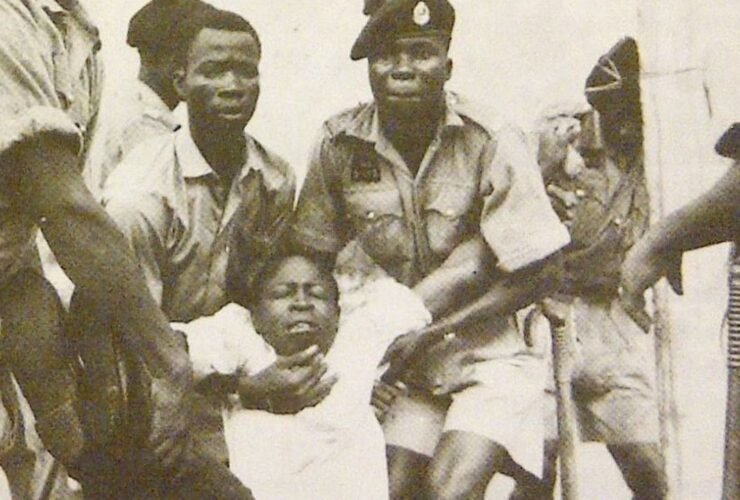
Operation Wetie came from the Yoruba expression, which means “drench it.” It became a grim command: drench your enemy in petrol and set him ablaze.