
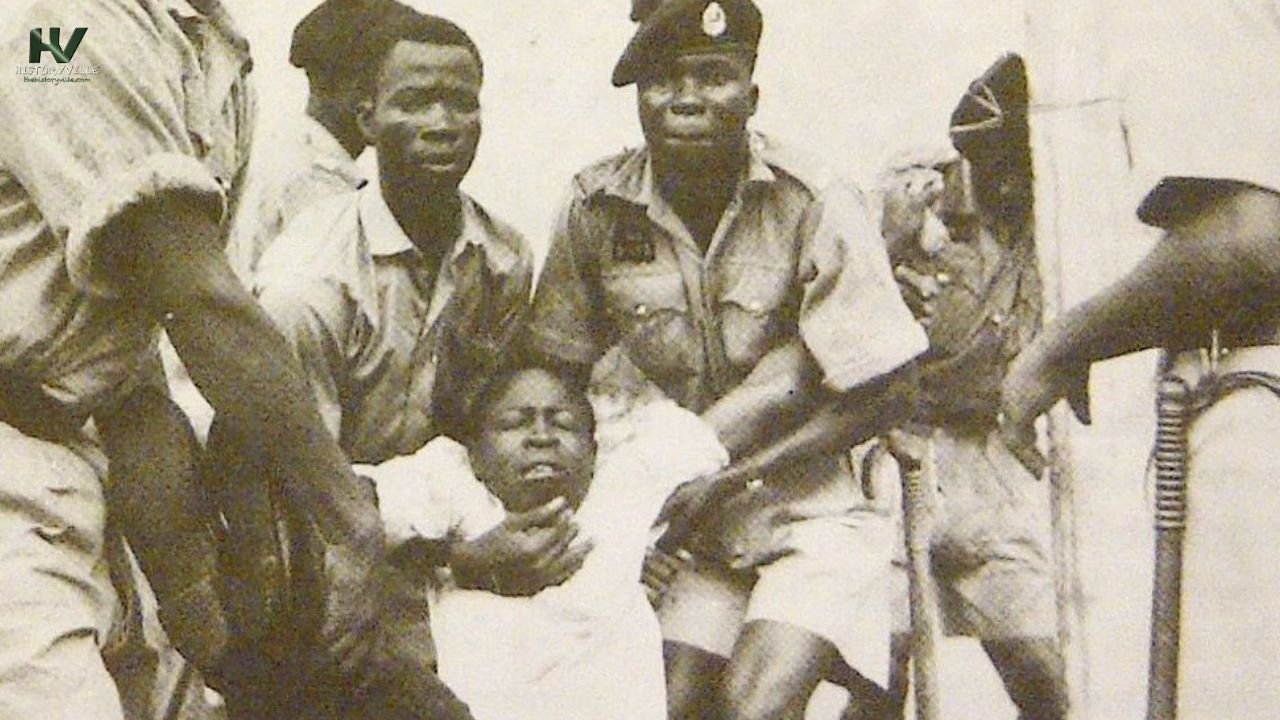

Between October 1965 and January 1966, the Western Region of Nigeria, once the pride of Africa’s new democracy, went up in flames. That dark period became known as Operation Wetie, when political opponents drenched one another in petrol and set themselves ablaze. A destruction of lives and property.
It began as an election, but it ended as a conflict of brothers against brothers, neighbours against neighbours, and friends against friends.
What happened in the Western Region was more than a regional crisis. It was the spark that opened the gates for the soldiers to march in, who ended Nigeria’s First Republic.
Sixty years later, we recount the full story of the Operation Wetie crisis.
The Calm Before the Crisis
To understand how the crisis started, one must go back a few years earlier. The Western Region was once the pride of Nigeria, governed by the brilliant Chief Obafemi Awolowo under the Action Group party. His government had given the region free education and progressive reforms that impressed even the colonial administrators.
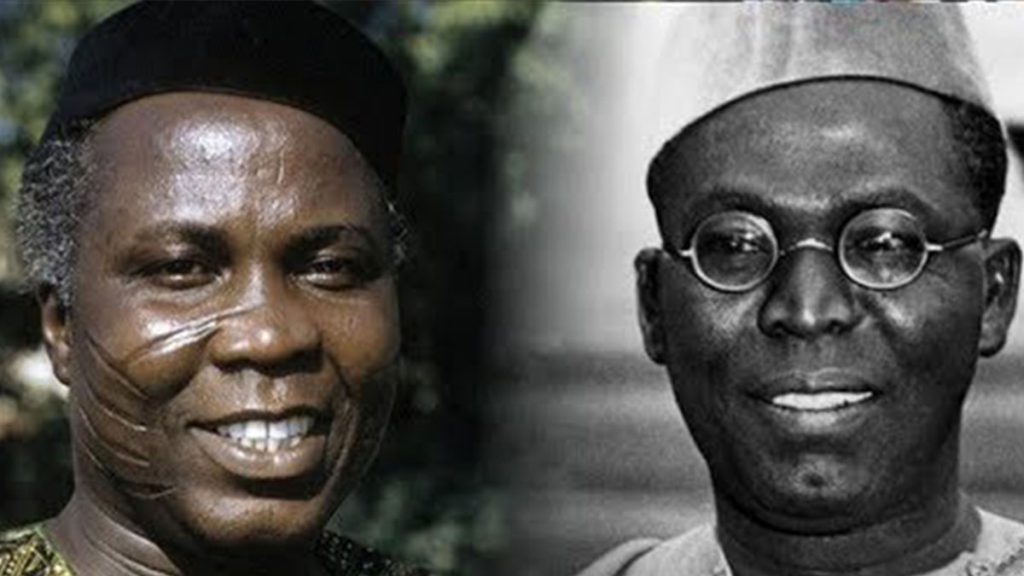
But success bred rivalry. Awolowo’s deputy, Chief Samuel Ladoke Akintola, grew apart from him. They were once allies, but politics turned friendship into enmity. Akintola believed Awolowo’s radical opposition to the central government was too confrontational. Awolowo, in turn, accused Akintola of betrayal.
By the early 1960s, their feud had divided the region into two bitter camps: those loyal to Awolowo’s Action Group and those who followed Akintola’s newly formed Nigerian National Democratic Party (NNDP).
The Election That Broke the West
By October 1965, the Western Region was boiling. The regional election that year was meant to restore order, but it did the exact opposite. Reports of rigging, intimidation, and violence spread like wildfire. Ballot boxes disappeared, and thugs chased away voters.
When the results were announced, Akintola’s NNDP was declared the winner, and the people lost their patience. To them, the election had been stolen in broad daylight.
Streets filled with angry protesters. Mobs shouted for justice. But what followed was not a protest; it was vengeance.
The phrase Operation Wetie came from the Yoruba expression, which means “drench it.” In those chaotic days, it became a grim command: drench your enemy in petrol and set him ablaze.
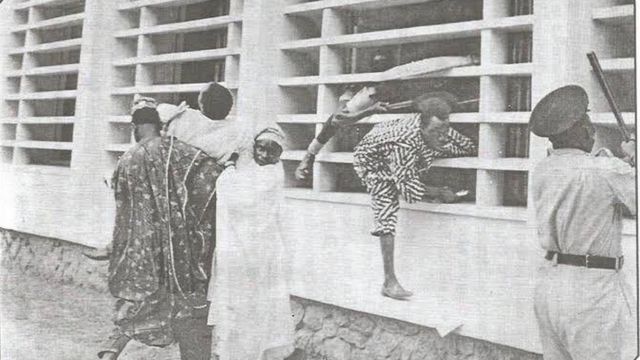
It started in Ibadan, then spread to Abeokuta, Agege, and beyond. Rival gangs went from street to street, torching homes, businesses, and cars. People were beaten and burned.
Neighbours turned on neighbours. Families fled in the dark. What had once been Nigeria’s most advanced region became a war zone.
The press called it the “Wild, Wild West.” And truly, it was.
A Nation Watches in Horror
The violence was shocking, but what made it worse was the sense of betrayal. The same Western Region that had led Nigeria’s progress now symbolised its failure.
Across the country, people listened to the news in disbelief. The police were helpless or, in some cases, complicit. The government seemed powerless. For many Nigerians, the dream of democracy was dying before their eyes. Prime Minister Tafawa Balewa, who had declared a state of emergency in the West just three years before, refused to carry out the same act he did in May 1962.
Amid the chaos, one bold act captured national attention. Just days after the rigged elections, an unknown gunman stormed the Western Nigerian Broadcasting Service in Ibadan and forced the officer on duty to play a recorded message calling on Akintola to resign.
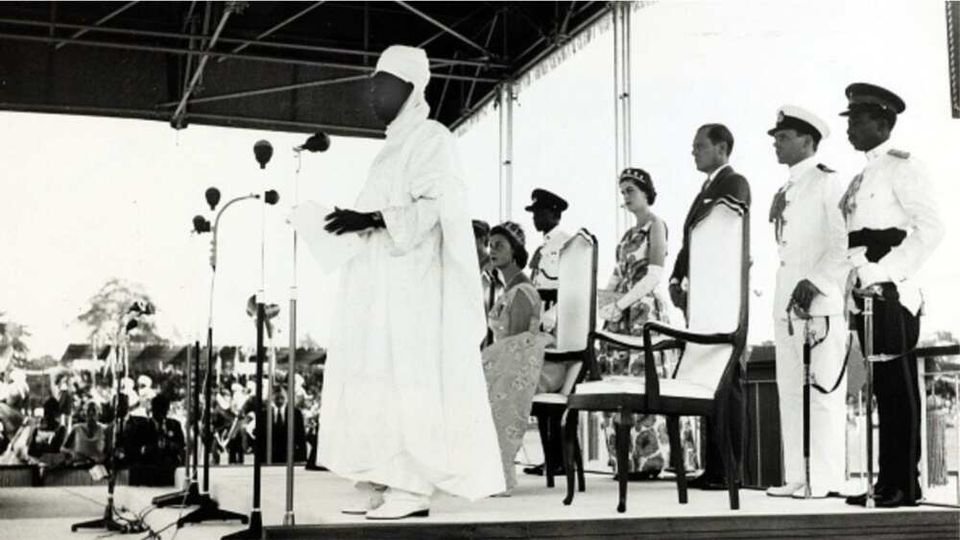
His act became a symbol of defiance, but it also showed just how desperate and dangerous the situation had become.
By the end of 1965, the Western Region was effectively ungovernable. Armed thugs patrolled the streets, and the rule of law vanished. For the ordinary person, life was reduced to mere survival. Many fled to neighbouring regions. Others stayed and lived in fear, unsure which side would strike next.
In the midst of the chaos, Premier Akintola tried to hold on to power. But his government’s authority had evaporated. Nigeria’s young democracy was burning, and no one could stop it.
From Fire to Coup: The End of Nigeria’s First Republic
As the Western Region burned, the rest of the country trembled. The military, watching from the barracks, concluded that the politicians had failed. The newspapers were filled with stories of corruption, rigging, and killings. The people had lost faith in their leaders.
Barely three months after the peak of Operation Wetie, the soldiers struck.
On the morning of January 15, 1966, a group of young army majors led by Majors Emmanuel Ifeajuna in the South and Chukwuma Kaduna Nzeogwu in the North staged Nigeria’s first military coup. They claimed they were saving the nation from corrupt politicians and the madness of the Wild West.
Their coup ended the First Republic and marked the beginning of a new, darker chapter in Nigeria’s history.
Sixty Years After Operation Wetie: The Lessons We Refuse to Learn
Sixty years after the fires of Operation Wetie, Nigeria still grapples with the same demons — electoral violence, political greed, and ethnic division. The names may have changed, but the script often feels the same. Elections are still contested with bitterness; power is still seen as a prize to be grabbed, not a trust to be kept.
The tragedy of 1965 was not just about burnt houses or lost lives. It was about the death of trust: the moment when Nigerians stopped believing that democracy could deliver fairness.
The Western Region has long rebuilt itself, and many of the scars have faded. But the questions remain.
Have we truly learned from the mistakes of the past? Have our politicians risen above the greed and rivalry that destroyed the First Republic? Have our elections become fairer, or are we still playing with fire?
It has been 60 years since Operation Wetie, and the flames that once consumed the West may have died down, but the embers still glow in Nigeria’s politics. And if history has taught us anything, it is this: when leaders betray the will of the people, it only takes a single spark for democracy to burn again.
Your support can make a world of difference in helping us continue to bring Nigeria’s rich history to life! By donating to HistoryVille, you’re directly contributing to the research, production, and storytelling that uncover the incredible stories of our past. Every donation fuels our mission to educate, inspire, and preserve our heritage for future generations.
Please stay connected with us through our social media handles and make sure you are subscribed to our YouTube Channel. Together, let’s keep the stories of Nigeria’s past alive.