
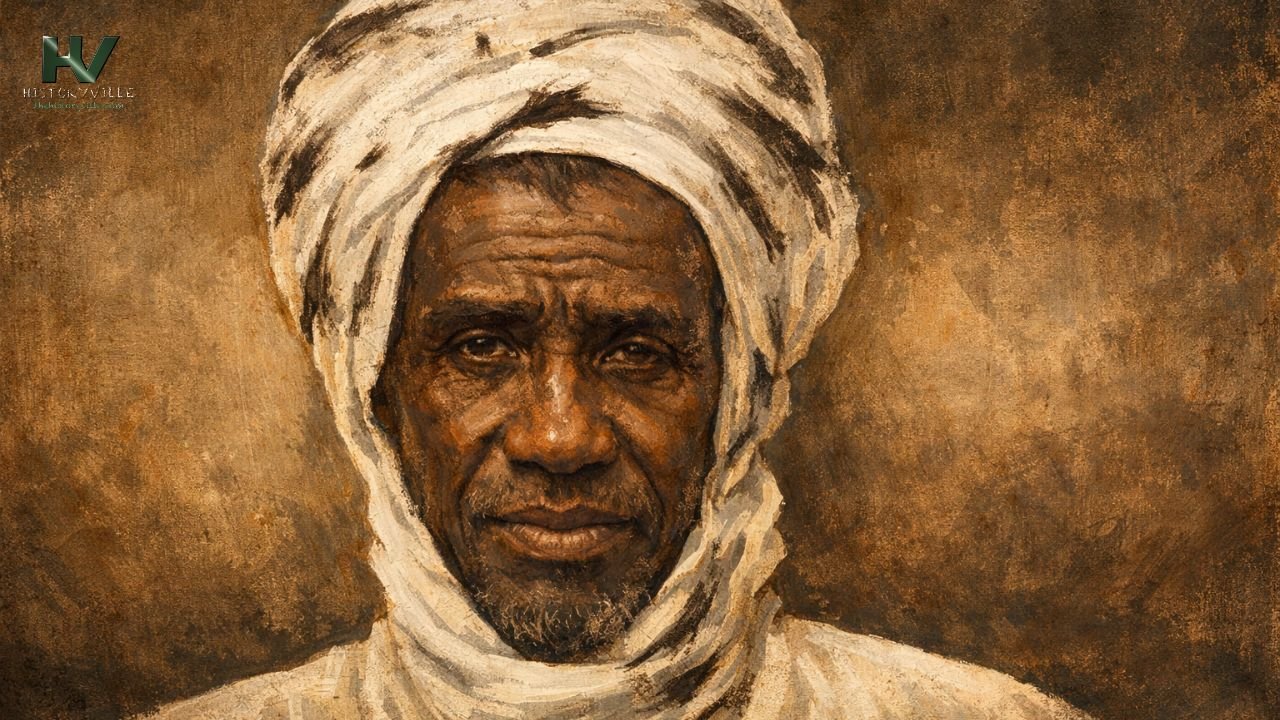

In this article, in no particular order, we journey back to colonial Nigeria to uncover the remarkable lives of the ten richest men who rose to power and prominence long before independence.
From savvy merchants and influential chiefs to pioneering industrialists and political powerbrokers, these men built vast fortunes despite the limitations of British rule.
Who were they? How did they amass their wealth in a time when opportunities for Africans were few and far between?
1. James Pinson Labulo Davies (1828–1906)
James Pinson Labulo Davies was a towering figure in 19th-century West Africa. A naval officer, merchant-sailor, entrepreneur, philanthropist, and pioneering farmer. Born in Sierra Leone to freed Yoruba parents, he trained with the Royal Navy’s West Africa Squadron and fought in the 1851 bombardment of Lagos.
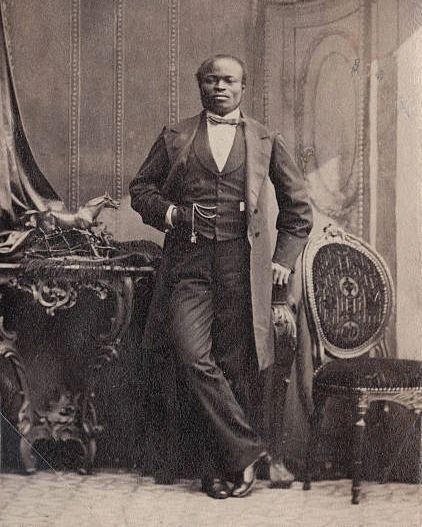
After retiring in 1852, he became “Captain J.P.L. Davies,” establishing himself as a leading Lagos merchant. In 1859, he provided the £50 seed capital that helped found CMS Grammar School, the first secondary school in Nigeria, and then added another £100 in 1867 for its expansion.
Davies also introduced cocoa farming to mainland West Africa, cultivating seeds from Brazil and Fernando Po and sharing the knowledge widely. His personal life was equally notable: he married Sarah Forbes Bonetta (Queen Victoria’s protégée and a Yoruba princess) in 1862, building one of colonial Lagos’s most prominent families.
A friend of Bishop Samuel Ajayi Crowther, Davies co-founded “The Academy” in Lagos in 1866 and remained a respected leader until his death in 1906.
2. Richard Beale Blaize (1845–1904)
When Richard Beale Blaize died in 1904, he left behind an estate of £60,000, which is about £9.3 million today.
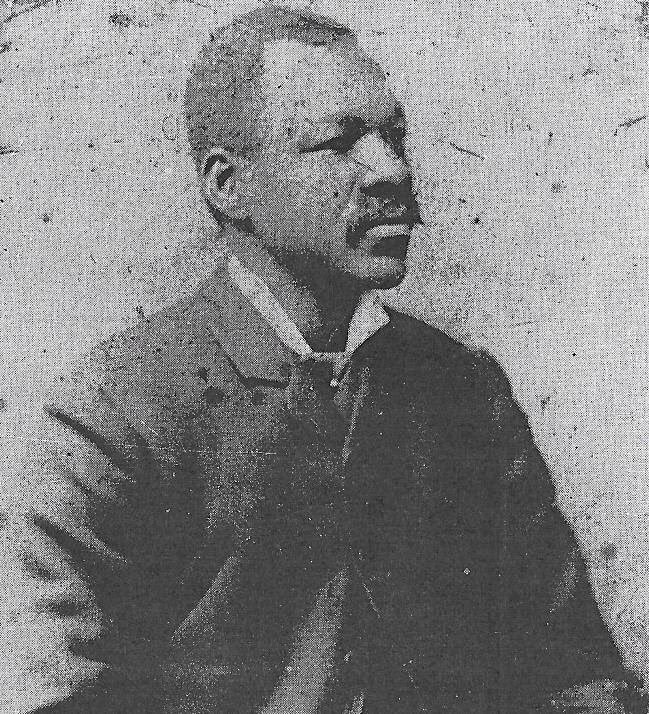
Blaize was a prominent Nigerian businessman, politician, newspaper publisher, and financier, whose influence reshaped colonial Lagos. Born in Freetown, Sierra Leone, to a Creole family of liberated Yoruba slaves, he began as a printing apprentice before moving to Lagos in 1862. He then transitioned into import–export trading across the Niger River, eventually becoming one of West Africa’s wealthiest merchants and joining the Lagos Chamber of Commerce in 1888.
In 1880, he founded The Lagos Times and Gold Coast Colony Advertiser and later the Lagos Weekly Times, using his press to champion education, African representation, self-government, and the separation of Lagos from the Gold Coast. Blaize also ventured into finance and real estate, reinforcing his wealth with a strategic shift to money-lending and property investment.
His political clout was most starkly seen in 1901, when he introduced Eshugbayi Eleko to Governor MacGregor, influencing the selection of the Oba of Lagos.
Settled and family-minded, he married Emily Cole, fathered six children—including the philanthropist Charlotte Obasa—and left a powerful legacy, endowing schools and hospitals, at his death on September 21, 1904. He was 58.
3. Mohammed Shitta-Bey (1824–1895)
Mohammed Shitta‑Bey was a formidable Sierra Leonean–Nigerian merchant, aristocrat, philanthropist, and religious leader who became one of colonial Nigeria’s wealthiest and most influential figures. Born to freed Yoruba parents in Waterloo, Sierra Leone, he migrated to Badagry and later Lagos, where he built a thriving trading empire spanning palm oil, ivory, kola nuts, gum copal, hides, and textiles—eventually owning a steamer to transport goods along the Niger River.
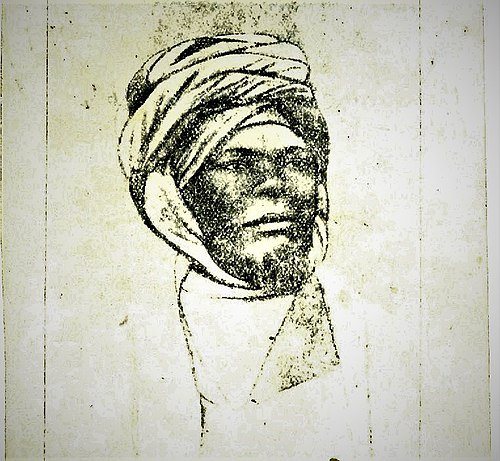
A devout Muslim, Shitta‑Bey financed multiple mosques—including the Lagos Central Mosque in 1873—and was appointed the first Seriki Musulumi (leader of Lagos Muslims). His most enduring legacy is the magnificent Shitta‑Bey Mosque, built between 1891 and 1894 in Afro‑Brazilian architectural style by Brazilian architect João Baptista da Costa and Nigerian builder Sanusi Aka, at a cost of around £3,000–£7,000.
At its grand inauguration on July 4, 1894, attended by the Governor, the Oba of Lagos, Edward Blyden, James Labulo Davies, Richard Blaize, and even the envoy of the Ottoman’s Sultan, Shitta was honoured with the Ottoman Order of Medjidie (third class) and granted the title “Bey.” He was thereafter known as Mohammed Shitta‑Bey.
He passed away exactly one year later on July 4, 1895, but his mosque still stands as a national monument, symbolising his faith, philanthropy, and commercial acumen.
4. Candido da Rocha (1860–1959)
Candido João da Rocha, celebrated as Nigeria’s first millionaire, was a Brazilian‑born son of a former Yoruba slave who returned to Lagos and built an impressive empire. Educated at CMS Grammar School alongside Herbert Macaulay and Isaac Oluwole, he inherited his father’s estate in 1893 and transformed it into a business powerhouse spanning real estate, hospitality, banking, fisheries, and especially water supply. His iconic “Water House” on Kakawa Street was the first home in Lagos to feature a borehole and water fountain, and he sold water to both residents and colonial authorities.
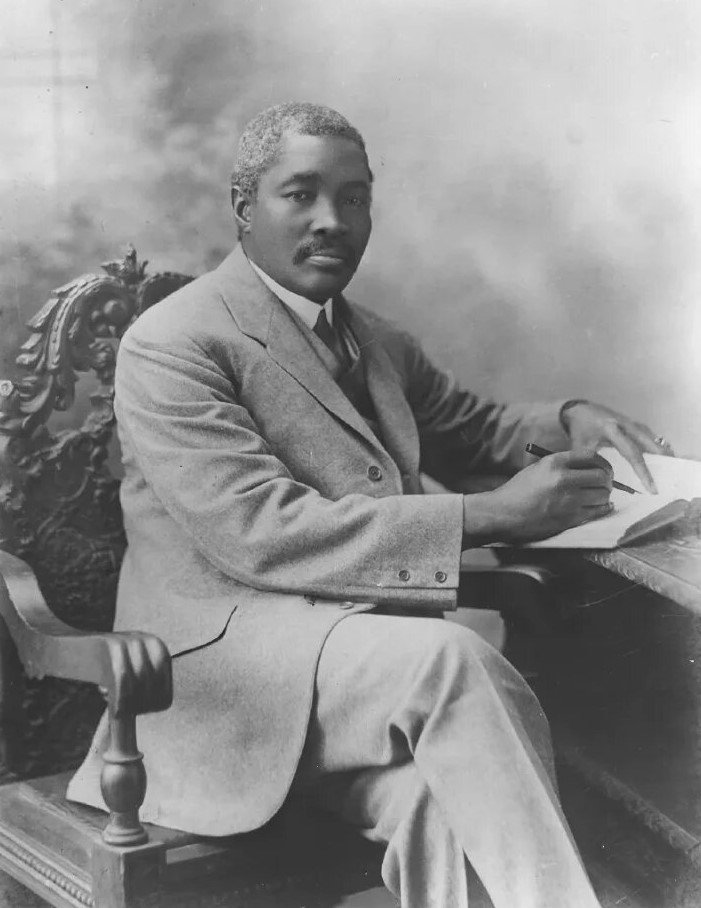
In 1894, showing remarkable entrepreneurial flair, he pocketed a 200% profit from buying gold bars, converting them to dust, and selling to goldsmiths, financed by a loan from the Bank of West Africa. In 1907, he co‑founded and later launched local financial institutions like Lagos Native Bank and Lagos Finance Company to challenge foreign banks.
Da Rocha was known for his flamboyant generosity, benevolently offering his Bonanza Hotel to King’s College students during the Second World War, anonymously donating rehabilitation funds, and famously tossing coins from his balcony to children.
Despite his vast contributions, no monument in Lagos bears his name; although he is remembered for his Water House, his philanthropic spirit, and the saying “Do you think I’m Da Rocha?” which is commonly used among the Yoruba to reference wasteful spending.
5. Alhassan Dantata (1877–1955)
Alhassan Dantata was a legendary Kano merchant and philanthropist who, by the time of his death, had become the wealthiest man in West Africa. Born into an Agalawa trader family in Bebeji, he began his career trading kola nuts before expanding into groundnuts and other commodities, innovatively shipping goods from Accra to Lagos, an early multimodal supply chain strategy.

He dominated the groundnut market from the 1920s to the 1940s, building the famous pyramids in Kano and becoming the largest supplier for the Royal Niger Company and United Africa Company.
Exceptionally shrewd, Dantata deposited 20 camel-loads of silver in the British Bank of West Africa and operated numerous business lines like cattle, cloth, beads, real estate, and even pioneered a textile mill. A pillar of his community, he served on the Council of the Emir of Kano, funded annual Hajj pilgrimages, slaughtered cattle for the poor, and provided interest‑free loans to budding northern entrepreneurs.
On his deathbed, he urged his children to preserve the family business, which they did, passing it to descendants including Aminu Dantata and his great-grandson, Aliko Dangote.
6. Louis Ojukwu (1909–1966)
Sir Louis Phillip Odumegwu Ojukwu was a towering figure in colonial and early post-colonial Nigeria, often celebrated as Nigeria’s first billionaire. Arriving in Lagos in 1929 from Nnewi with just a few pounds, he swiftly built an expansive empire, founding Ojukwu Stores, Ojukwu Textiles, and the Ojukwu Transport Company, which at its peak operated over 200 trucks and supported British logistics during World War II.
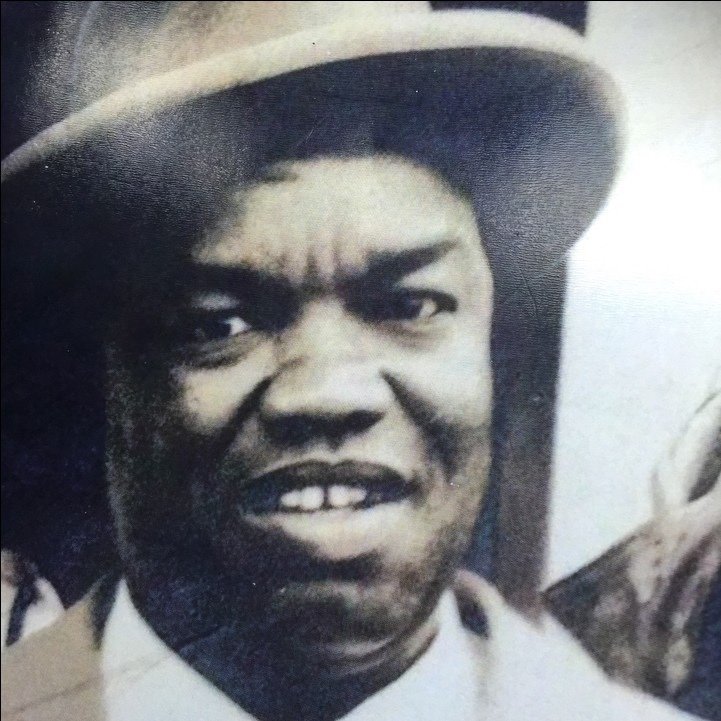
Diversifying into cement, stockfish, real estate, banking, shipping, insurance, and more, he held key roles such as founding President of the Nigerian Stock Exchange in 1960 and board member of giants like Shell, Guinness, and the Nigerian National Shipping Line.
Sir Louis Ojukwu epitomised indigenous ambition and success. His legacy extends beyond business; he was a philanthropist, political figure, mentor to future entrepreneurs, and father to Chukwuemeka Odumegwu Ojukwu, the leader of the defunct Republic of Biafra.
7. Timothy Adeola Odutola (1902 – 1995)
Chief Timothy Adeola Odutola was a trailblazing Ijebu‑Ode businessman, industrialist, philanthropist, and political leader who built one of colonial Nigeria’s first indigenous business empires. After starting as a clerk in Lagos and the Ijebu Native Administration, he ventured into commerce in the 1930s, trading fish, damask, cocoa, and palm oil, and owning transport fleets and storage facilities.
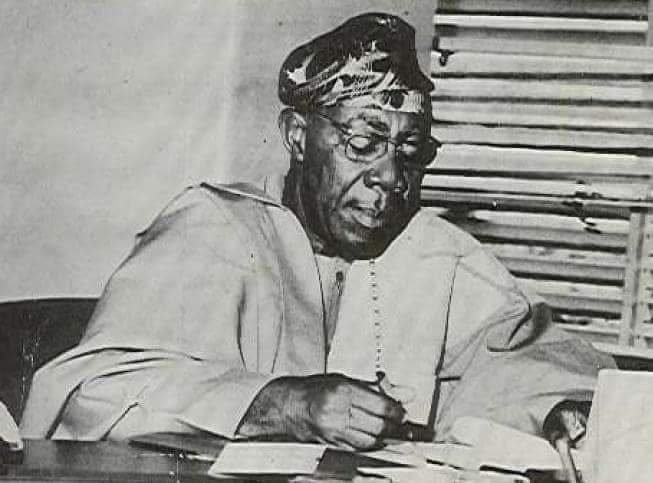
By the 1940s and 1950s, Odutola had diversified into saw milling, gold mining, rubber goods, and tyre retreading, launching factories in Ibadan (1949), Kano (1954), Onitsha (1956), and bicycle tyre/tube production in 1967.
Honoured with an Order of the British Empire (OBE) in 1948 and later serving as the first President of the Manufacturers Association of Nigeria in 1971, Odutola also founded schools, including Olu‑Iwa College (later Adeola Odutola College), and endowed university chairs in Lagos and Ibadan.
Politically active, he represented Ijebu in the Legislative Council and Western House of Assembly, and hosted Queen Elizabeth II at his Onibudo House in 1956 during Her Majesty’s royal visit. Chief Odutola died on April 13, 1995. He was 92.
8. Shafi Edu (1911–2002)
Chief Shafi Lawal Edu was a titan of colonial and early post-colonial Nigeria. He was a master entrepreneur, pioneering industrialist, dedicated public servant, and global conservation champion. Born into a royal Muslim family in Epe, Lagos, he began his career as a ship’s chandler, timber trader, and food contractor before rising to lead the Lagos operations of the African Oil and Nuts Company.
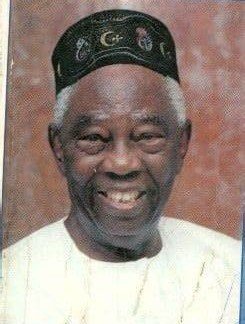
In the 1950s, he founded Slee Transport Ltd, becoming a major contractor for British Petroleum with a fleet of oil tankers and earning recognition in a 1965 TIME magazine profile as “Chief Shafi Lawal Edu, 54…has built a fleet of eight oil tankers.” Beyond transport, he sat on the boards of BP (Nigeria), Glaxo, Haden, and Blackwood Hodge, and co‑founded Africa’s first indigenous insurance company, African Alliance.
His influence extended into politics. He served as a member of the Western Region House of Assembly in 1951 and was the president of the Lagos Chamber of Commerce in 1963.
Later in life, Edu turned his attention to conservation, founding the Nigerian Conservation Foundation in 1980 after serving on the council of the World Wildlife Fund and initiating national environmental advocacy.
At his death on January 8, 2002, a day after his 91st birthday, Chief Edu left behind a formidable legacy of business excellence, public service, and environmental stewardship, a true pioneer whose story remains essential to understanding Nigeria’s rise.
9. Salami Agbaje (c. 1880–1953)
Chief Salami Agbaje was an outstanding indigenous businessman and the wealthiest man in Ibadan in colonial Nigeria. Agbaje was the first person in Ibadan to own a car and a two-story house built from cement.
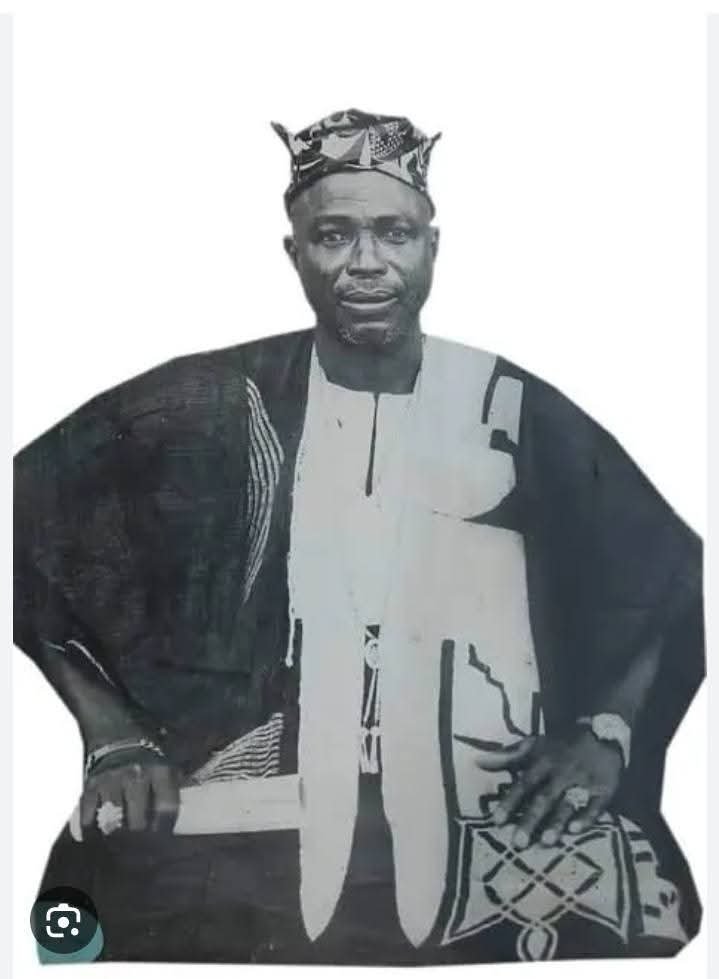
Born in Lagos to Islamic scholars, he initially worked as a tailor before seizing the opportunity presented by the arrival of the Lagos–Ibadan railway in 1901 to supply timber for its construction. He smartly reinvested his profits into cocoa, palm kernel, and other agricultural produce, becoming one of the few Africans to import and export goods, and pioneering several businesses in Ibadan, including the first private motor garage, cinema, and a two-story cement building.
Known for his fierce independence and reluctance to follow traditional expectations of public largesse, Agbaje faced backlash from the Ibadan elite and even legal challenges when he vied for the Olubadan throne in 1949, but he was cleared. Married to 10 wives and a devoted father, Chief Salami Agbaje invested heavily in his children’s education, who went on to become professionally prominent—a doctor, lawyers, and a Supreme Court justice, Abdul Ganiyu Agbaje (November 23, 1925 — December 3, 2008).
His monumental colonial-era mansion in Beere, Ibadan, still stands today as a testament to his economic ingenuity and enduring legacy in modern Yoruba society.
10. Mobolaji Bank-Anthony (1907–1991)
Sir Mobolaji Bank‑Anthony was a towering figure in mid‑20th‑century Nigeria, one of the country’s richest and most influential businessmen who helped pioneer indigenous industrialisation. Born in Kinshasa, Belgian Congo, in 1907, to a prominent Lagos family, Bank-Anthony began his career in the Posts & Telegraphs Department before venturing into trade and industry by the 1930s, first exporting palm oil and later importing watches, clocks, and fountain pens, becoming Nigeria’s third‑largest fountain pen distributor.
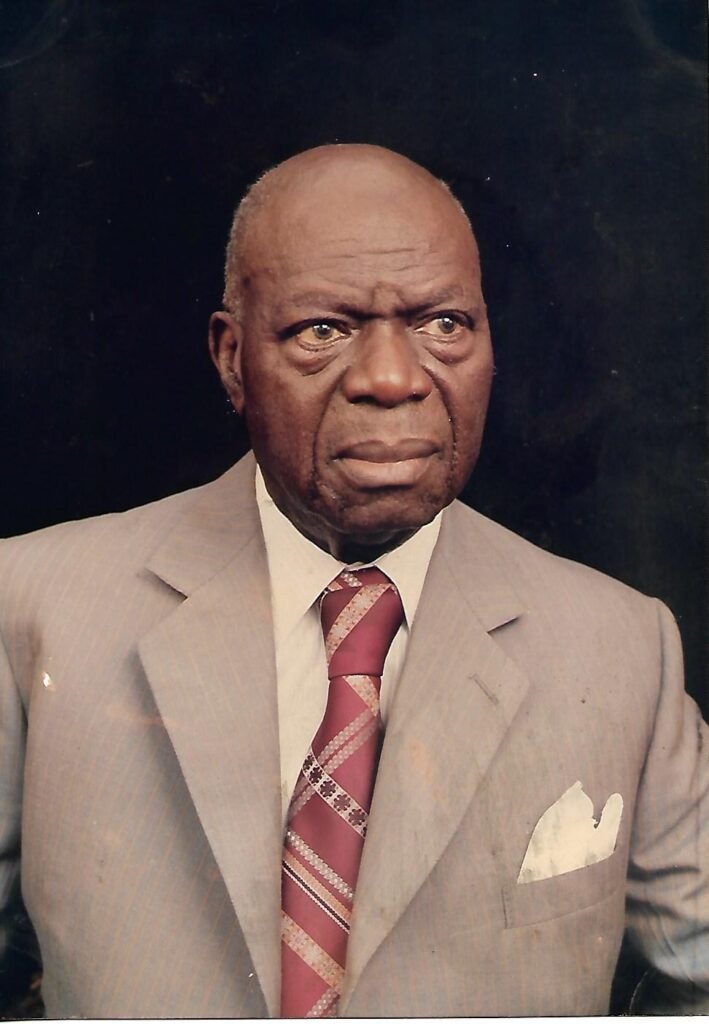
In the post‑war era, he led a wave of Nigerian-European joint ventures: he chaired Borini Prono Construction (building key roads and causeways), Mobil Oil Nigeria, Law Union & Rock Insurance, Aero‑Contractors, Weide, May & Baker, and others. He served as Council President of the Lagos Stock Exchange and sat on numerous boards, earning an Order of the British Empire (OBE) in 1957, Knight of the British Empire (KBE) in 1963, and a Nigerian national honour, Commander of the Niger (CON), in 1979.
A devoted philanthropist, Bank-Anthony donated the Ayinke Maternity House to Ikeja General Hospital and funded an accident ward at Igbobi Orthopaedic Hospital, among other charitable gifts.
Sir Mobolaji Bank‑Anthony passed away on May 26, 1991. He was 83. He epitomised an entrepreneurial spirit, leadership in both business and civic spheres, and a legacy of giving, earning an expressway in Lagos and a statue in his honour.
Summary: Colonial Nigeria’s Richest Men
From cocoa pioneers and shipping magnates to industrial giants and philanthropic trailblazers, these 10 men were not just rich; they helped lay the economic foundation of modern Nigeria.
Their stories prove that the African mind is one of excellence that thrived long before independence, and that wealth was not merely measured in pounds and property, but in vision and resilience.
So, which of these 10 richest men in Colonial Nigeria impressed you the most? Or are there other rich men in the same era that we did not mention here? Let us know in the comments.
Love history? Don’t stop here.
📚 Get deeper insights by purchasing our latest history books.
📢 Join our Whatsapp Channel for exclusive updates and historical facts.
📩 Subscribe to our Newsletter and receive fascinating stories from history (World and African history) directly in your inbox.
🎥 Subscribe to our YouTube channel for engaging documentaries and short history videos.
Stay connected with us on social media for daily history content:
🔵Follow us on Facebook.
📸 Follow us on Instagram.
🐦Follow us on Twitter.
💼 Follow us on LinkedIn.
🎵 Follow us on TikTok.
❤️ Support our work by donating to HistoryVille and help us continue preserving and sharing important historical stories.
📢 Advertise with HistoryVille to reach a growing audience passionate about history and culture.