
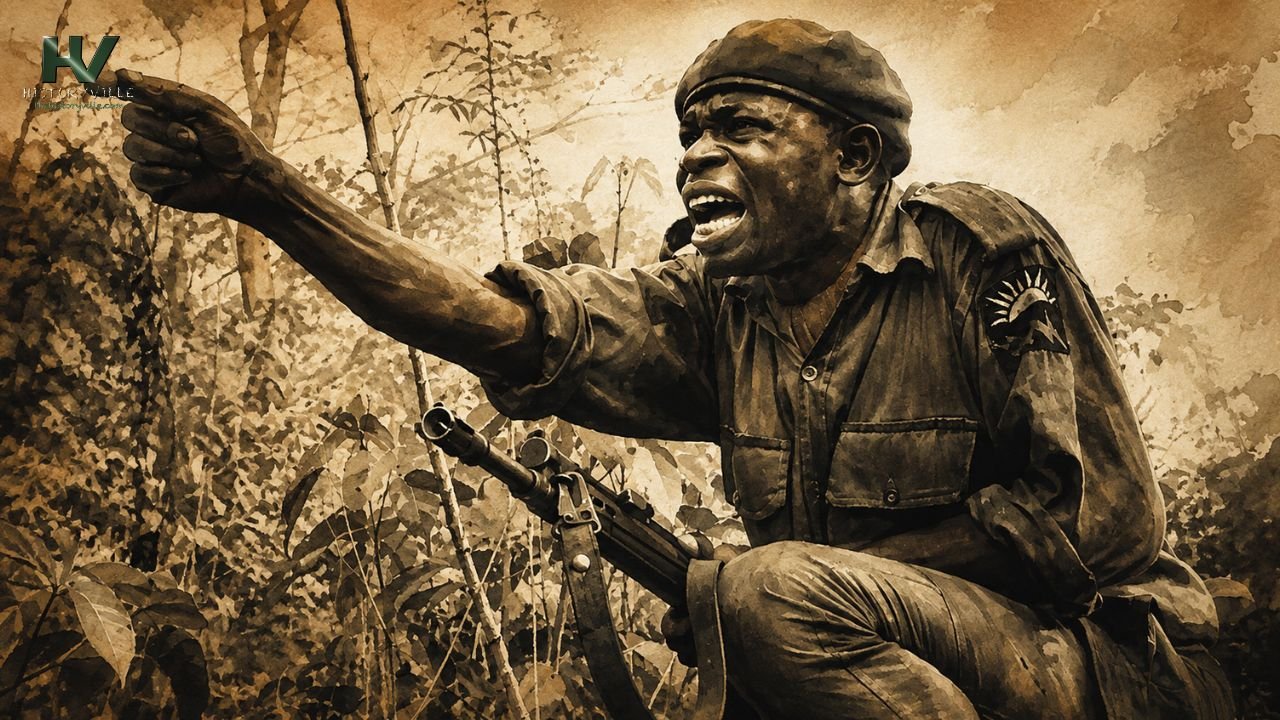

The Nigerian Civil War, also known as the Biafran War or the Nigeria-Biafra War, was a war fought to counter the secession of the Republic of Biafra from Nigeria. Biafra, which declared its independence on May 30, 1967, was in the then Eastern Region of Nigeria, with the Igbo forming the majority.
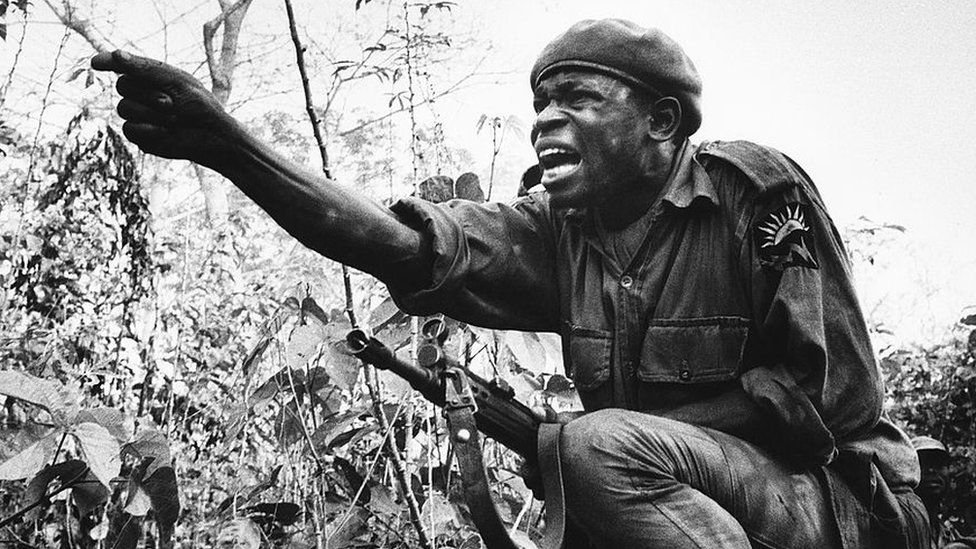
Well, the war lasted 30 months, from July 6, 1967, to January 15, 1970, with millions of casualties on both sides. The war did not happen overnight, but certain events led to it.
In this article, we shall take a look at the top eight events that led to the Nigerian Civil War, in which millions (both military and civilians) lost their lives.
The Amalgamation of 1914
In 1914, the Southern Protectorate of Nigeria was joined with the Northern Protectorate to form the single British Colony of Nigeria. The unification was done for economic reasons rather than political—the Northern Nigeria Protectorate had a budget deficit, and the colonial administration sought to use the budget surpluses in Southern Nigeria to offset this deficit.
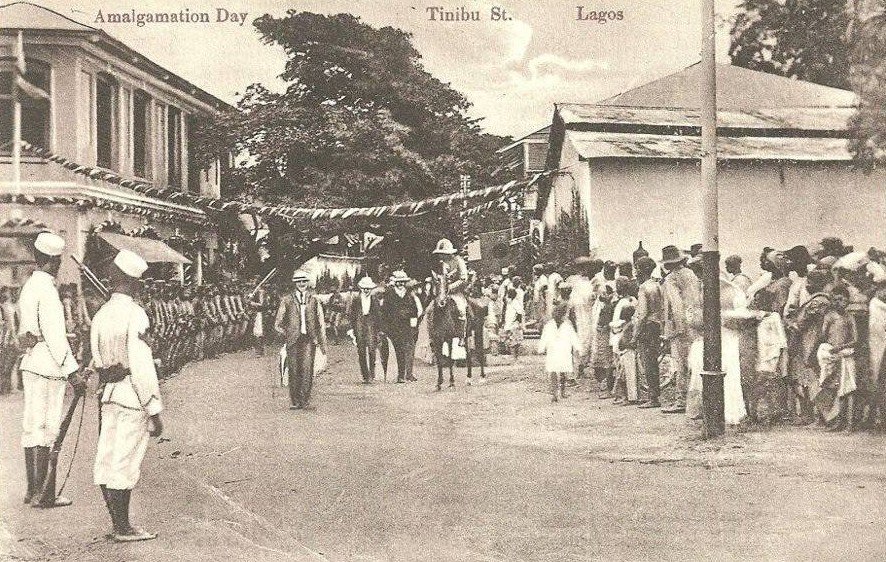
Lord Frederick Lugard, who took office as governor of both protectorates in 1912, was responsible for overseeing the unification and, thus, became the first governor of the newly united territory. Lugard established several central institutions to anchor the evolving unified structure.
The Colony and Protectorate of Nigeria was placed under the control of Lugard with the title of Governor-General. Lagos was then chosen as the capital.
Well, this “marriage” was made without the consent of the people, without a referendum, but in the interest of the colonialists. A system that would, in the long run, bring about greed, hatred, nepotism, and tribalism amongst the people of Nigeria.
The 1946 Arthur Richards Constitution
The year 1946 saw the adoption of the Richards Constitution, which defined Nigeria, for the first time, in terms of regions – thus dividing the still colonised country into three main regions: the Northern, Western, and Eastern regions.
The Constitution was named after Sir Arthur Frederick Richards, Nigeria’s eighth Governor-General from 1943 to 1948.

The 1946 Constitution was thus a compromise instrument on the part of the British designed to establish a constitutional framework in which all sections of Nigeria could be represented in the Legislative Council and which guarantees an unofficial majority both in the House of Assembly and in the Legislative Council for indigenous Nigerians.
Well, the effect of this Constitution made the centre weak but granted strength to the regions in the same country. This would have been the best time to create three independent countries instead of three dependent ones in a country.
The 1962 Western Region’s State of Emergency and Obafemi Awolowo’s incarceration
Due to the dispute between supporters of Obafemi Awolowo and Samuel Ladoke Akintola, the Prime Minister, Sir Abubakar Tafawa Balewa, declared a state of emergency in the Western Region on May 29, 1962, before an emergency session of the Federal Parliament.
The Parliament then passed a bill that declared a state of emergency in the West, with the right to detain and restrict persons, and the imposition of curfews, with the appointment of Dr Moses Majekodunmi, a distinguished gynaecologist, a Senator, and Federal Minister of Health, as the Sole Administrator of the West.
Dr Majekodunmi instituted a Commission of Inquiry, headed by Judge George Baptist Ayodola Coker of the Lagos High Court, into corporations owned by the Western Region. The Commission revealed instances of poor administration and misappropriation of public funds for the benefit of the Action Group Party. The report came down hard on Awolowo and other AG members in his faction but exonerated Akintola.
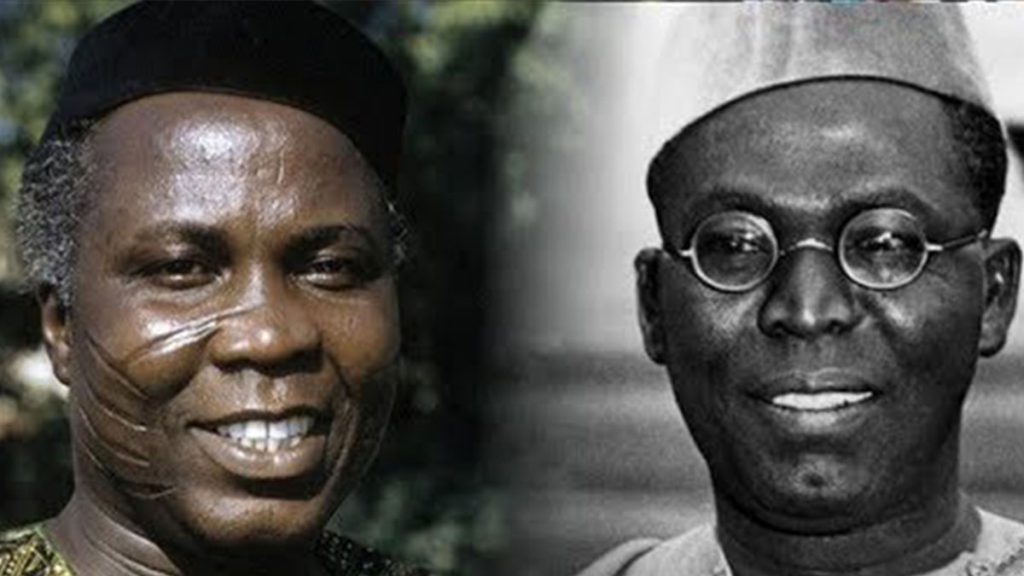
The stage for the final act was set in the Commission’s report of a treasonable felony on Awolowo and his AG members. Searches the Nigeria Police carried out in the country during the emergency period in Western Nigeria revealed large quantities of arms and ammunition which some AG members imported into the country to be used, allegedly, to overthrow the Federal Government.
Obafemi Awolowo, Anthony Enahoro, as well as some two dozen others were charged with treasonable felony and conspiracy to overthrow the Federal Government. Awolowo was sentenced to 10 years, while Enahoro and others were sentenced to 15 years’ imprisonment. These actions led to the beginning of the demise of the Action Group, and on December 31, 1962, the state of emergency was terminated.
The blatant support of Akintola’s unpopular government in the West by the Balewa-led Federal Government was a time bomb in the making. Declaring a state of emergency in a whole Region when the imbroglio was only in the House of Assembly was also a political blunder by Balewa. Awolowo’s imprisonment made the Federal Government itself detested among the peoples of the Western Region, who believed he was imprisoned on trumped-up charges.
Operation Wetie and the Western Regional Elections of October 1965
In 1964, the United People’s Party (UPP) had evolved to be the Nigerian National Democratic Party (NNDP) with Akintola as the leader and as a friend of the ruling party, the Northern People’s Congress (NPC).
Hence, the 1965 Western Regional elections gave the NPC another chance of maintaining its political power in the country, a supremacy that other political parties found annoying. More importantly, the NNDP was determined to remain in power. In the face of all overwhelming odds against the NNDP should the elections be free and fair, it was left with one alternative: to rig the elections.
As a result of the grave irregularities, the NNDP won the elections, 16 of its candidates having been returned unopposed at the close of nominations. It was publicly charged that the NNDP victory was due to fraud.
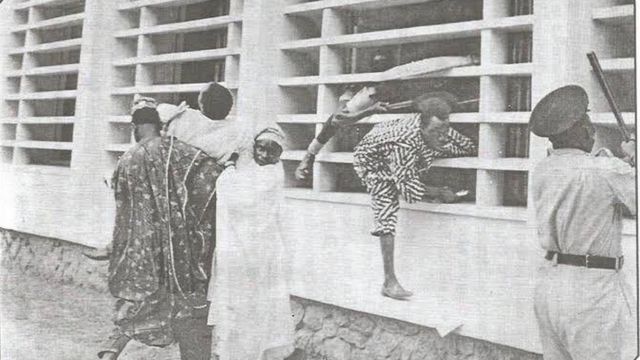
The political atmosphere in the Western Region looked bleak and dismal, and the after-effects of the elections were even more severe and devastating. Defeated political candidates had in the past run to the courts to challenge irregularities at elections. This time they did not go to the courts. Instead, the people took the law into their hands.
Riots, looting, arson, and murder were the rule of the day. Party thugs poured gasoline on opponents and set them ablaze, a situation then known as Operation Wetie. Houses and vehicles were set on fire, and to travel within the Western Region and from other regions into the West was dangerous because of thugs and gangsters who took the law into their own hands while the police failed to maintain law and order. There was tension and wanton destruction of human life and property.
Nigerians looked to the federal government to step in to arrest the situation in the Region, but all pleas were to no avail. Meanwhile, the riots and killings continued, and the NNDP Government of the Western Region imposed curfews in Mushin, Ikeja, Agege, Ajeromi, and Awori districts. Yet, the disturbances continued and each day brought a new toll of rioting, arson, looting, and murder.
The crisis over the struggle for political power during the Western Regional elections of October 11, 1965. was the last straw that broke the camel’s back, which really convinced the January boys to stage their military coup on the morning of January 15, 1966.
In reference to the last statement, Balewa’s reluctance to step in and declare a state of emergency, when he should have, spiralled the events of January 1966. As Emperor Nero watched as Rome burned, the Prime Minister fidgeted as the West descended into an incendiary state. And the rest, as they say, is history.
January 15, 1966, Military Coup détat
Seven Majors led by Majors Emmanuel Arinze Ifeajuna and Patrick Chukwuma Kaduna Nzeogwu had concluded their plans for Nigeria’s first military coup as far back as August 1965, which was the mass murder of top politicians and senior military officers in the country.
Security reports concerning coup plotting were passed to Prime Minister Balewa, who ignored them or chose not to act upon them. On the morning of Saturday, January 15, 1966, the nation woke up to the frightening news that Prime Minister Balewa was missing; the Sardauna of Sokoto and Premier of the Northern Region, Sir Ahmadu Bello, Premier of the Western Region, Chief Samuel Ladoke Akintola, Minister of Finance, Chief Festus Samuel Okotie-Eboh and a host of others, including senior and junior military officers, had been killed in a military pogrom and putsch.

The Commander of the Army, Major-General Johnson Thomas Umunnakwe Aguiyi-Ironsi, was also targeted, but he outmanoeuvred the boys, rounded them up, and took official control of the country.
Of the seven majors, six were Igbo, while one, Adewale Ademoyega, was Yoruba. The new head of state, having dissolved the civilian government, was Igbo.
These events raised tensions among the Northern elite, especially in the Army, that the Easterners were behind the coup, as the majority of the coup plotters were Easterners while a majority of the casualties were Northerners. In a bid to quell contentions in the Army, Ironsi made Gowon, a Northerner, his Chief of Army Staff.
Whether the coup was Eastern-favoured or not, it brought into the fore a united Northern Region in the Army, regardless of tribe or religion.
To install Awolowo as Prime Minister and to create fourteen states for the country were some of the reasons cited by the coup plotters for carrying out their coup. Unfortunately for them, the coup failed in Lagos, and Ifeajuna fled to Ghana, dressed as a woman. No action was taken in the Igbos’ Eastern Region, and not one single shot was fired. This convinced the Northern elements in the Army that the Igbos were behind the killing of their leaders and officers. Hence, the plan for vengeance began.
July 29, 1966, Northern Counter-Coup
Decree 34 of May 24, 1966, promulgated by Ironsi, was the beginning of the end for him. The decree made the centre strong, thereby abolishing the powers granted to the regions. Interestingly, Nzeogwu, in an interview he gave in 1967, affirmed that Ironsi shot himself in the foot with that decree. Another mistake Ironsi made was the non-trial of the coup plotters of the January 15, 1966, carnage.
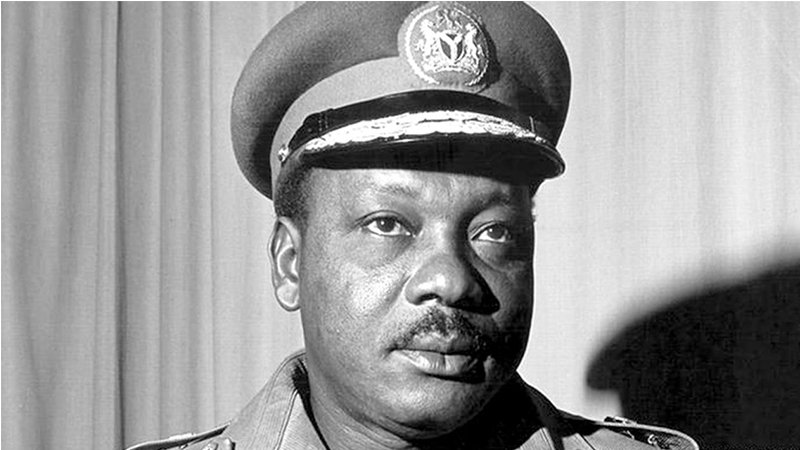
These caused massive unrest in the Northern part of the country, as the Northerners had gone against the delimiting of regional powers as far back as 1959. In June 1966, Ironsi began a tour of the country and met with the Northern elite and traditional emirs, assuring them of a united Nigeria. He never returned to Lagos.
On July 28, 1966, Ironsi was hosted by the military governor of the Western Region, Lieutenant-Colonel Francis Adekunle Fajuyi, in Agodi, Ibadan. As he was about to leave for Lagos, Fajuyi persuaded him to spend the night at the Government House.
In the early hours of July 29, 1966, Northern soldiers, led by Major Theophilus Danjuma and Lieutenant Garba Dada Paiko, came to arrest Ironsi and questioned him about his alleged complicity in the January coup. But Ironsi denied it, answering in the negative. The soldiers overpowered them and violently stripped off their epaulettes. They were also beaten as they were dragged along to a shallow pit in Lalupon, near Ibadan, where their bodies were riddled with bullets.
Narrating their events several years later, President Shehu Shagari and Richard Akinjide, surviving cabinet members of Nigeria’s First Republic, insisted that Aguiyi-Ironsi took over power by force, as against them handing over to him. Whichever may be the case, the rise of Aguiyi-Ironsi as a military head of state raised fears in the hearts of the northerners that the Igbos were all out for the total control of the country. His Decree 34, which made an educated Igbo man eligible for civil service in the educationally disadvantaged North, raised further fears and brought about the counter-coup six months later, which led to his gruesome death and the deaths of about 300 other soldiers of Igbo origin.
The January 1967 Aburi Conference
With the Northern counter-coup of July 29, 1966, the political development of Nigeria’s federal structure took a different turn. It was heightened even more by the fact that the Eastern Regional Government in Enugu immediately threatened secession if certain grievances and demands were not met. The immediate concern of the Federal Government, therefore, was for it to find ways to appease the East so long as such concessions were within the framework of one Nigeria.
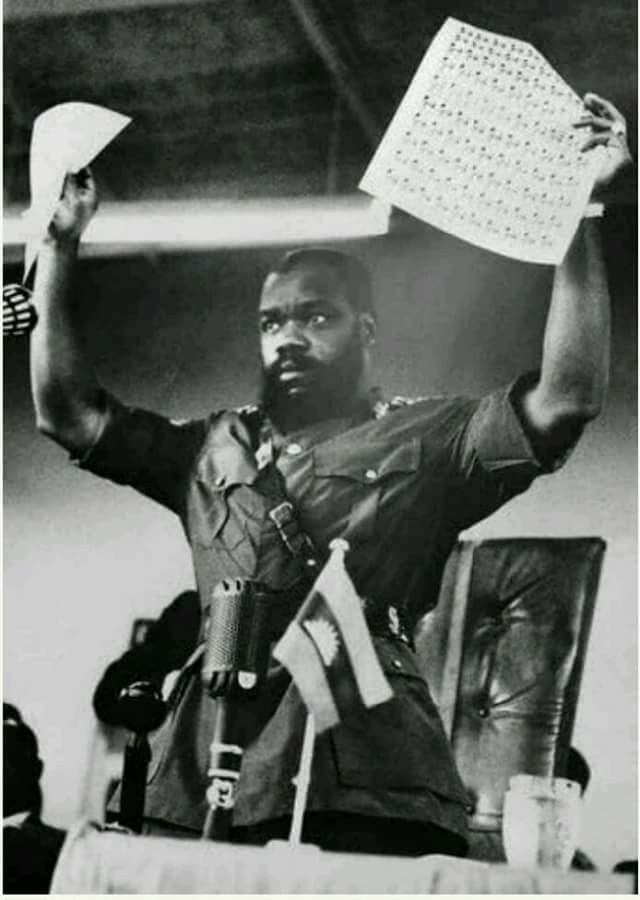
But the Eastern Military Governor, Lieutenant-Colonel Chukwuemeka Odumegwu Ojukwu, refused to leave the East for any meeting anywhere in Nigeria because, he claimed, he was not safe outside the East. The Federal Government too argued that the Nigerian leader, Lieutenant-Colonel Yakubu Gowon, should also not go to the East for any meeting. His life, they also claimed, was not safe there either. Tension mounted, and Lieutenant-General Joseph Arthur Ankrah of Ghana offered a neutral meeting place. The venue was Aburi, Ghana.
The Aburi meeting started on January 4, 1967, and lasted for two days. At the meeting, Ojukwu claimed that Nigeria did not have a central government since the country, as a result of the second coup and its aftermath, resolved itself into three separate sovereign areas: the Lagos-West-North Area, the Mid-West Area, and the East Area. But Gowon insisted that Nigeria was still one nation, an entity composed of four regions and a central government in Lagos.
Ojukwu outsmarted Gowon in this meeting and insisted that certain parts of the events should not be recorded. Gowon agreed to most of Ojukwu’s demands. But when he got back to Nigeria, the Permanent Secretaries highlighted the grave consequences of the agreement to Gowon. The head of state reneged, created 12 States, and Ojukwu declared the independence of the Republic of Biafra.
The Creation of 12 States and Declaration of Biafra in May 1967
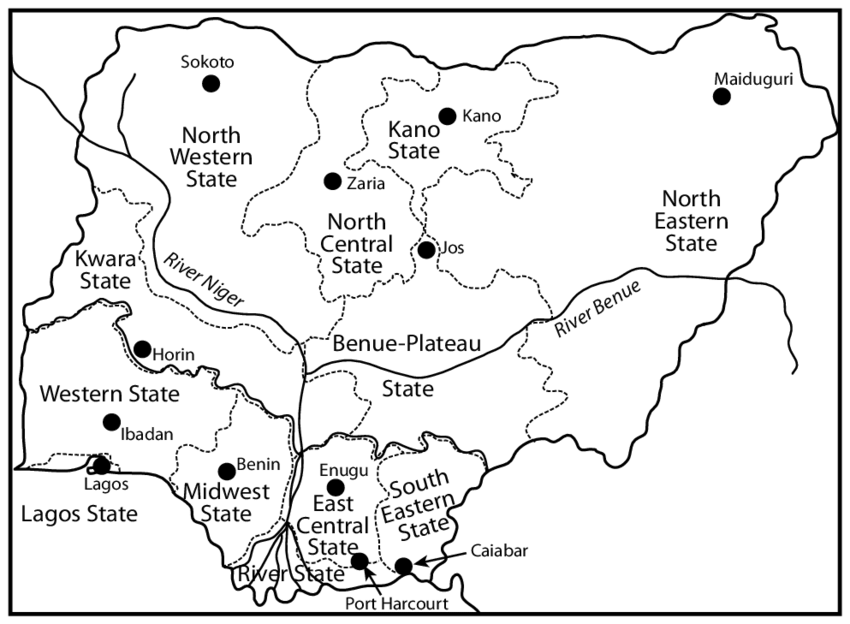
When, on May 27, 1967, General Gowon announced that Nigeria would be divided into more states, 12 in all, Nigerians were jubilant as the minorities felt secure and out of domination by the majority peoples within the former regions. The Northern Region was broken into six states (North-Western, North-Central, North-Eastern, Benue-Plateau, Kano, and Kwara), thereby cracking its monolithic posture.

The East was broken into three, with the Igbo people having their own state (East-Central) and the non-Igbo “minority” peoples in the East two of their own states (Rivers and South-East). The Mid-West remained as it was. Some part of the Western Region was carved out and merged with the Federal Territory of Lagos to form Lagos State. What remained of the Western Region became Western State.
The creation of more states in the country pushed the East-Central State, the Igbo heartland, into an interior pocket, cut off from the coastal oil reserves and its two seaports of Port-Harcourt and Calabar. Thus, the lack of seaports for the East-Central State was devastating.
For the secessionists, the creation of more states was a bombshell, a political reality that they refused to accept or even believe. They began to speed up the secession of the Eastern Region, which would include, according to them, the two new states of Rivers and South-East.
On May 30, 1967, Ojukwu proclaimed that “the territory and Region known as Eastern Nigeria, together with her continental shelves and territorial waters, shall henceforth be an independent sovereign state of the name and title The Republic of Biafra.”
A new flag was hoisted in public buildings in the East, and the Police and Army appeared in different uniforms. A national anthem that sounded like Sibelius’ Finlandia and which Nnamdi Azikiwe later claimed was plagiarised from his poem, Ode to Onitsha, was broadcast.
The Nigerian Civil War
Nigeria’s political instability had now been pushed to its limit. On July 6, 1967, the Federal Government mounted what it initially termed a “Police action” to arrest the secession. The secession was now such that it could not be stopped by just a “Police action”, and the result was a 30-month cruel Nigerian civil war in which over one million innocent civilians’ lives were lost, equipment worth billions of dollars was wasted, and thousands of stalwart soldiers on both sides were dead.
In summary, Biafra’s national symbols must have taken months to prepare, which implied that Ojukwu was perhaps committed to secession long before. Hence, he rejected one peace move after another. While nothing particularly dramatic happened for the next thirty days, the atmosphere was tense. Though the Federal Government had its own share of the blame, especially for its tardiness after Aburi, it did everything possible to prevent the Nigerian balloon from bursting and to appease the East to the extent that many Nigerians were doubting whether the Federal Government was a sick dog that could neither bark nor bite.
After a senseless war that lasted 30 months and has scarred and marred the history of Nigeria, the Biafrans eventually surrendered after Ojukwu had fled to Côte d’Ivoire. His deputy, Major-General Phillip Effiong, then announced Biafra’s unconditional surrender, and the secession ended.
Want to understand what really happened during Nigeria’s first military coup? Read A Carnage Before Dawn. It offers a carefully researched, vividly told account of January 15, 1966, through a storytelling style that will keep you glued to the book’s pages.
You can get the e-book here and the paperback here.
Love history? Don’t stop here.
📚 Get deeper insights by purchasing our latest history books.
📢 Join our WhatsApp Channel for exclusive updates and historical facts.
📩 Subscribe to our Newsletter and receive fascinating stories from history (World and African history) directly in your inbox.
🎥 Subscribe to our YouTube channel for engaging documentaries and short history videos.
Stay connected with us on social media for daily history content:
🔵Follow us on Facebook.
📸 Follow us on Instagram.
🐦Follow us on Twitter.
💼 Follow us on LinkedIn.
🎵 Follow us on TikTok.
❤️ Support our work by donating to HistoryVille and help us continue preserving and sharing important historical stories. 📢Advertise with HistoryVille to reach a growing audience passionate about history and culture.