
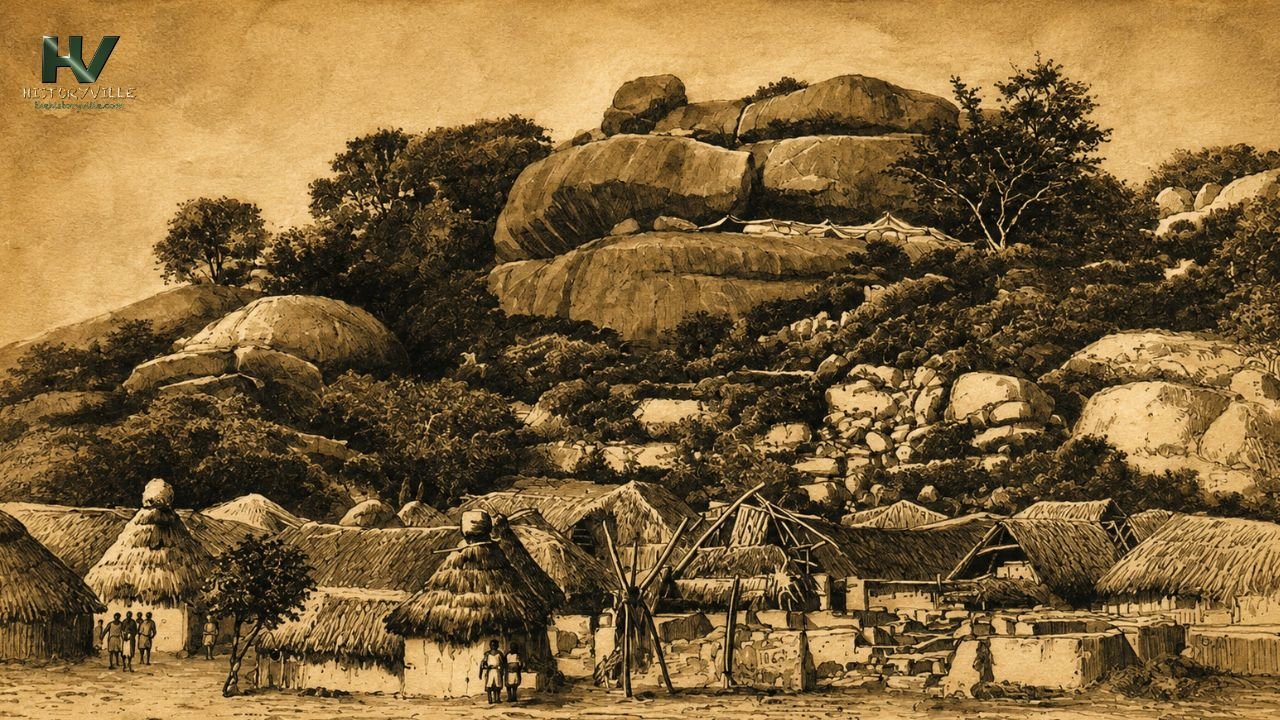

Abeokuta was a sovereign nation for 20 years and 11 months before the British amalgamated it with the rest of Nigeria in 1914. It had its own laws, police force, civil service, and was well organised. The Alake was the head of the defunct government known as the Egba United Government (February 1, 1893 – January 1, 1914).
Here are 22 interesting facts about Abeokuta, the present-day capital city of Ogun State.
Foundation of Abeokuta
1. Abeokuta was founded in 1830, with Sodeke as its leader. The initial name of the city was “Oko Adagba”, meaning “Adagba’s farmstead”; Adagba was an Itoko farmer. Sodeke, who led the Egba people to the area, met him there.
2. Abeokuta means ‘under the rock’, signifying the protection which the Olumo Rock offered the Egbas during attacks from intruders.
3. Since the discovery of Olumo Rock, no one has fallen from it. Not even once.
A City of many Firsts
4. The first church in Nigeria, St. Peter’s Anglican Church, is in Abeokuta.
5. The first Baptist Church in West Africa is in Abeokuta.
6. The first local government in Nigeria (Abeokuta South) is in Abeokuta.
7. The first secondary school in Nigeria was sited in Abeokuta before it was relocated to Lagos as CMS Grammar School for unknown reasons.

8. The first hospital in Nigeria, Sacred Heart Hospital, is in Abeokuta. It is still functioning.
9. The first bridge in Nigeria (Sokori Bridge in 1903), built by a Nigerian (Mr John Adenekan) without European supervision, is in Abeokuta.
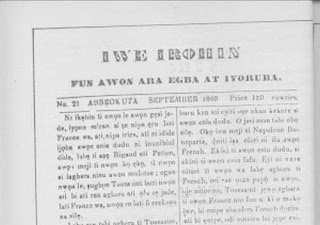
10. The first newspaper in Nigeria (Iwe Irohin) was founded in Abeokuta in 1859.
11. The first president of the Nigeria Union of Teachers, Reverend Israel Oludotun Ransome-Kuti, was from Abeokuta. Ransome-Kuti was also the first male to be admitted to Abeokuta Grammar School in July 1908.
12. The first indigenous Chief Justice of Nigeria (Justice Adetokunbo Ademola) was from Abeokuta. He was the son of the longest-reigning monarch (Alake) in Egbaland.
The Alake
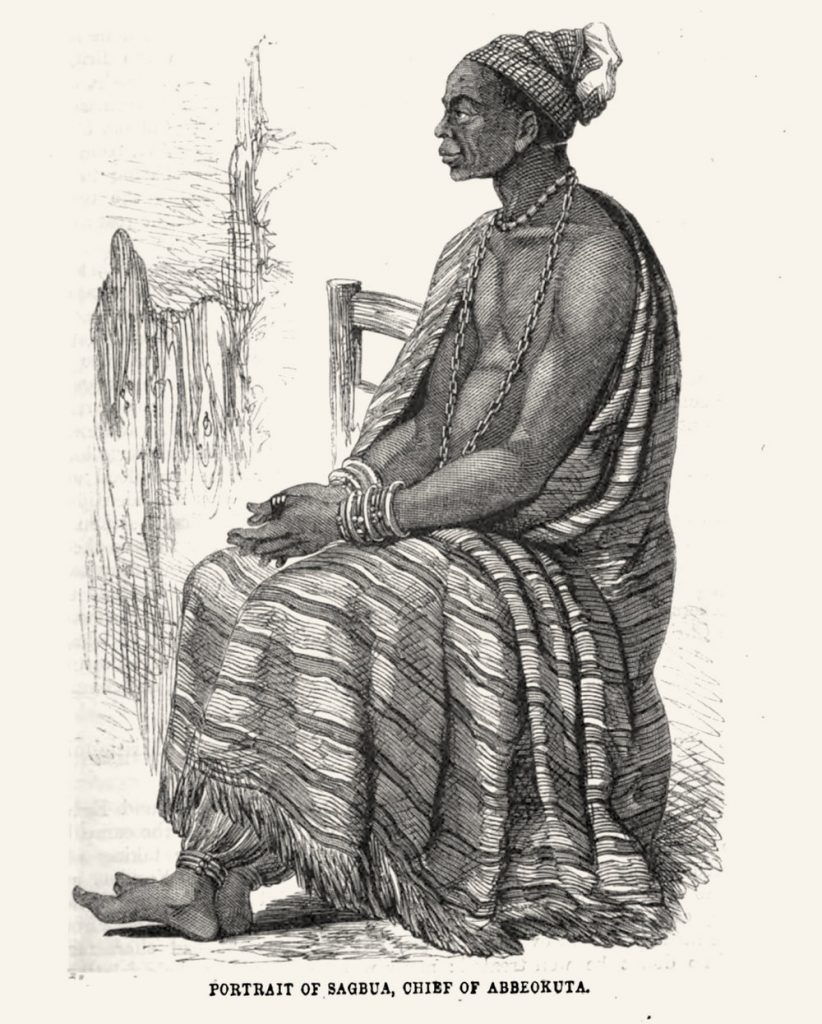
13. Okukenu Sagbua I was the first Alake of Egbaland. He was enthroned on August 8, 1854. His descendant, Okukenu Sagbua IV, is the current Alake of Egbaland.
14. Alake Gbadebo I was the first monarch in Nigeria to visit England on a state visit. He spent 20 days at sea: May 5-25, 1904.
15. The first time a White man arrived in Abeokuta on January 4, 1843, everybody (both young and old) left their homes and marketplaces to catch a glimpse of the white man, Henry Townsend.
16. During the American Civil War (1861-1865), which interrupted the United States’ cotton trade to Europe, Abeokuta exported cotton to England.
17. One of the most influential women in the history of Abeokuta and the first Iyalode of Egbaland was Madam Tinubu. Tinubu Square in Lagos and Ita Iyalode in Abeokuta are named after her. She died in 1887.
18. In 1893, the Egba United Government was recognised as an independent nation by Britain. It had its own laws. Many developments were made until 1914, when it was amalgamated to join the rest of Nigeria. The Sokori Bridge was constructed in 1903, and the Abeokuta Grammar School was founded on July 16, 1908.
Notable People from Abeokuta
19. Abeokuta has produced many outstanding persons among the Yoruba people:
Academics
- Reverend Israel Oludotun Ransome-Kuti
- Professor Saburi Biobaku
Accountancy
- Akintola Williams
- Folorunso Oke
- Bola Kuforiji-Olubi
Law
- Justice Adetokunbo Ademola – first indigenous Chief Justice of Nigeria
- Justice Olumuyiwa Jibowu
- George Sodehinde Sowemimo
- S. O. Lambo
- F.R.A. Williams
- Prince Bola Ajibola
Medicine
- Moses Majekodunmi
- Professor Thomas Lambo
- Koye Ransome-Kuti
Military
- Olusegun Obasanjo
- Oluwole Rotimi
- Enitan Ransome-Kuti
Civil Service
- Simeon Adebo
Literature
- Ajisafe
- J.F Odunjo
- Amos Tutuola
Music
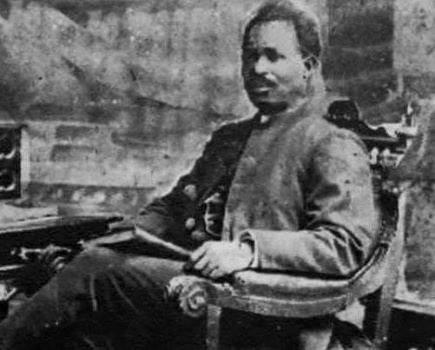
- Josiah J. Ransome-Kuti
- Fela Ransome-Kuti
- Femi Ransome-Kuti
- Fela Sowande
- Ebenezer Obey
- Sina Peters
- Adeola Akinsanya
- Prince Adekunle
- Ayinla Omowura
Journalism
- Olusegun Osoba
- Reuben Abati
Women Rights and Entrepreneurship
- Iyalode Tinubu
- Eniola Soyinka
- Funmilayo Ransome-Kuti
- Iyalode Bisi Tejuoso
Politics
- Olusegun Obasanjo
- Ernest Adegunle Shonekan
- M.K.O. Abiola
- Moses Majekodunmi
- Ayotunde Rosiji
- Olusegun Osoba
- Ibikunle Amosun…and others too countless to mention.
Additional Facts
20. In 1925, Josiah Jesse Ransome-Kuti (1855-1930), Fela’s grandfather, became the first Nigerian to release a record album after he recorded several Yoruba language hymns on a gramophone through Zonophone Records.
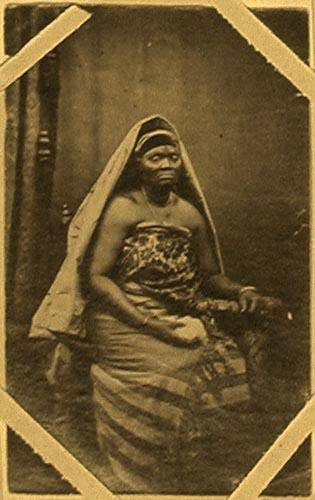
21. Abeokuta chiefs exchanged letters with the Queen of England as far back as 1868, which continued for nearly a century. English and Egba monarchs exchanged gifts during this period.
22. As of May 28, 2023, the only South Westerners ever to rule Nigeria are from Abeokuta (Olusegun Obasanjo and Ernest Shonekan).
Are there any other interesting facts about Abeokuta that are not captured in this article? Don’t hesitate to share your comments below.
Want to understand what really happened during Nigeria’s first military coup? Read A Carnage Before Dawn. It offers a carefully researched, vividly told account of January 15, 1966, through a storytelling style that will keep you glued to the book’s pages.
You can get the e-book here and the paperback here.
Love history? Don’t stop here.
📚 Get deeper insights by purchasing our latest history books.
📢 Join our WhatsApp Channel for exclusive updates and historical facts.
📩 Subscribe to our Newsletter and receive fascinating stories from history (World and African history) directly in your inbox.
🎥 Subscribe to our YouTube channel for engaging documentaries and short history videos.
Stay connected with us on social media for daily history content:
🔵Follow us on Facebook.
📸 Follow us on Instagram.
🐦Follow us on Twitter.
💼 Follow us on LinkedIn.
🎵 Follow us on TikTok.
❤️ Support our work by donating to HistoryVille and help us continue preserving and sharing important historical stories. 📢Advertise with HistoryVille to reach a growing audience passionate about history and culture.