
Ironsi's proclamation of Decree 34 on May 24, 1966, marked the beginning of the end ...

On January 1, 1973, the Nigerian Naira replaced the Nigerian pound with an exchange rate ...

Afonja was the sixth Aare Ona Kakanfo of Yoruba land after Oku of Jabata. His ...

Before Emeka Ojukwu declared the Republic of Biafra in May 1967, Isaac Adaka Boro had ...

At around 3:30 p.m. on August 26, 1993, Ernest Shonekan was sworn in as Nigeria’s ...
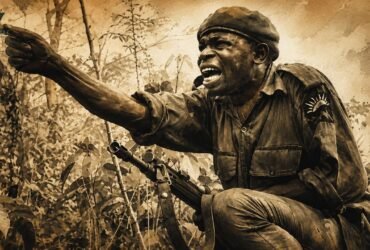
The Nigerian Civil War, also known as the Nigeria-Biafra War, was a war fought to ...
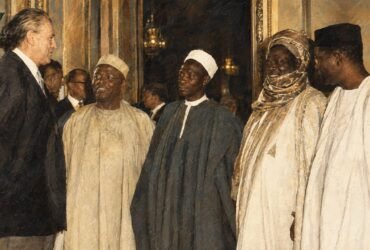
Nnamdi Azikiwe, Obafemi Awolowo, Ahmadu Bello, and Abubakar Tafawa Balewa have been commonly mentioned as ...
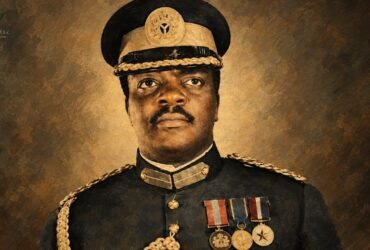
Mobolaji Johnson was only 31 years old when he was appointed as the first military ...
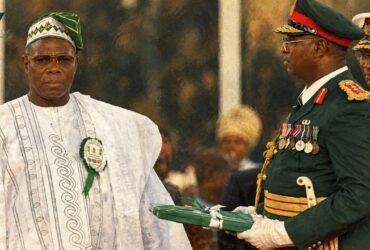
In June 1999, President Olusegun Obasanjo made a very important decision that would save Nigeria’s ...
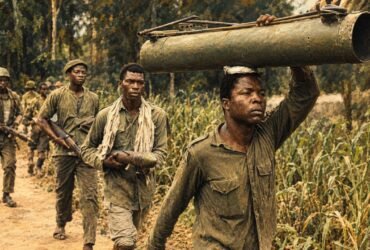
The Ogbunigwe was deployed in combat during the Nigerian Civil War, and at the peak ...
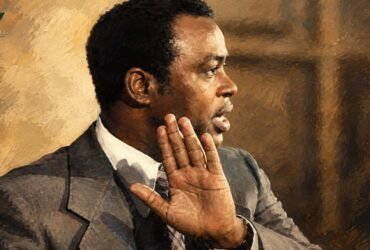
Montréal was the first Canadian city to hold an Olympic Games in 1976. The 21st ...
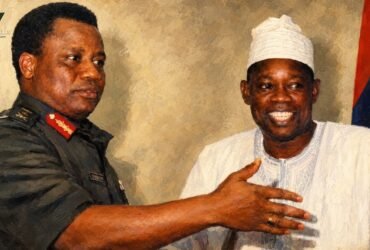
The June 12, 1993, presidential election represented a break with traditions of ethnic, religious, and ...
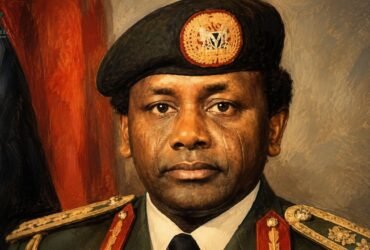
After Abacha's death, Lieutenant-General Abdulsalami Abubakar, Nigeria's Chief of Defence Staff, was sworn in as ...
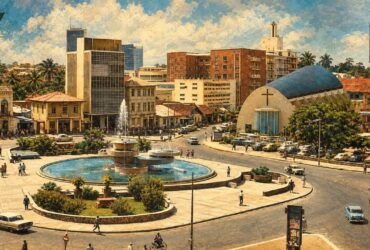
Lagos was the capital city of Nigeria for 77 years until the seat of government ...
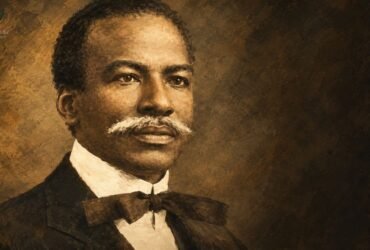
On December 5, 1893, Herbert Macaulay became the first Nigerian to qualify as a civil ...
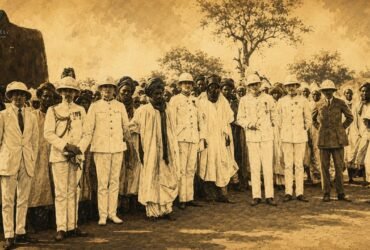
Indirect Rule was a system of governance that was predominantly used by Britain to govern ...
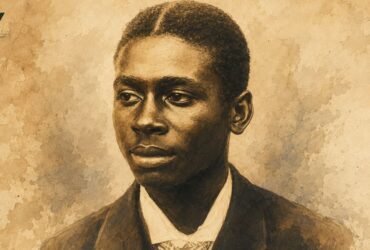
Jonathan Adagogo Green was Nigeria’s first known professional photographer and one of the earliest documented ...
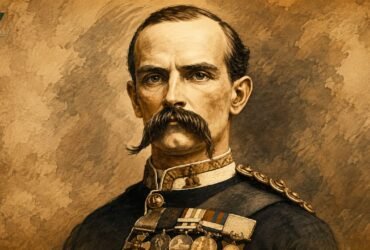
In 1912, Lord Frederick Lugard was appointed Governor-General of Northern and Southern Nigeria with the ...
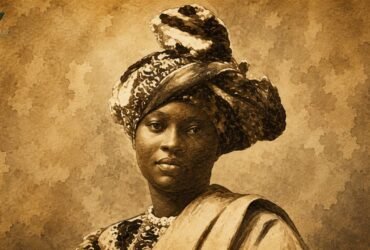
Ore Green worked in London, before returning in 1917 to Lagos where she first worked ...
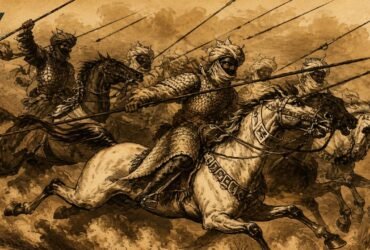
Kanem-Bornu, now in present-day Northern Nigeria, was the only real opposition to Usman dan Fodio's ...